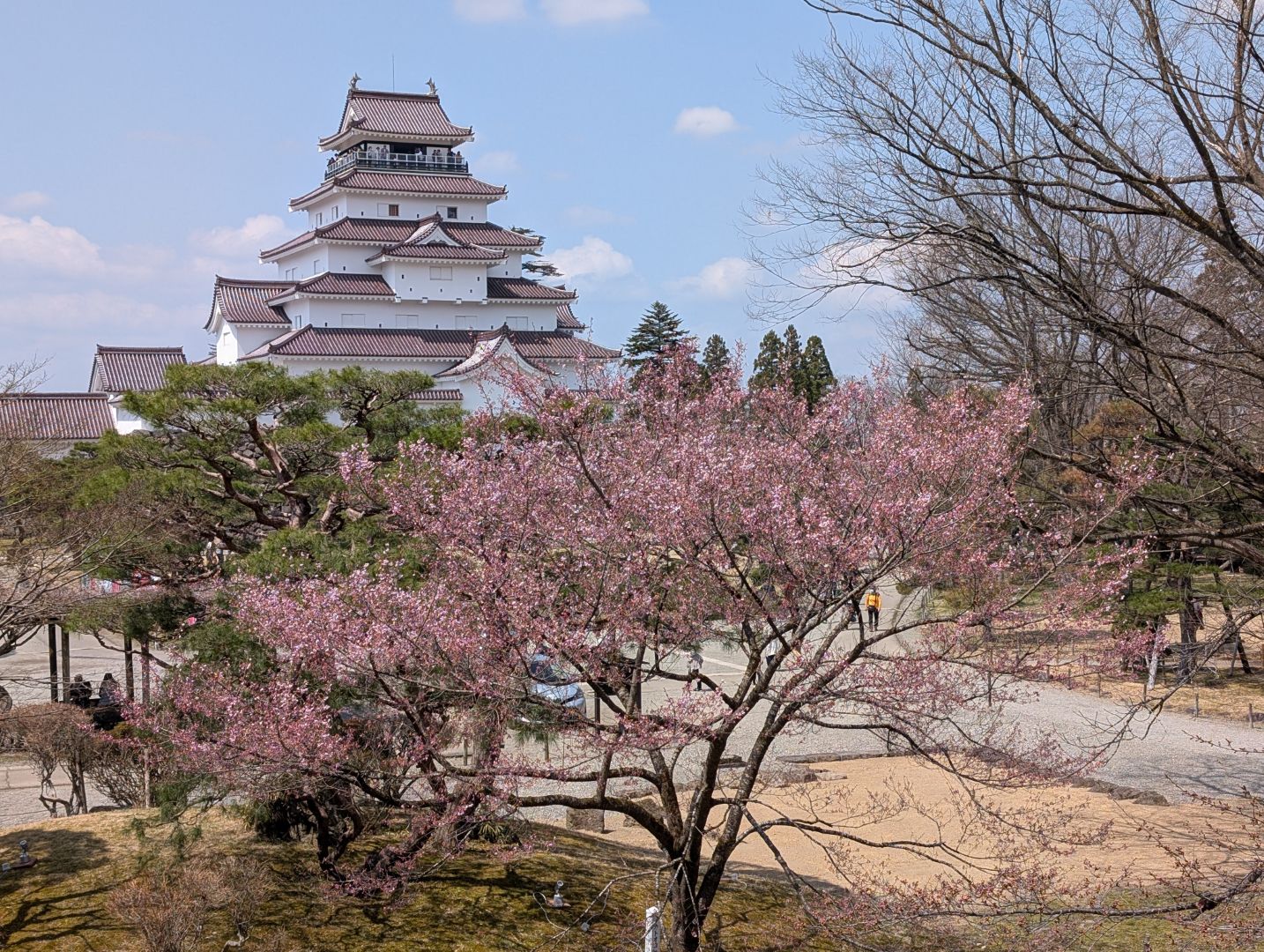
I love taking aimless walks and I’m always eager to see, hear, and experience new things, so I try to visit a new city once a month. This time, I used my JRE BANK JR East 40% discount Shinkansen ticket for a day trip a bit further out. While looking at the map around Fukushima, the Miharu Takizakura, one of Japan’s Three Great Cherry Trees, caught my eye, located quite close to Koriyama. It didn’t seem to be in full bloom yet, but the timing felt just right, so I decided to head out right away.
Miharu Takizakura is pretty close to Koriyama by car, so I searched for other sights and good food while on the Shinkansen. Inawashiro Lake and Aizu-Wakamatsu didn’t seem too far away, so I decided to visit those first and then go see the cherry blossoms in the afternoon.
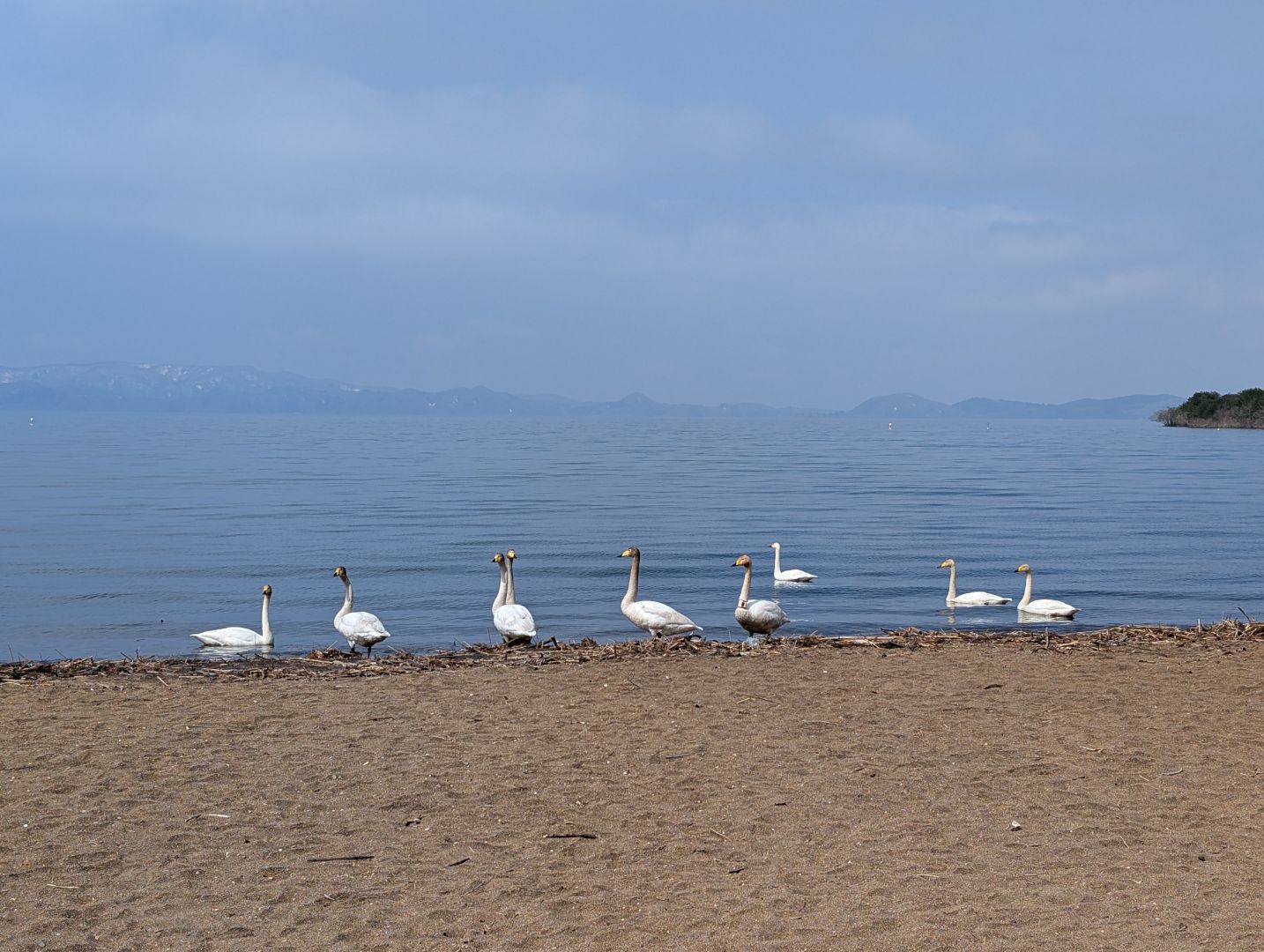
It was a little less than an hour’s drive from Koriyama to Shidahama on Inawashiro Lake. There were swans by the lakeside, but not many people, creating a relaxed atmosphere. I heard that many swans gather here from winter to spring, but it seemed most of them had already flown north. There’s a JR station nearby, so I imagine it’ll be bustling with swimmers once it gets a bit warmer.
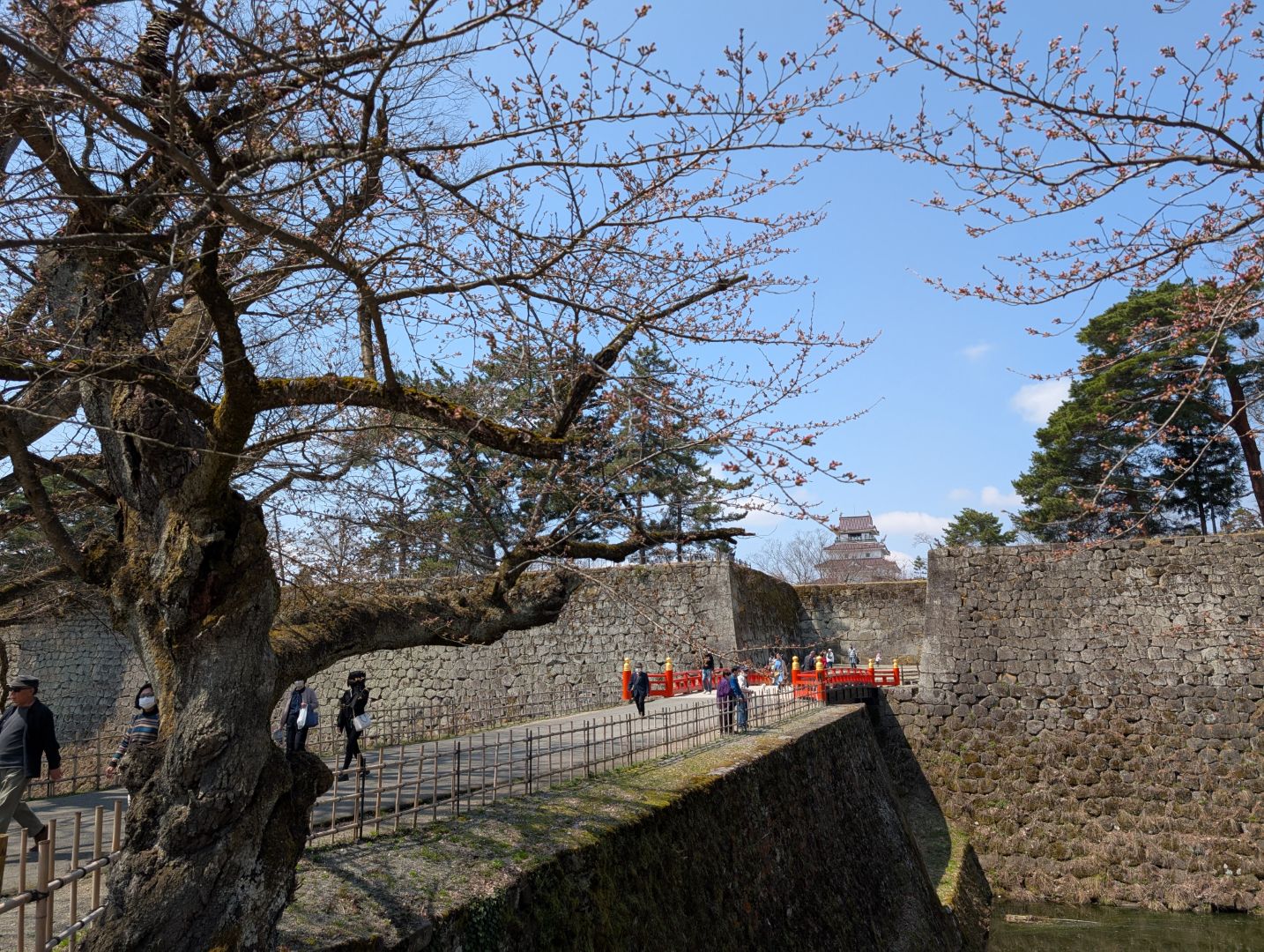
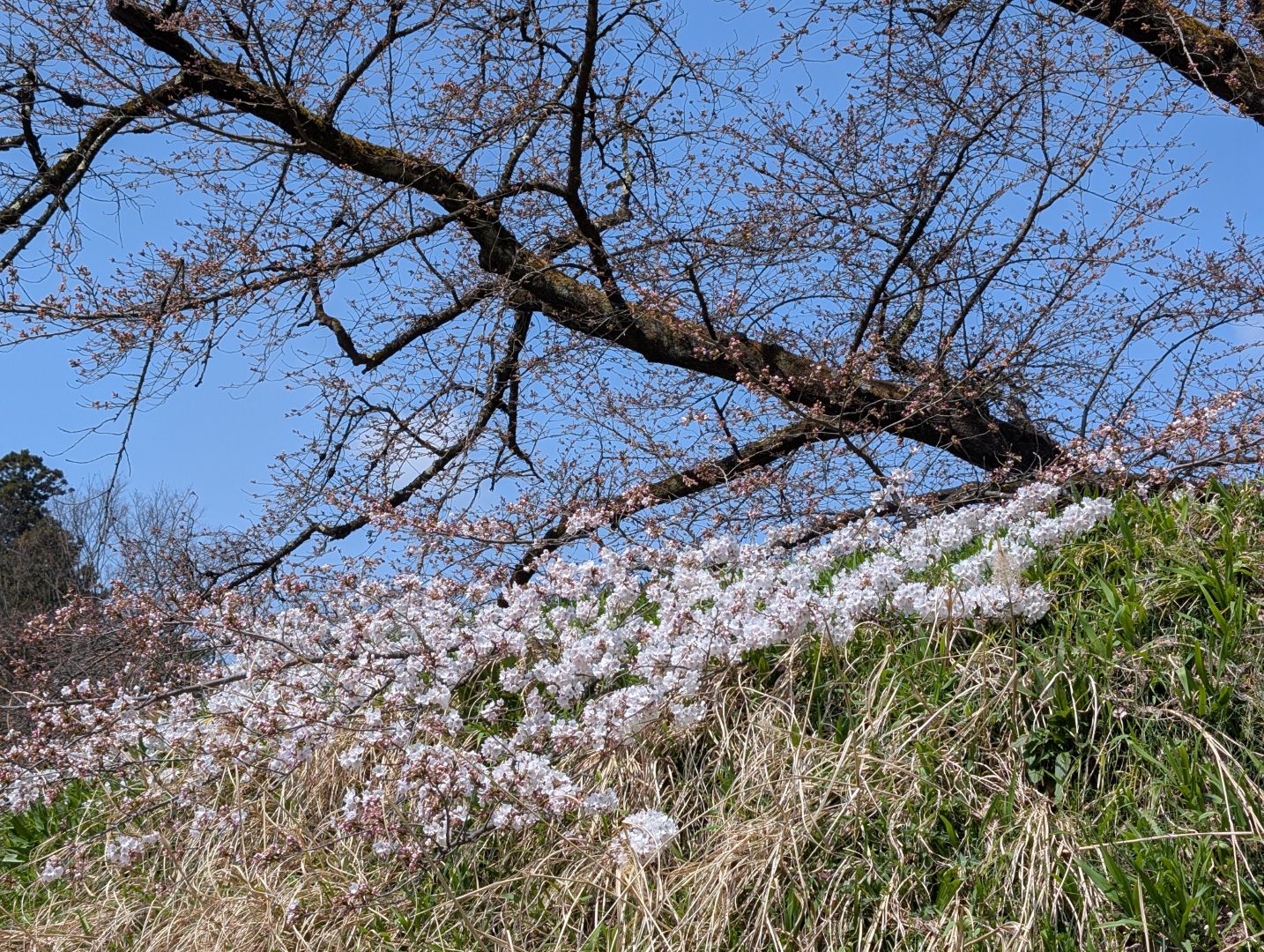
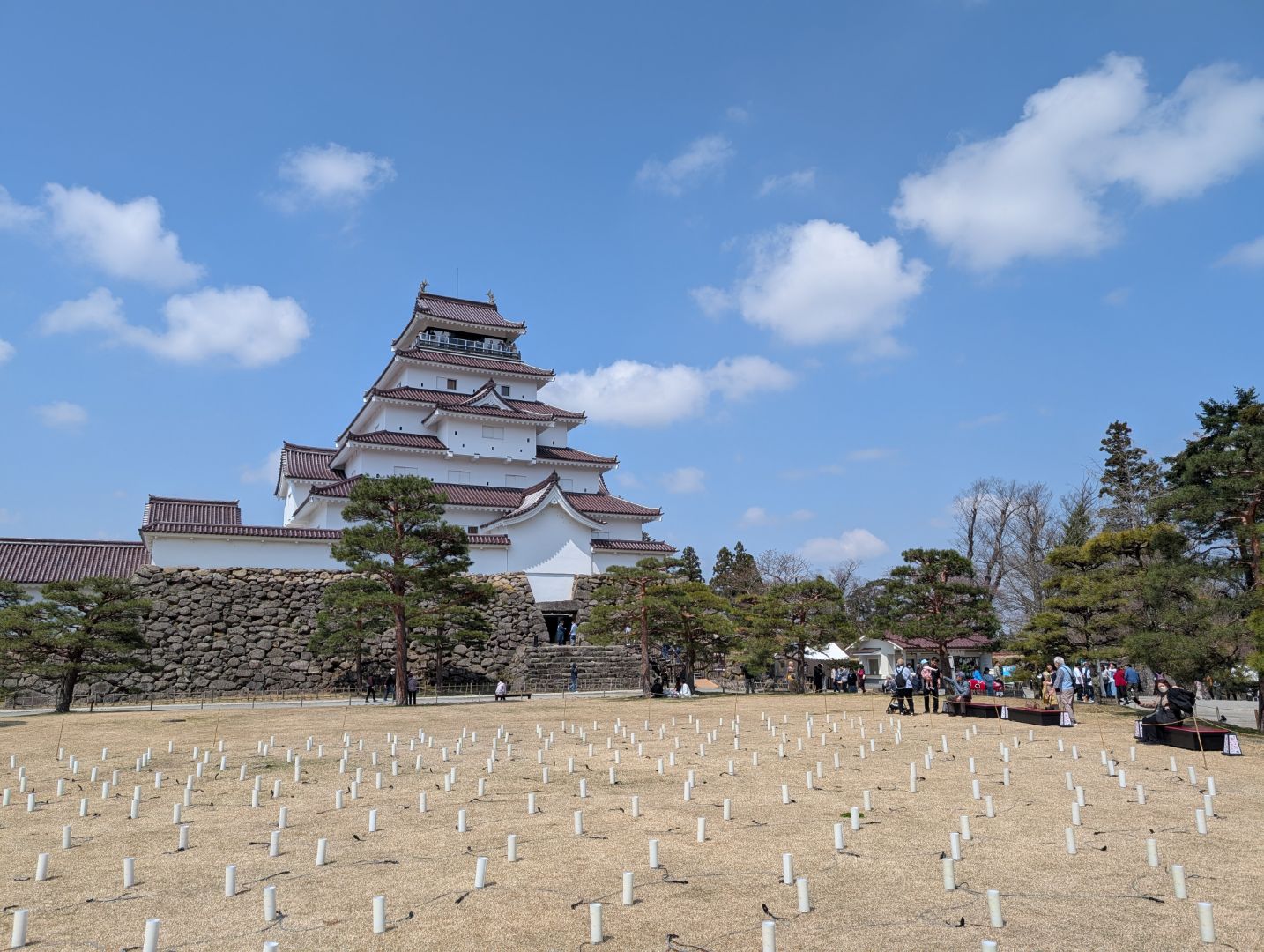
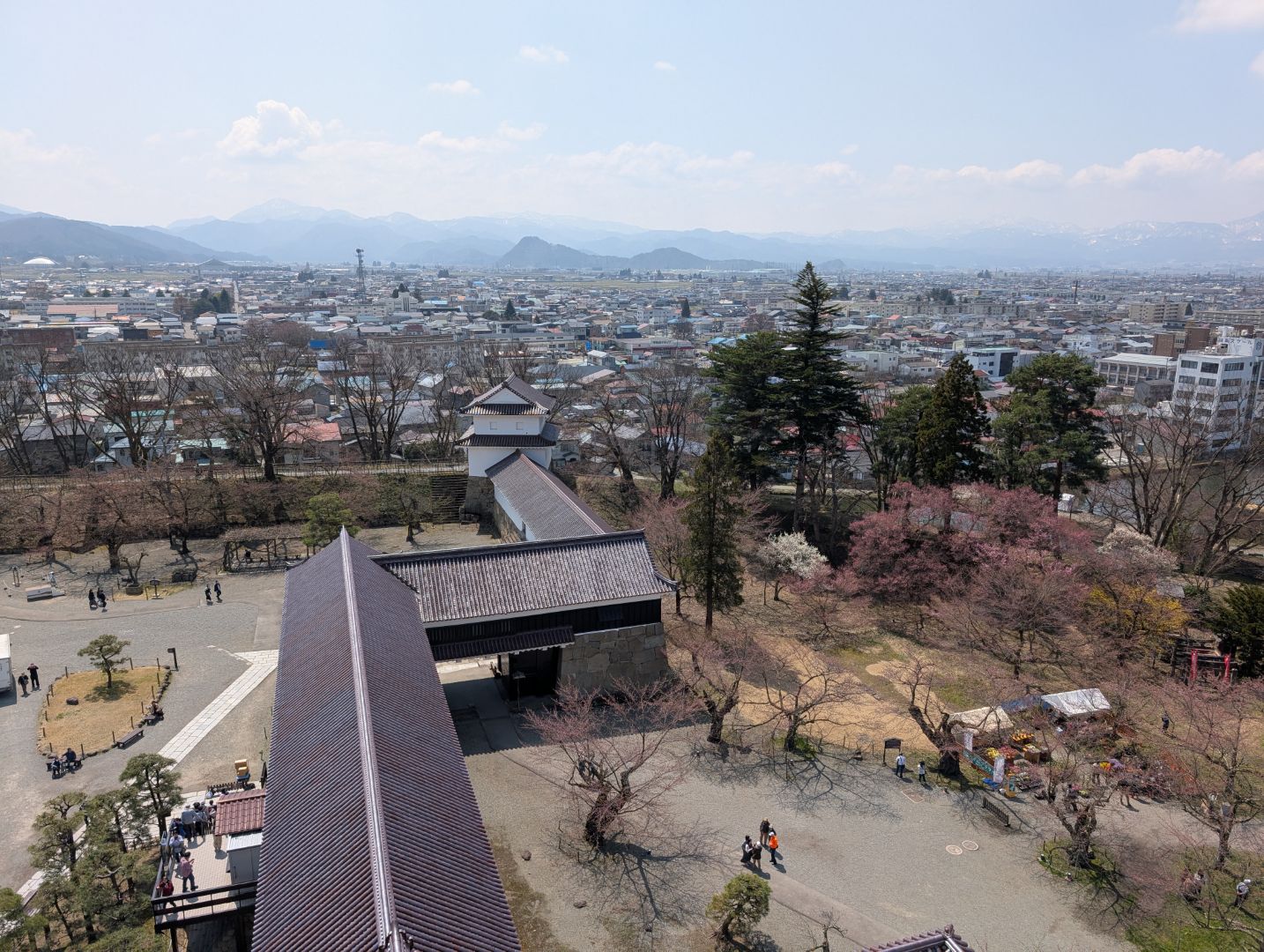
Since I had seen information that Miharu Takizakura was blooming quite well, I expected the cherry blossoms at Tsurugajo Castle to be beautiful too. Unfortunately, most of them were still just buds, except for a few. Still, the castle with its red tiles looked absolutely splendid against the lovely blue sky that day. I’ve seen many castles, but I don’t recall seeing one with red tiles, so it was very striking. The inside of the castle was like a museum, with information about the successive lords displayed in an easy-to-understand way, which I found quite interesting.
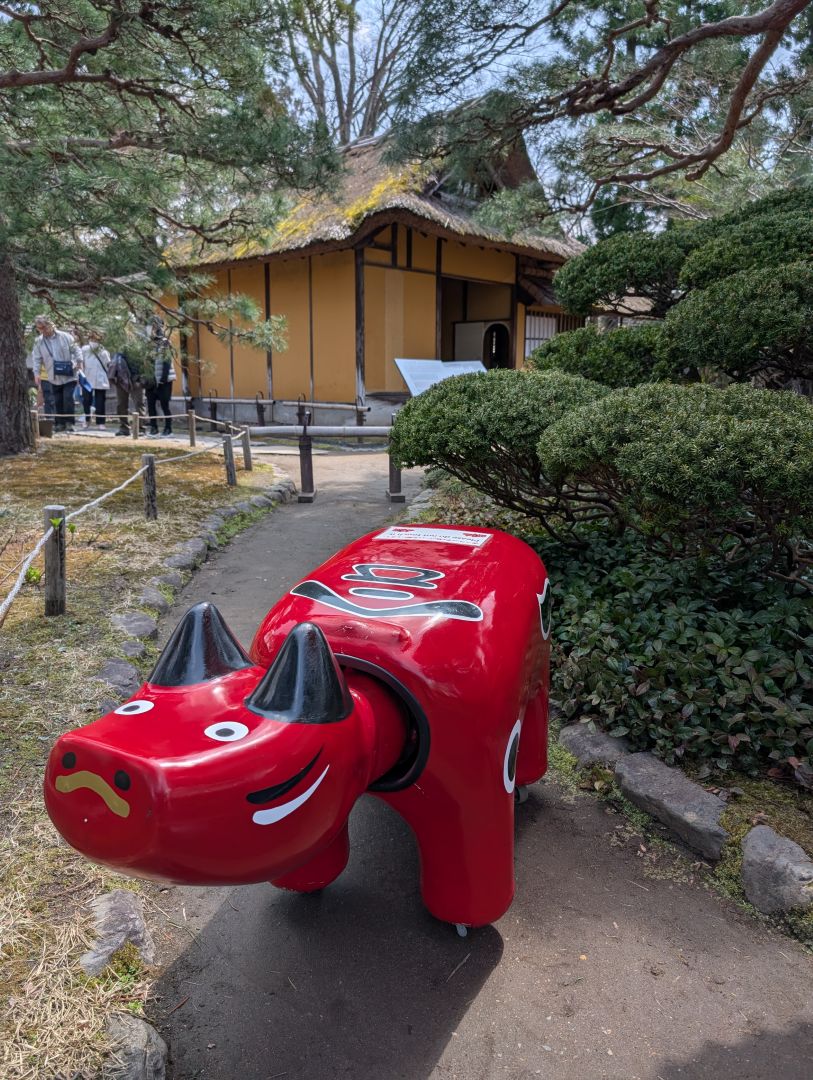
The last photo, featuring a cute Akabeko, was taken at Rinkaku Teahouse. This place has a fascinating history: when Sen no Rikyu incurred Hideyoshi’s wrath and was ordered to commit suicide, Gamo Ujisato, the lord at the time and also Rikyu’s disciple, worried about the end of the Sen family’s tea ceremony tradition. He hid Rikyu’s son, Shoan, here. It’s said that Ujisato, along with Tokugawa Ieyasu, later petitioned Hideyoshi for the restoration of the Sen family, which ultimately led to the revival of the tea ceremony as we know it today.
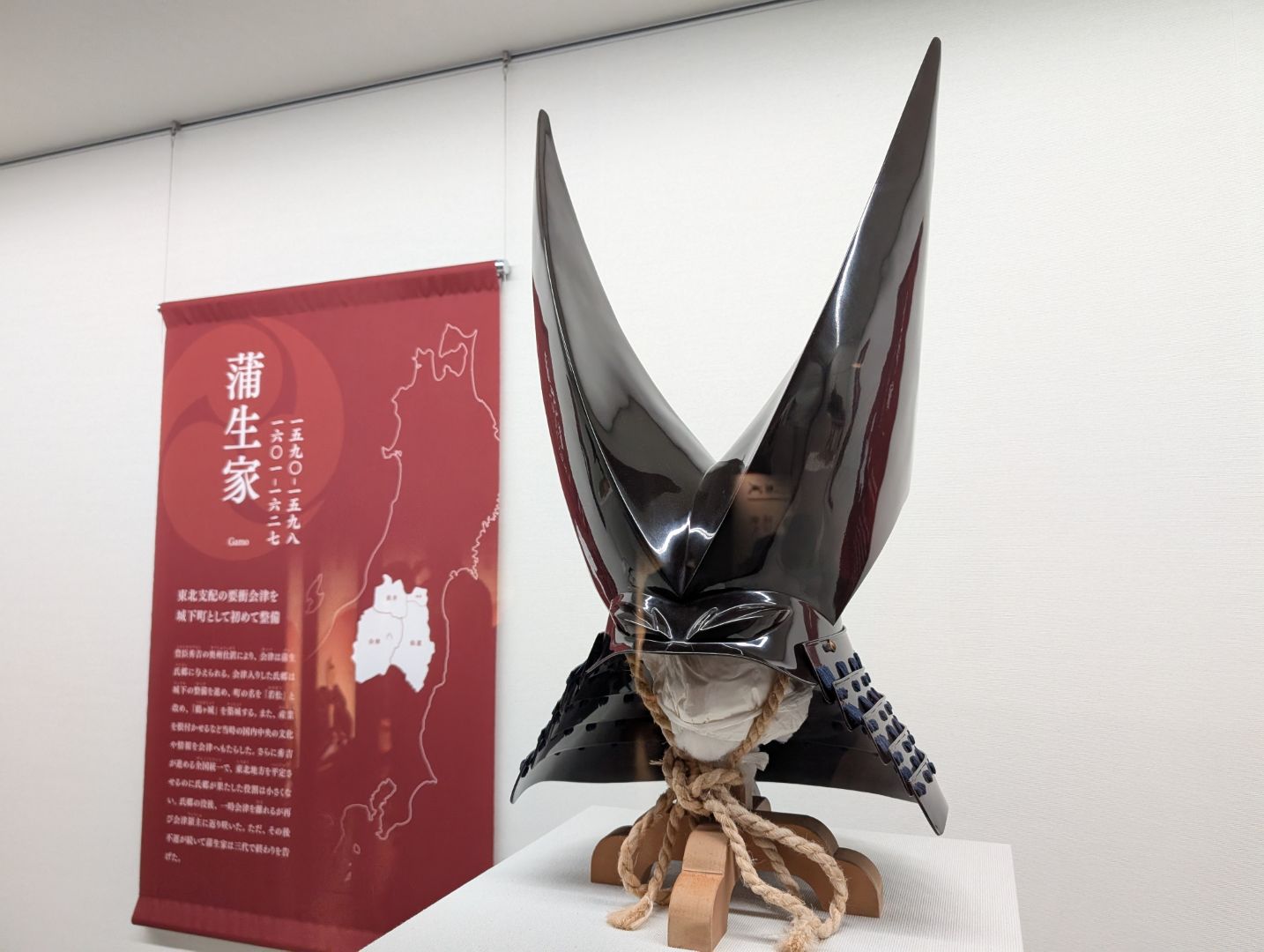
The successive lords of Tsurugajo Castle included renowned families such as the Ashina, Date, Gamo, Uesugi, Kato, and Hoshina-Matsudaira clans. Replicas of their helmets were on display, and they all looked incredibly cool!

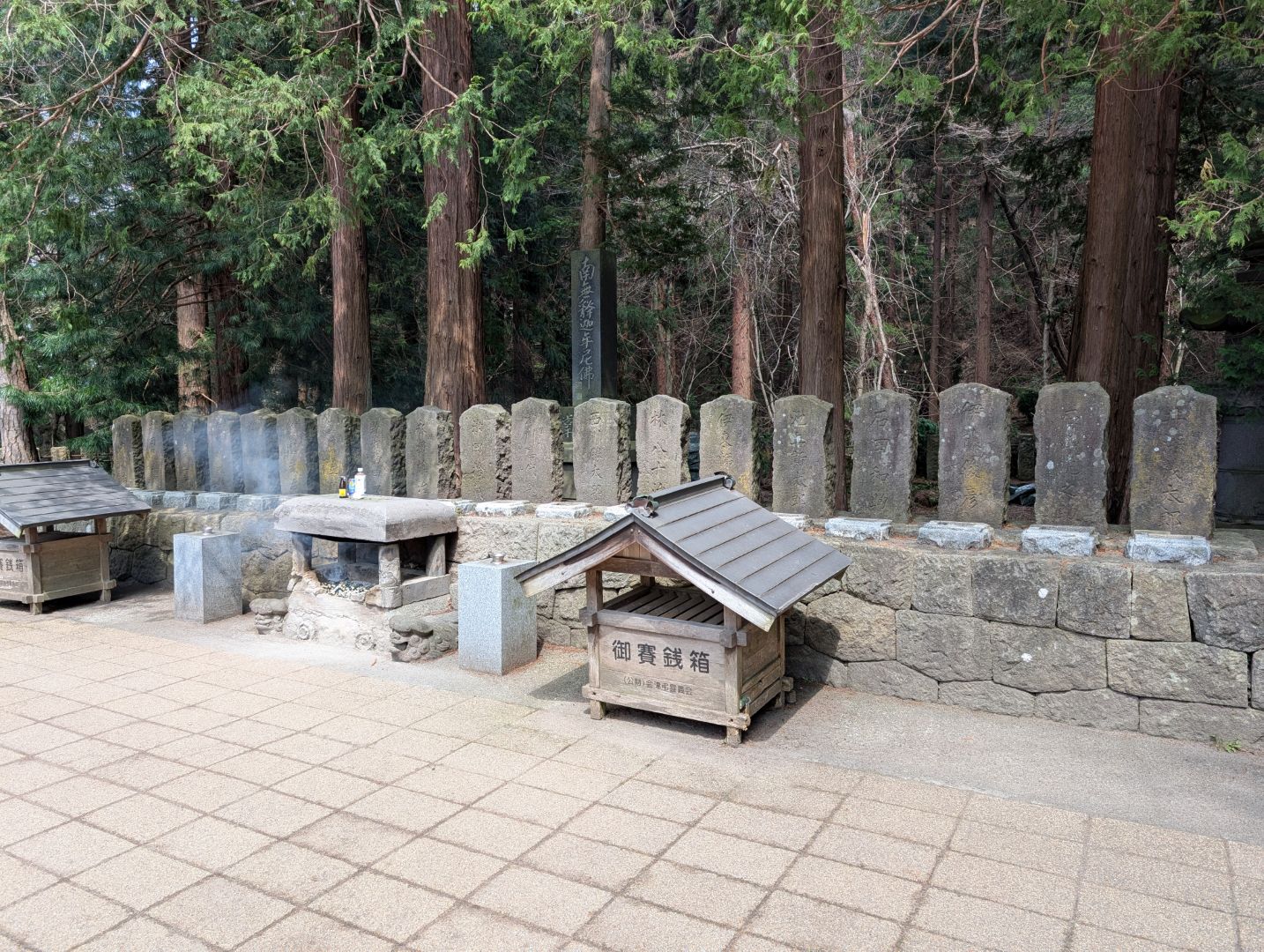
Then, I also visited Iimoriyama Hill, which was relatively close by. This is where the Byakkotai (White Tiger Corps) committed suicide during the Boshin War, mistakenly believing Tsurugajo Castle had fallen. The statue of the Byakkotai members faces the direction of Tsurugajo Castle, but it was further away than I expected, making it difficult to discern. It made sense that they would have thought the castle had fallen, seeing the city burning below.
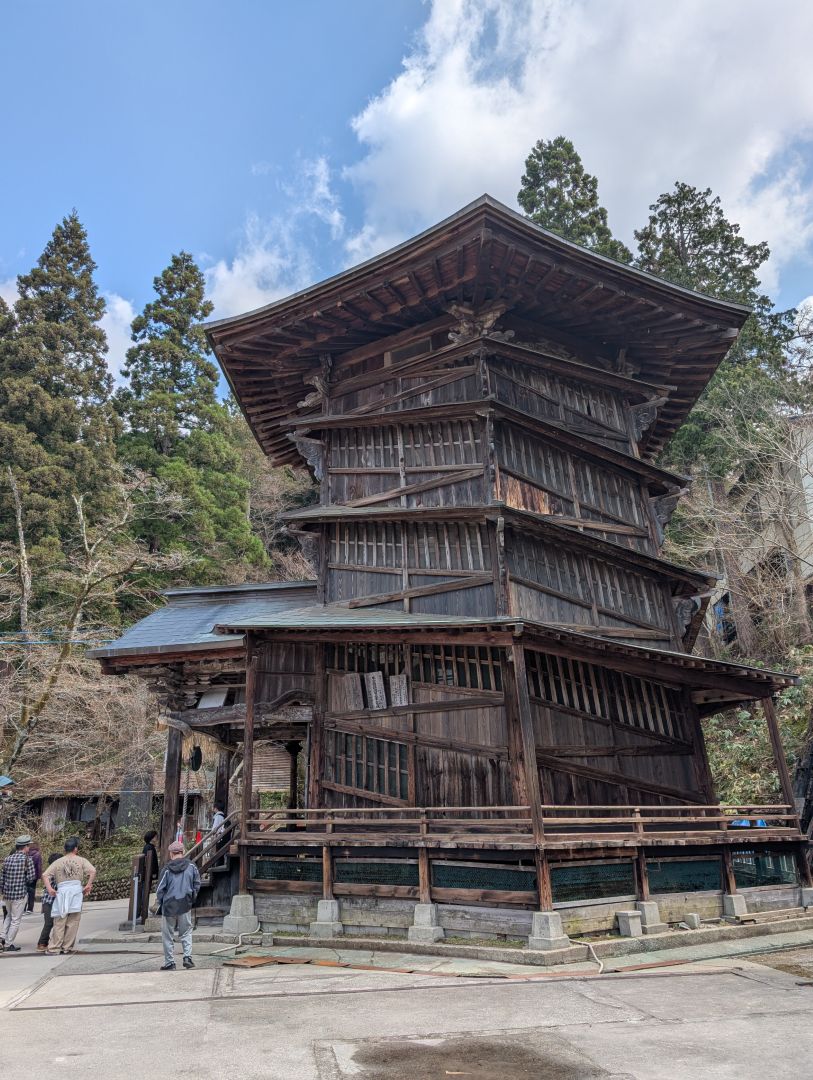
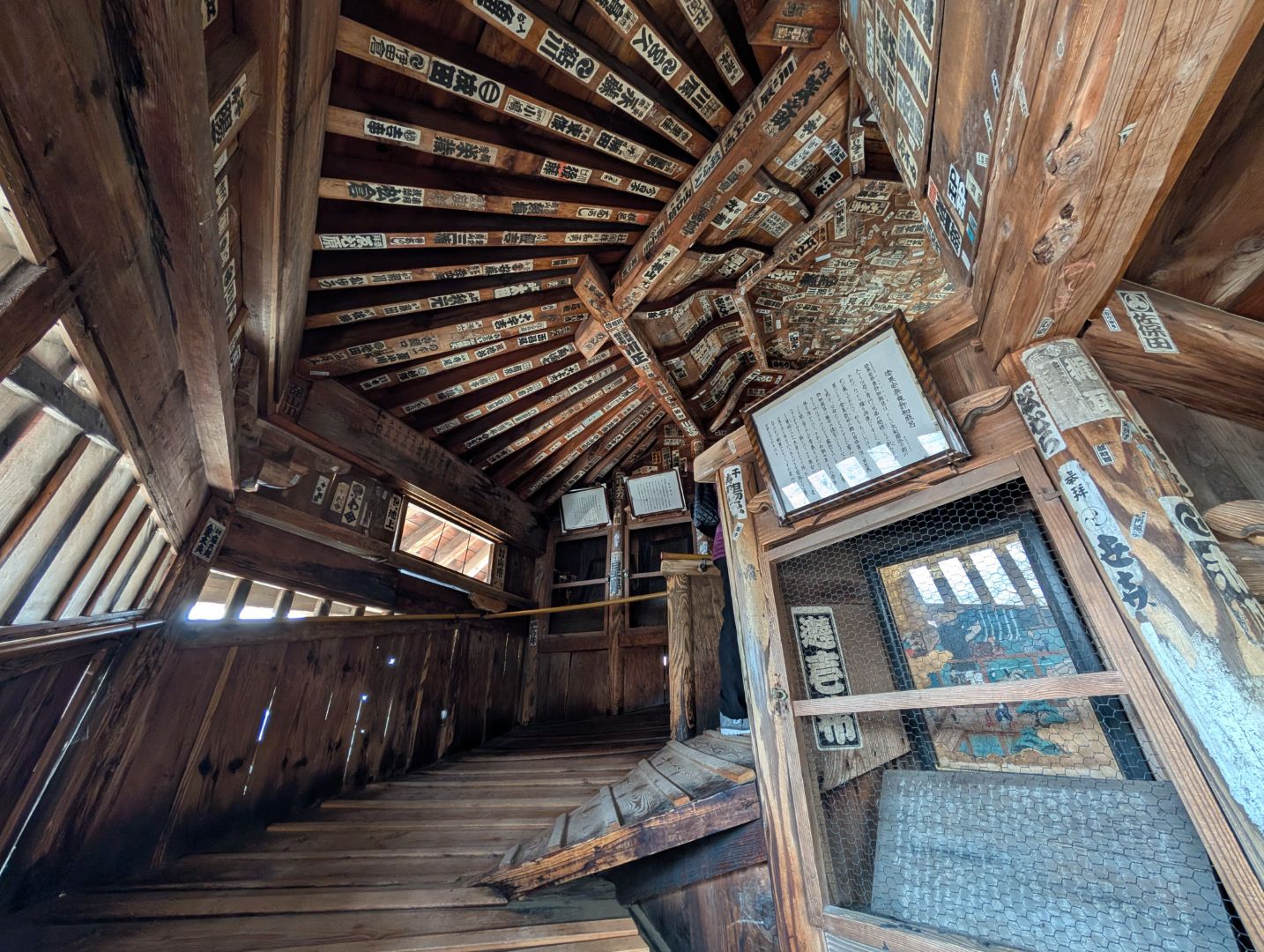
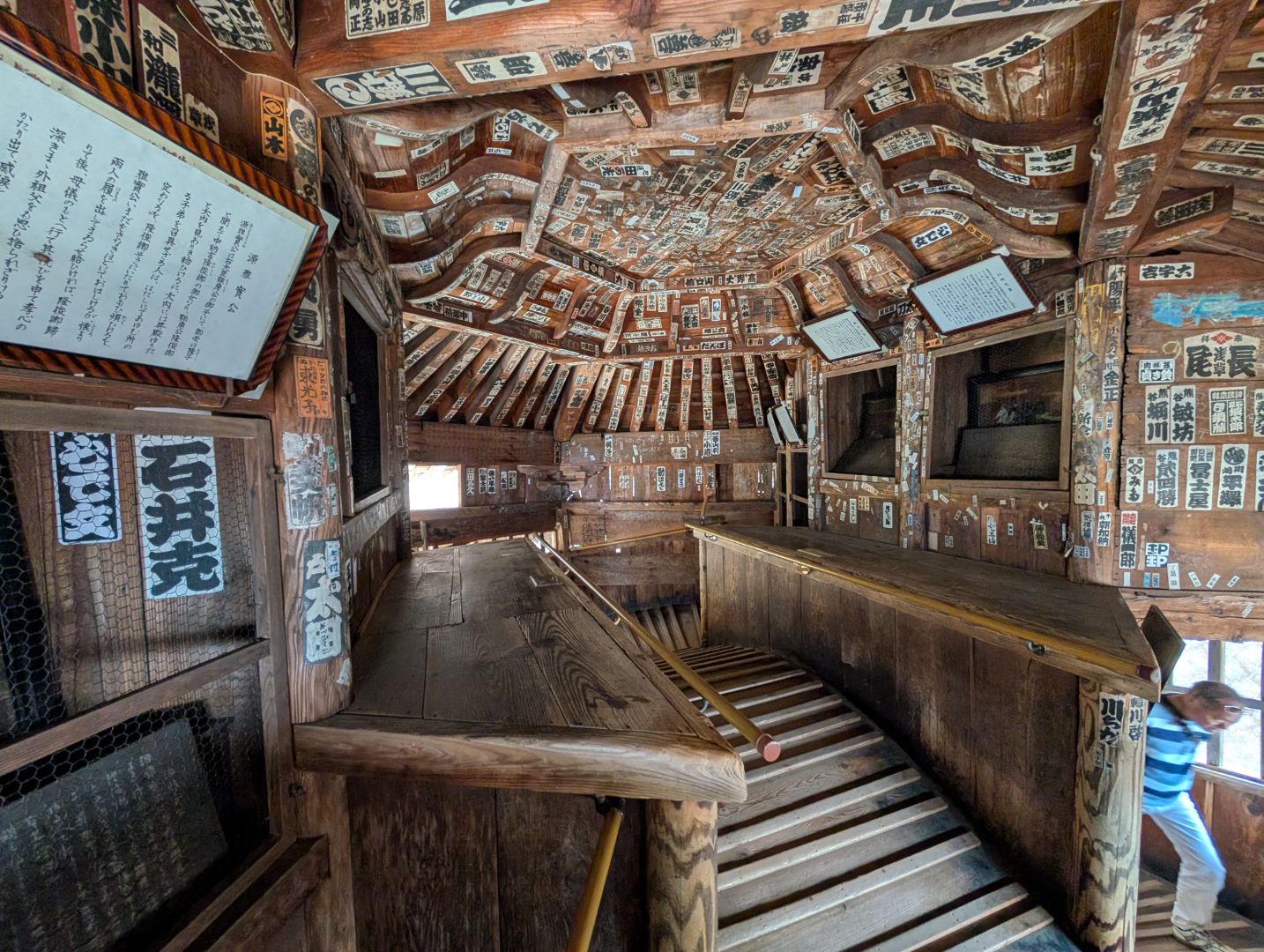
I had known about Sazaedo Temple itself and always wanted to visit, but I had no idea it was located on Iimoriyama Hill, so that was a pleasant surprise! It’s a hexagonal, three-story wooden building, and what’s most unique is its spiral ramp structure, designed so that people ascending and descending never cross paths. Inside, thirty-three Kannon statues from the Saikoku Kannon pilgrimage are enshrined, meaning a visit to Sazaedo is equivalent to completing the full pilgrimage. Personally, I was far more captivated by the unique architecture itself than by the pilgrimage aspect, and I really enjoyed it.
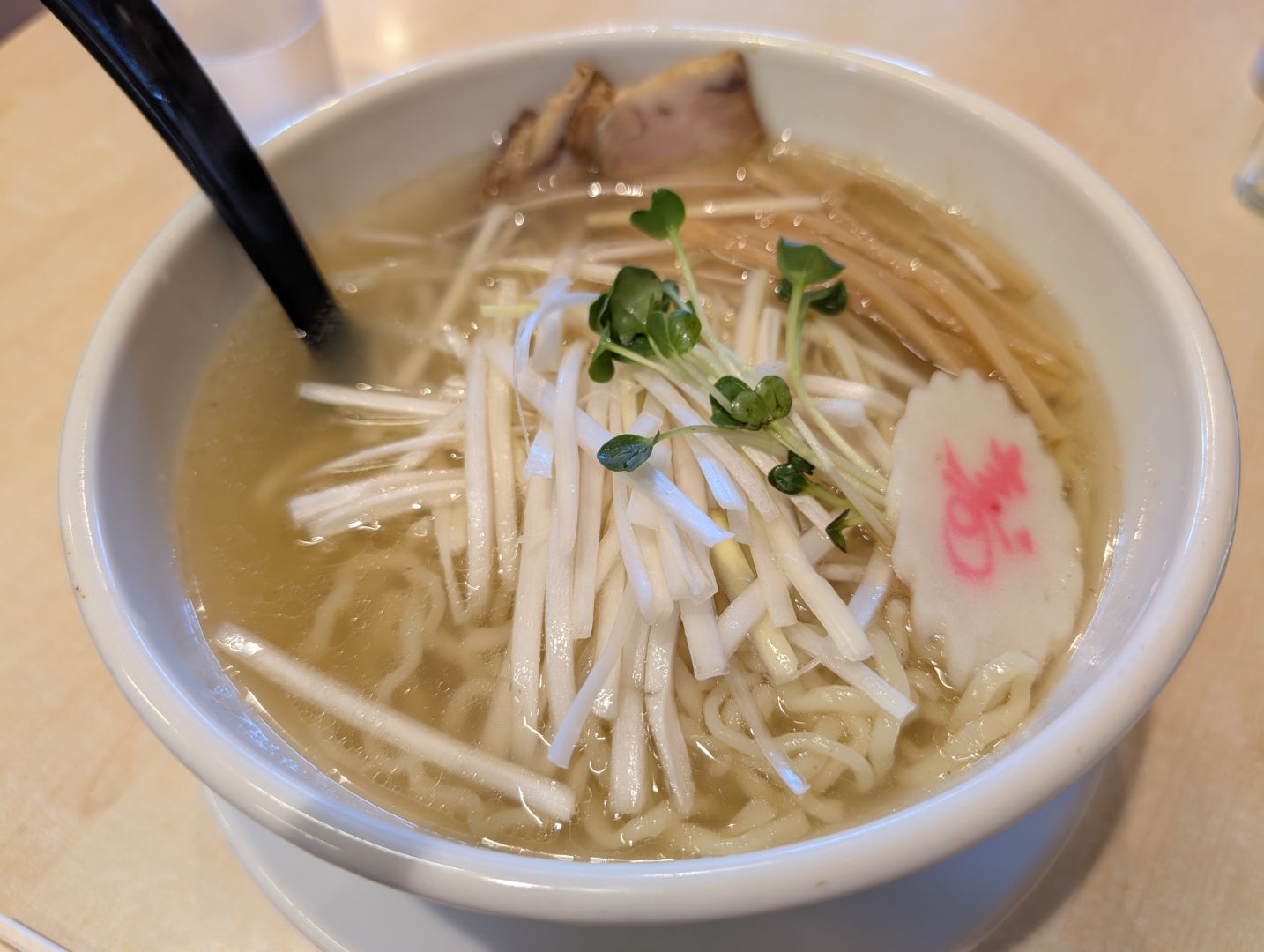
When you think of ramen in Aizu-Wakamatsu, Kitakata Ramen usually comes to mind. But there’s also an interesting ramen called “Aizu Yamajio Ramen,” made with “Aizu Yamajio” salt, which is produced by boiling hot spring water from Oshio Ura-Bandai Onsen. I gave it a try! The soup wasn’t too salty; it was mellow and light, and it coated the curly noodles perfectly – absolutely delicious.
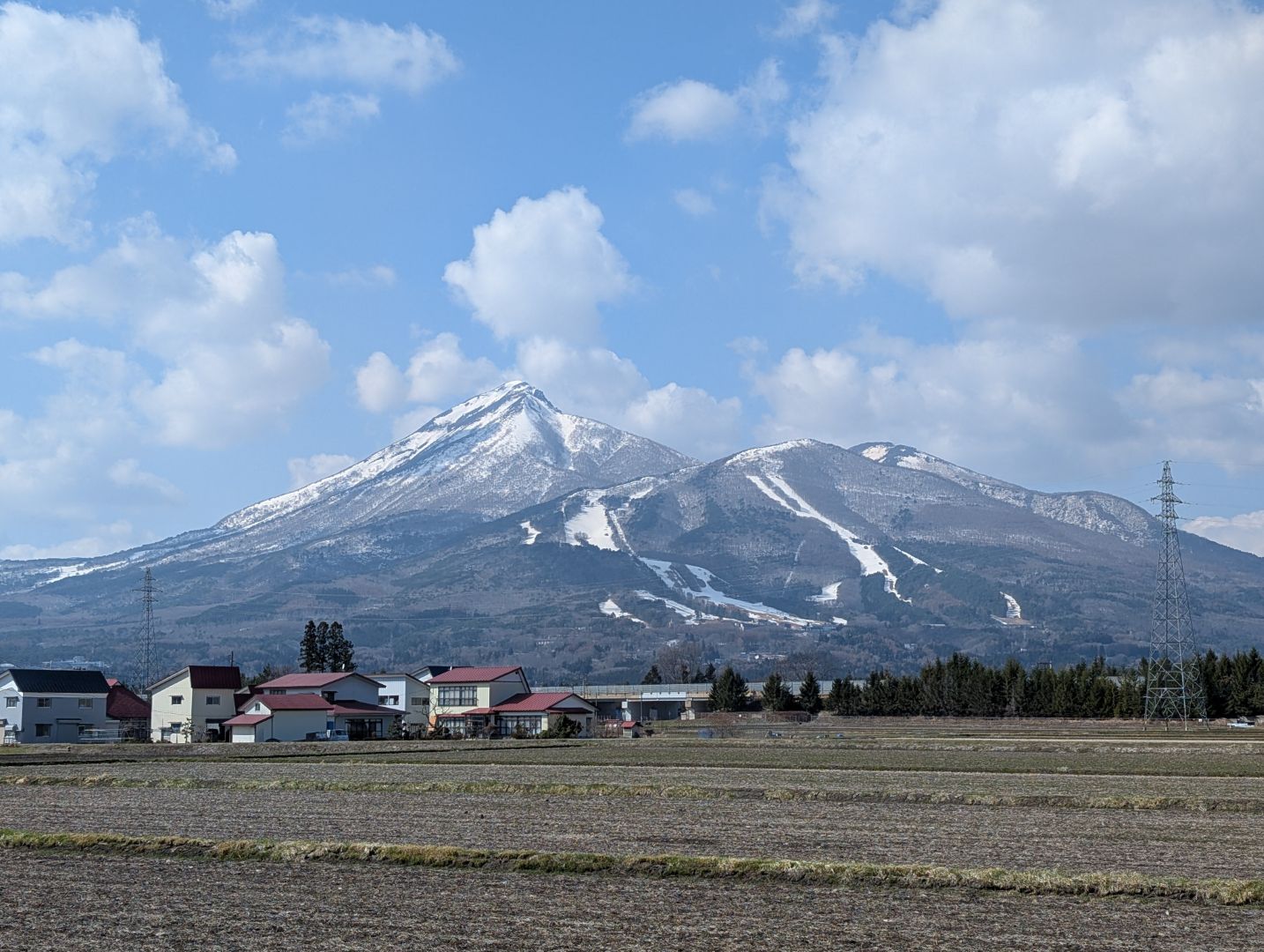
Mount Bandai in Aizu, which was a bit cloudy and hidden in the morning, became beautifully clear as I leisurely left Aizu-Wakamatsu and headed back towards Koriyama. It’s one of Japan’s 100 Famous Mountains, and I’m hoping to climb it someday!
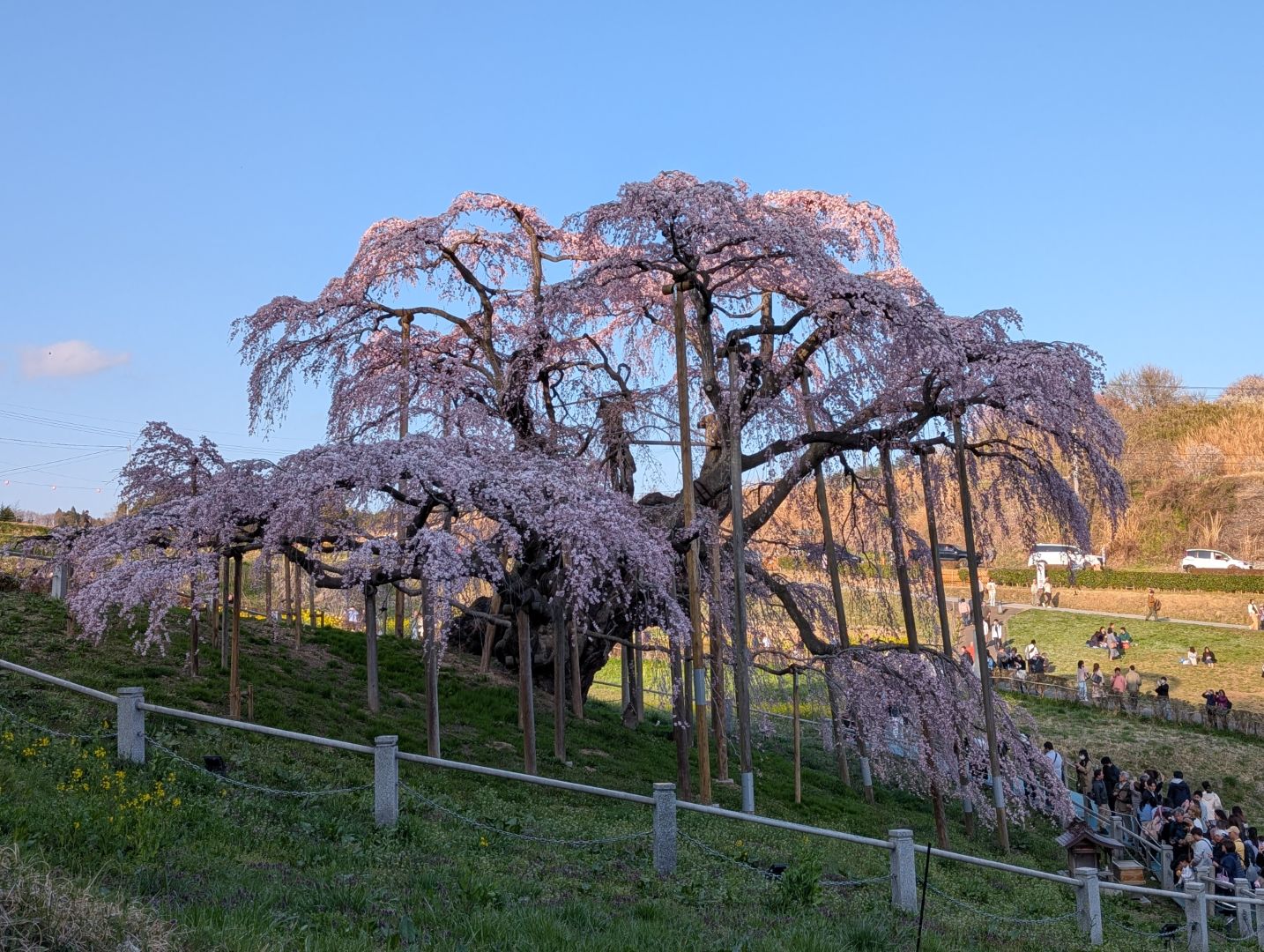
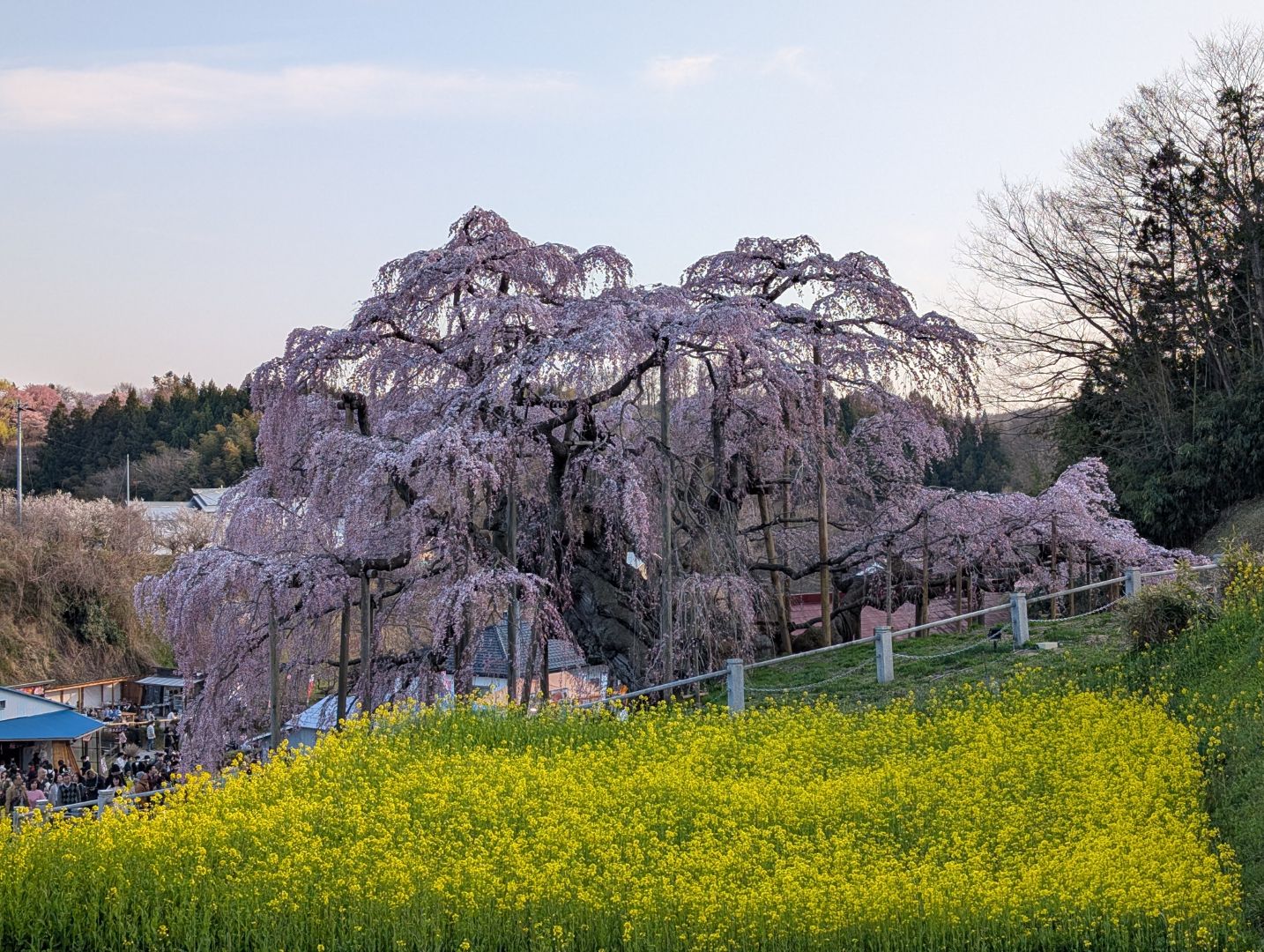

Miharu Takizakura was the reason I decided to visit Koriyama this time. Its branches stretch out in all directions, adorned with pale pink blossoms that gracefully droop like a waterfall – truly befitting its name, “Waterfall Cherry Tree.” The rapeseed flowers planted around it created a beautiful contrast of yellow, pink, green of the grass, and blue of the sky. I could have gazed at it forever.
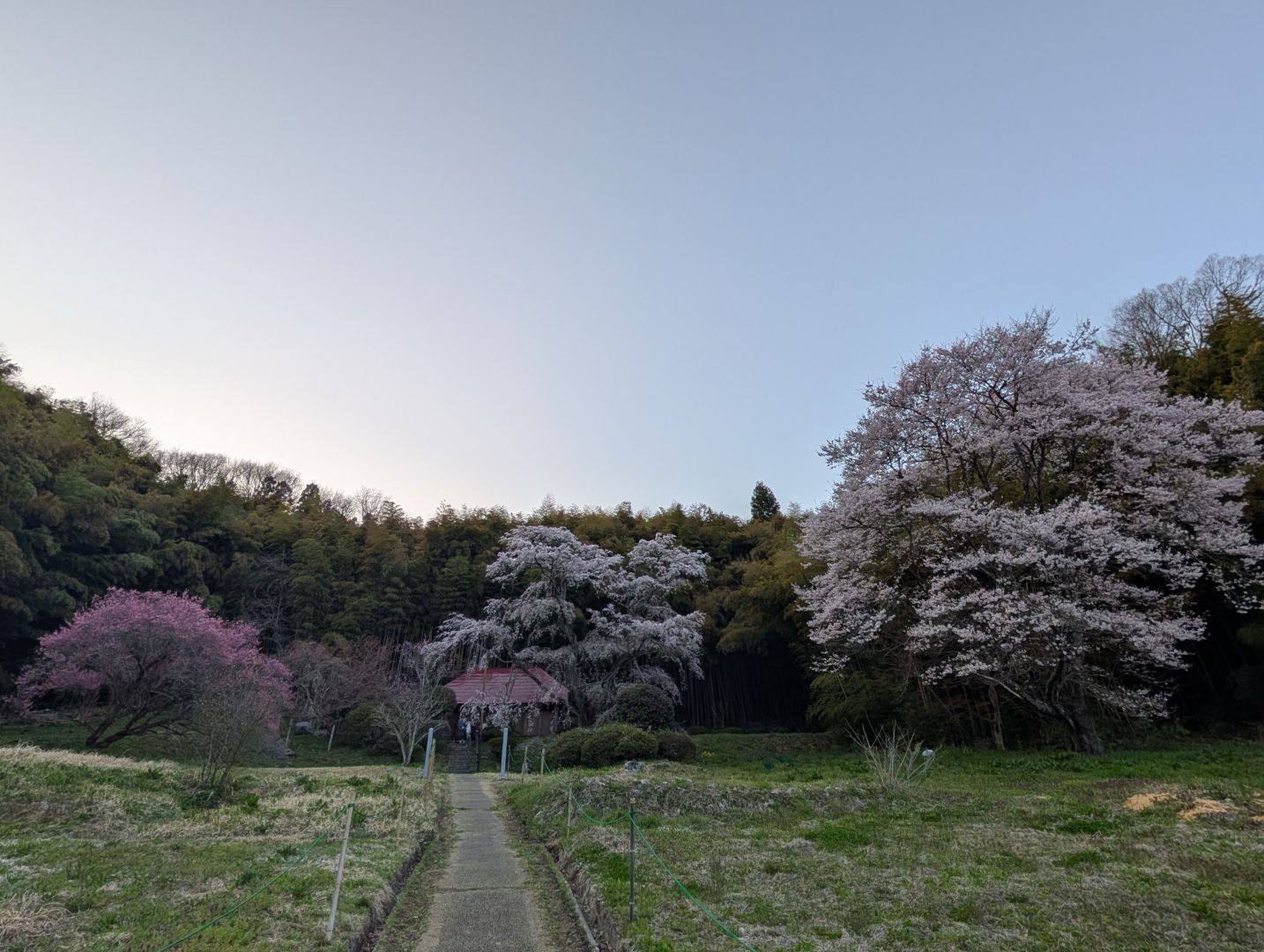
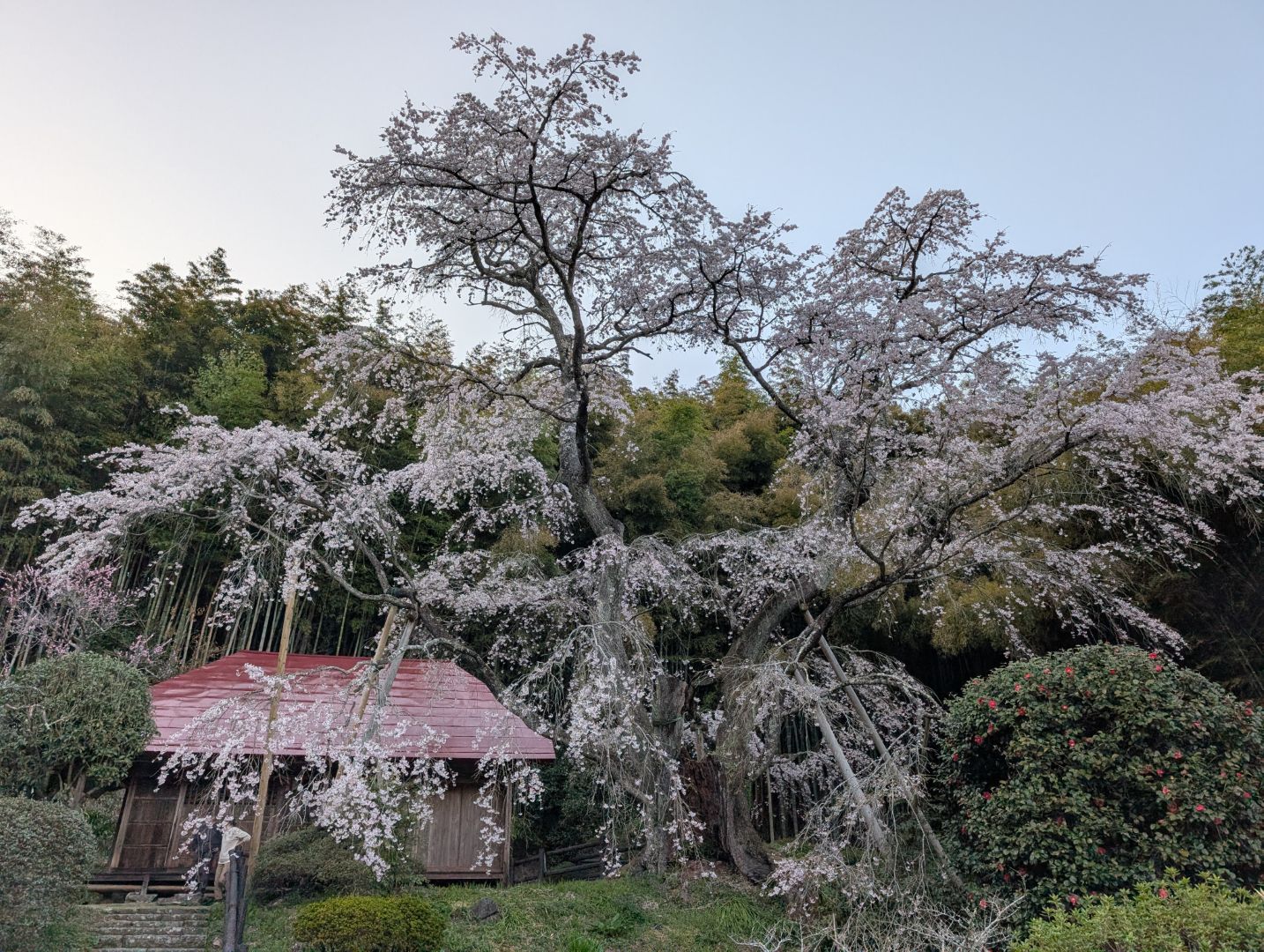
There are many beautiful cherry blossom spots around Miharu Town, and Yukimura-an Temple is one of them. Both the weeping cherry tree named “Yukimura-zakura” and the old plum tree named “Yukimura-ume” were in bloom, and they were absolutely stunning.
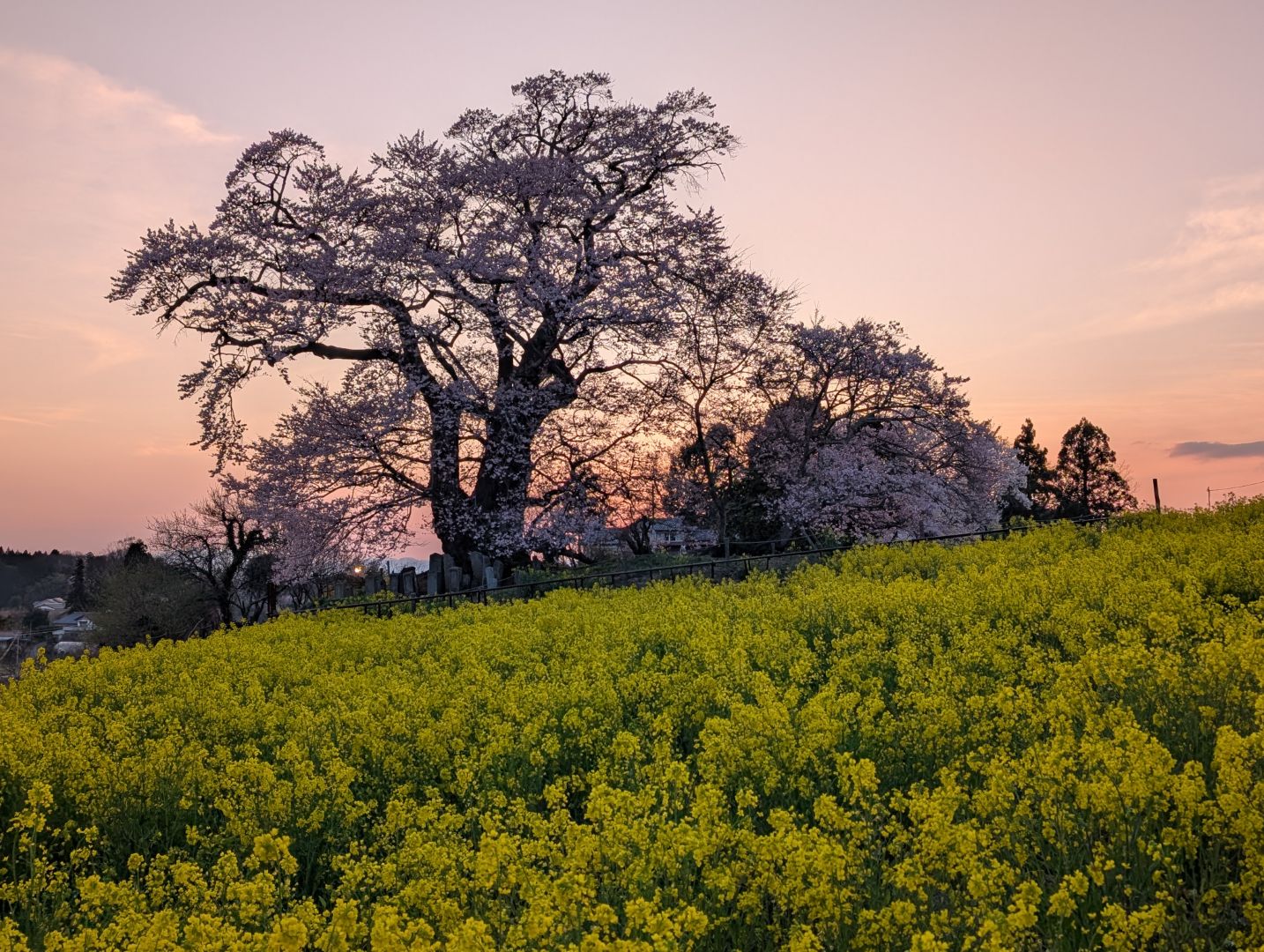

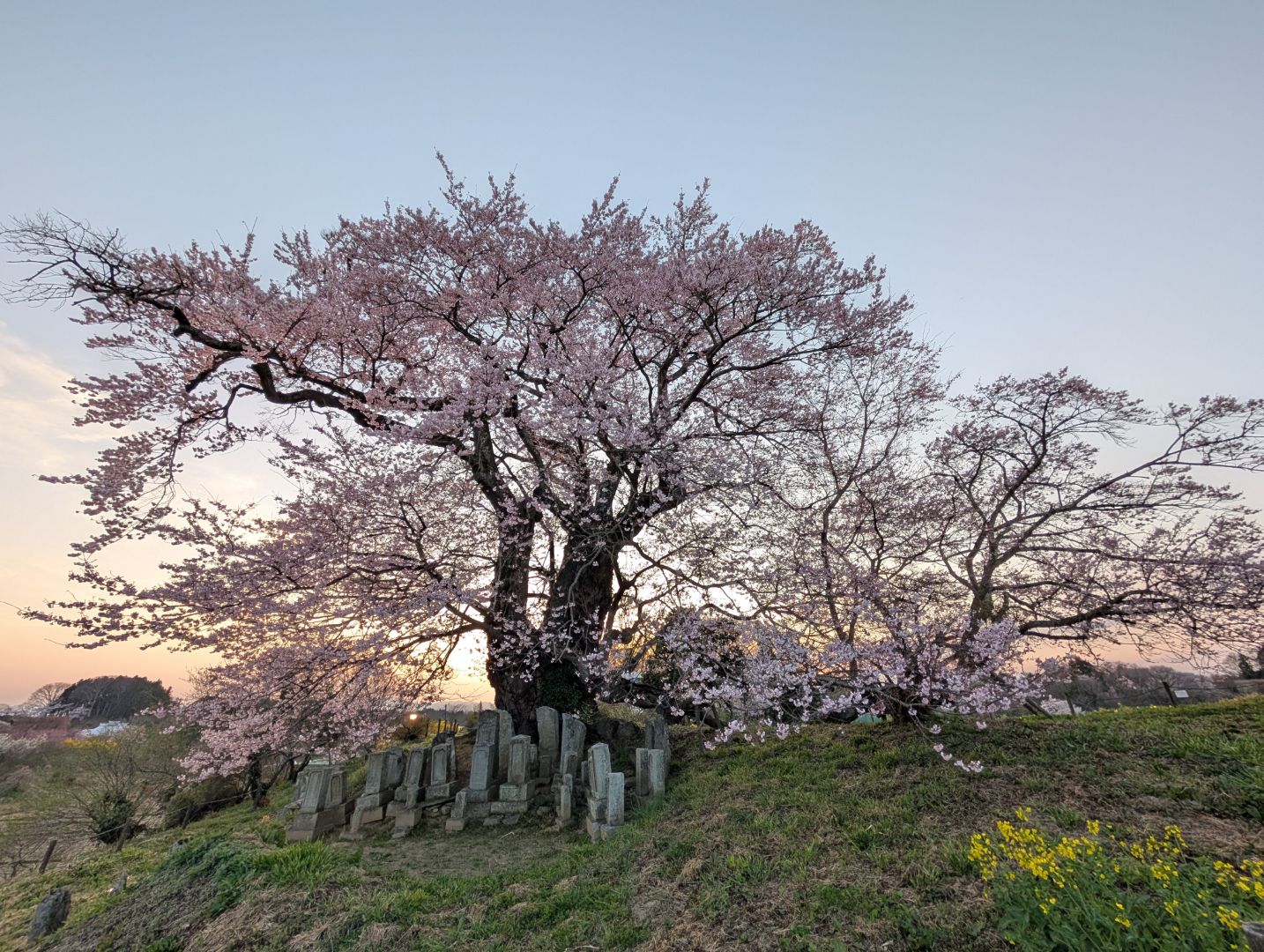
I was heading towards a place called “Tenkugo” (Heavenly Village) hoping to enjoy a hot spring, and right nearby I stumbled upon Shionozaki’s Great Cherry Tree. Since the hot spring was under construction and I couldn’t go in, I just relaxed and admired the magnificent cherry tree as the beautiful sunset unfolded. It had a powerful presence, different from weeping cherry trees, and was truly a fantastic cherry blossom.
コメント