When I was checking out the Ise-Kumano cycling route on Japan Ecotrack, there was a mention of eight submersible bridges, or Chinkabashi, on the Kushida River. For some reason, I’d always thought Chinkabashi were unique to the Shimanto River, so I was pretty surprised! That made me want to go see them for myself, so I decided to cycle the Miyagawa-Kahadakyo route.
The starting point, Michi-no-Eki Okuise Oodai, was super convenient to get to. The total distance was 69.6km with an elevation gain of 904m, which felt just right for an eBike, considering my stamina. It was also my first time experiencing Japan Ecotrack, so I was really looking forward to it!


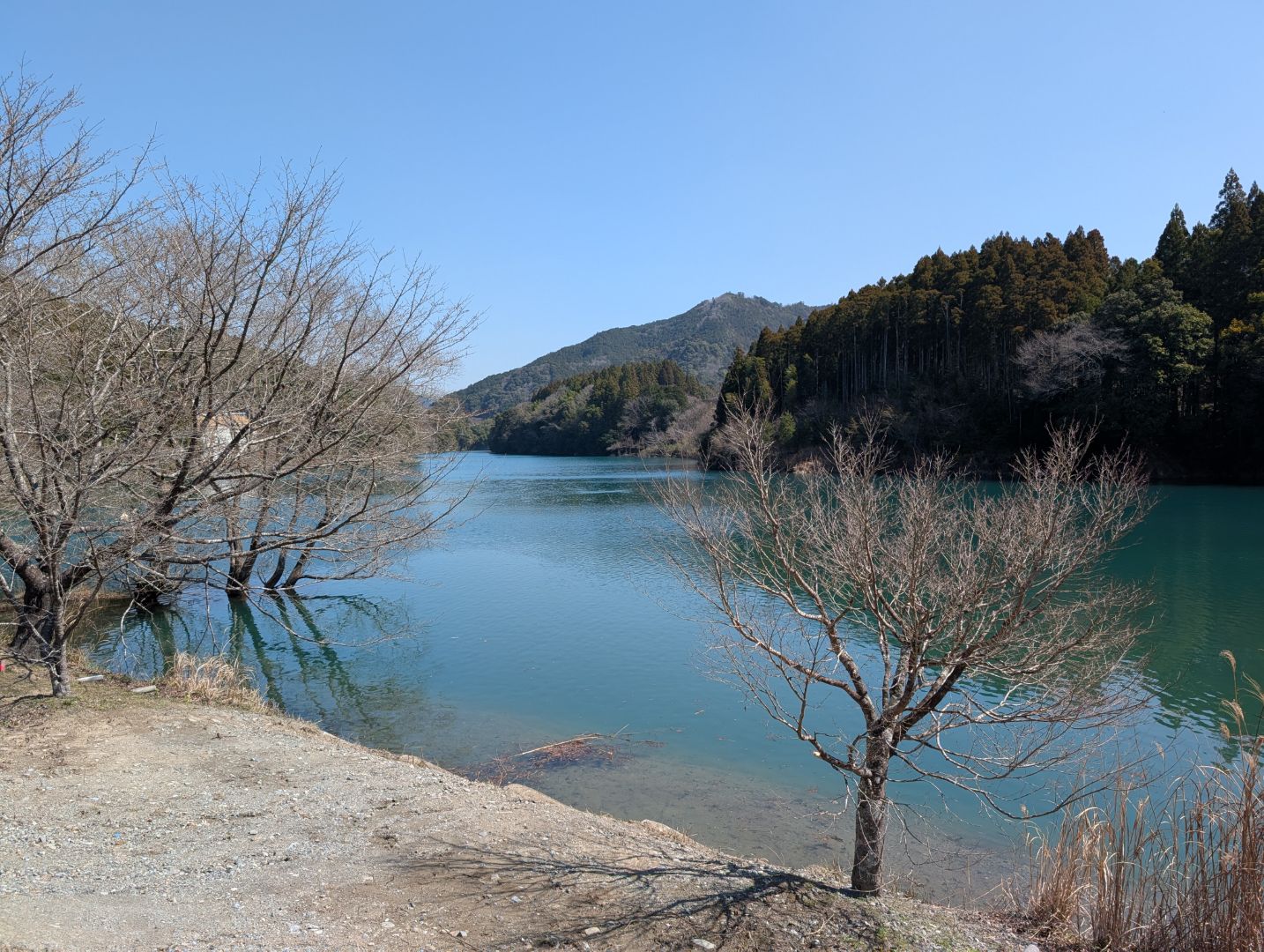
Soon after I started riding, Mise-dani Dam came into view. The huge letters “Mise-dani Dam” were plastered on the dam structure, and it was funny how it felt oddly imposing even though the dam itself isn’t that big. It’s strange how seeing dams and structures holding emerald green water always makes me feel so exhilarated.

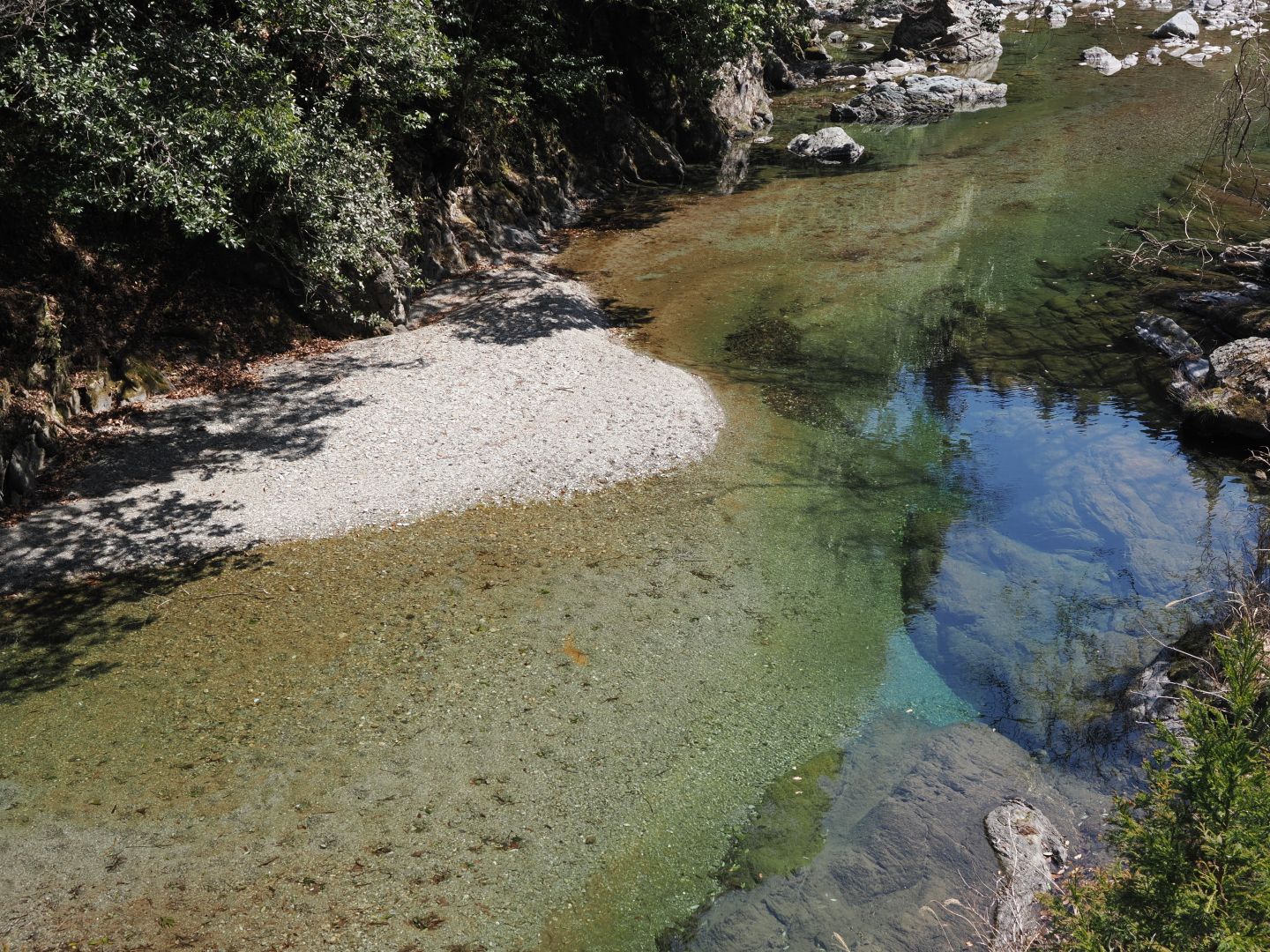
After cycling for a while along the Miyagawa Oodai Prefectural Road, following the Miyagawa River, I eventually said goodbye to it and turned onto National Route 422. The tributary rivers of the Miyagawa were so stunningly beautiful that I found myself stopping my bike multiple times, just captivated by the view.
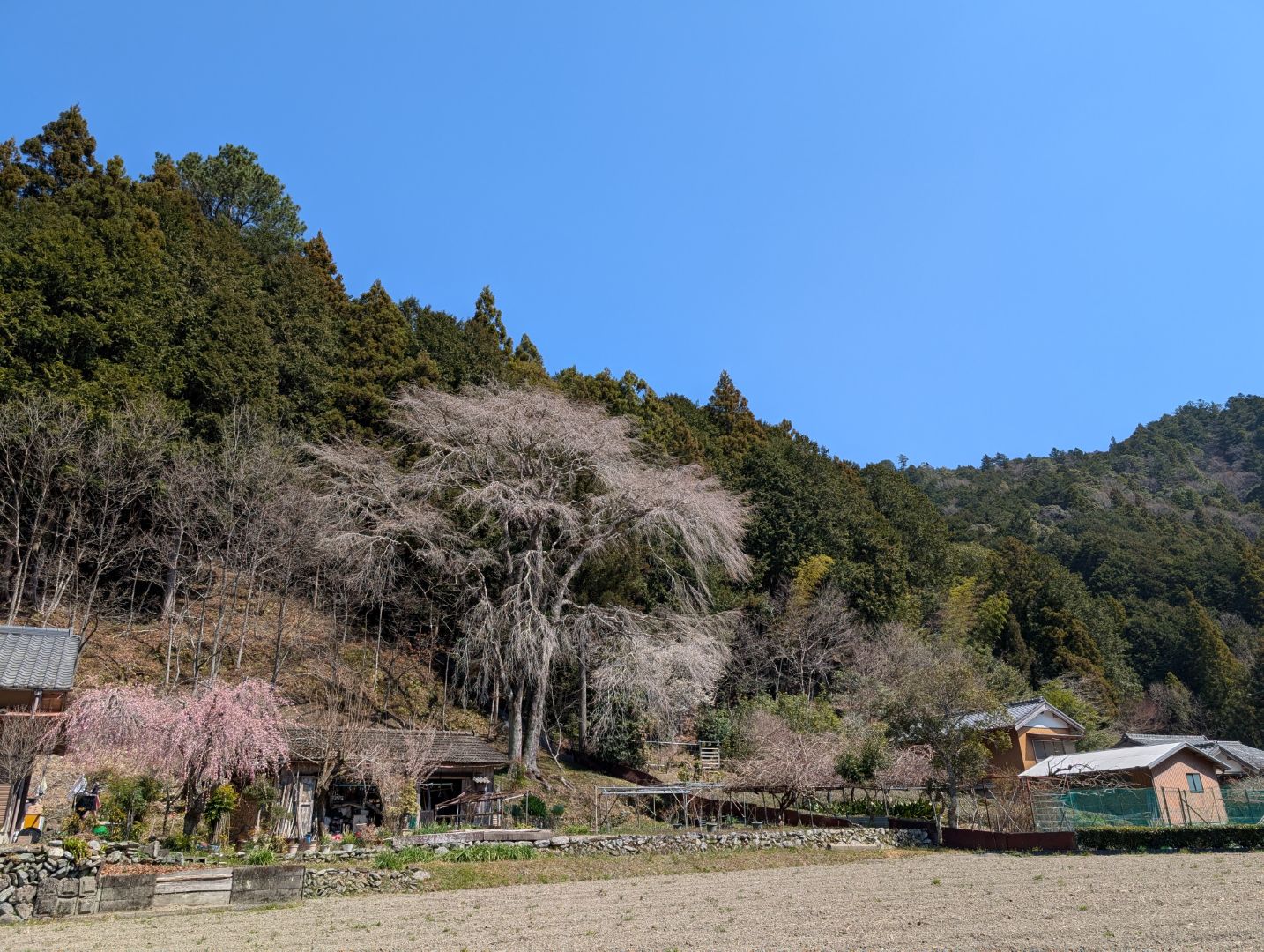
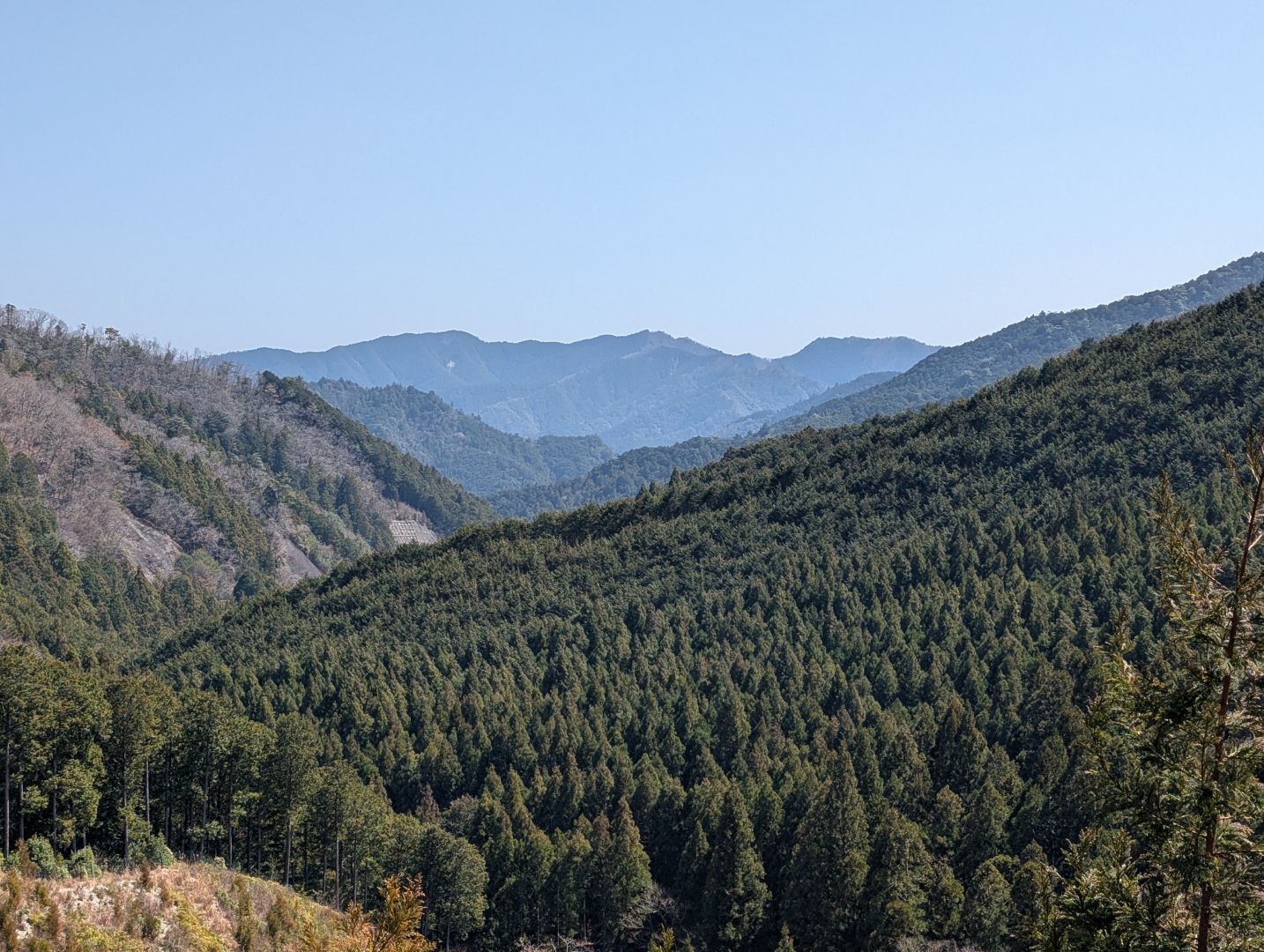
Basically, it was a riverside route, but you could also enjoy mountain views and a satoyama-like atmosphere, making it a pretty relaxing ride. However, I started getting a bit worried because I couldn’t find the Chinkabashi, which was one of my main goals.
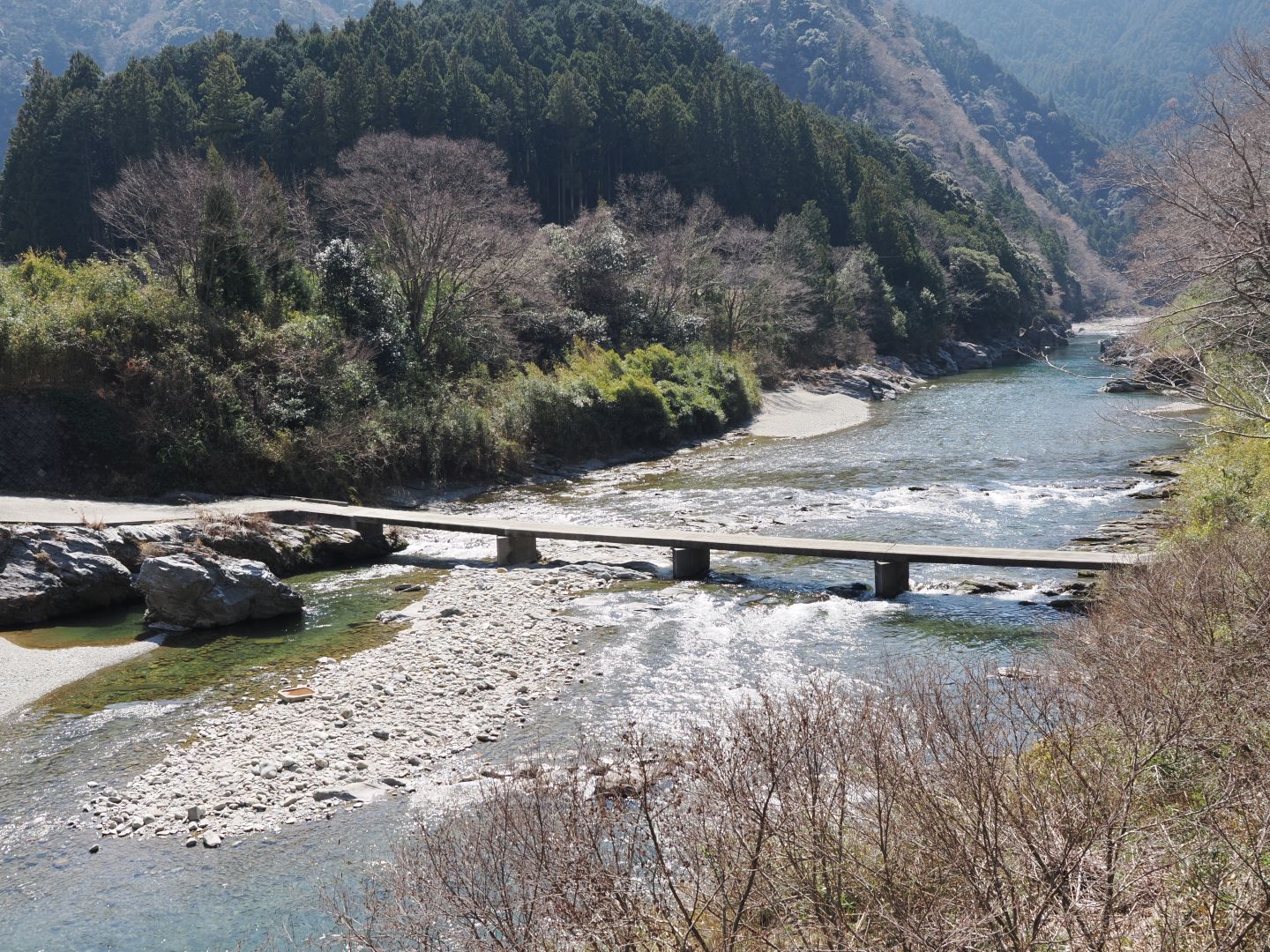
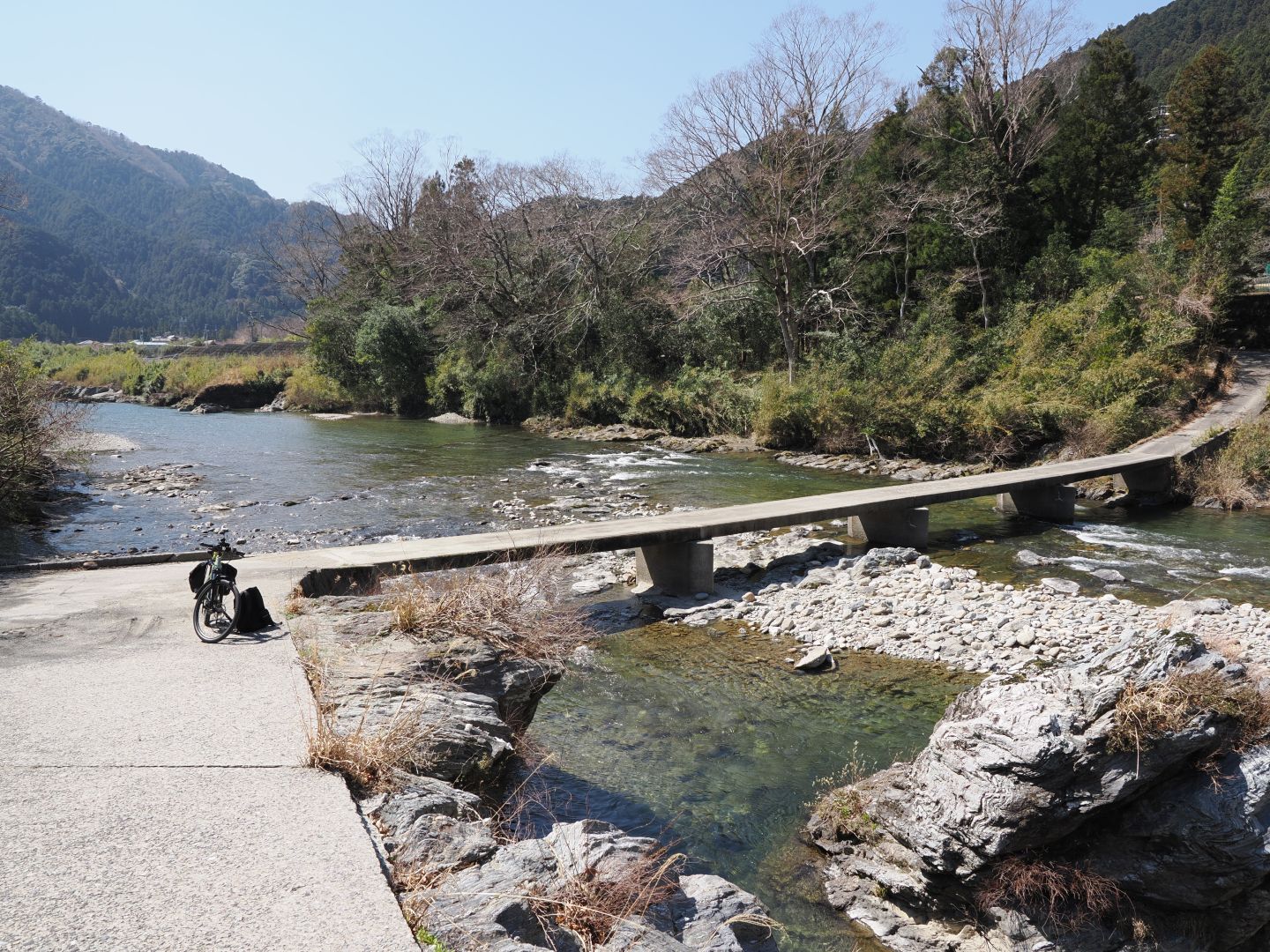
Amidst my worries, I finally found Hiramatsu Bridge. I veered off the route to ride across the submersible bridge. Even though it looked wide enough for a kei car (though it’s not actually a road for cars, so you can’t drive on it), crossing it on a bicycle felt surprisingly scary because there were no railings. I leisurely gazed at the scenery for a while; nobody passed by, and it was a wonderfully quiet time.
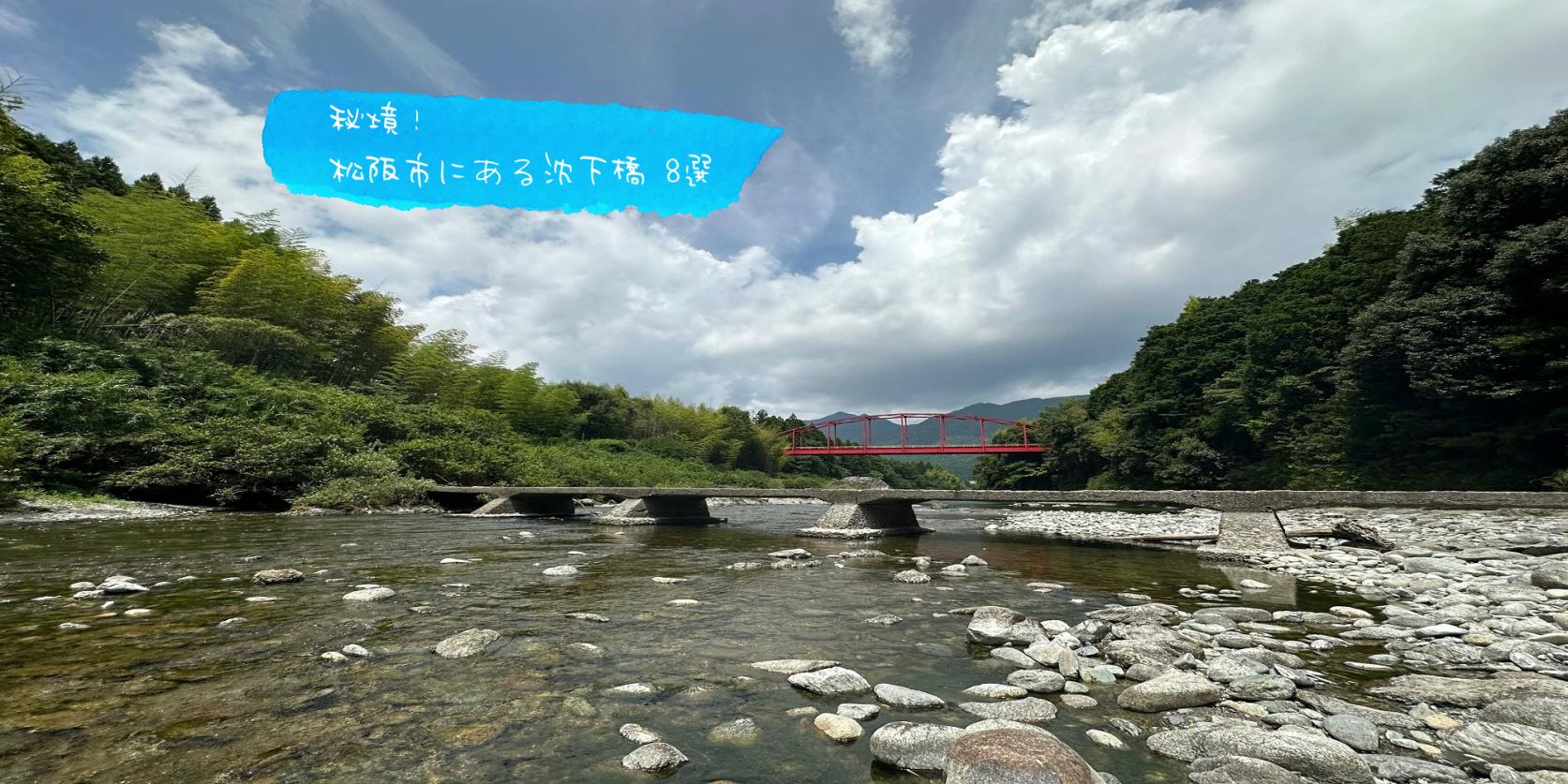
I kept looking for the other Chinkabashi as I rode, but I couldn’t find any more. When I looked it up later, it turned out there were three more submersible bridges on my route besides Hiramatsu Bridge. It’s a shame I missed them, as they seemed to have a nice atmosphere (though part of me thinks I should have researched it beforehand… but I also kinda love stumbling upon new discoveries on the fly).
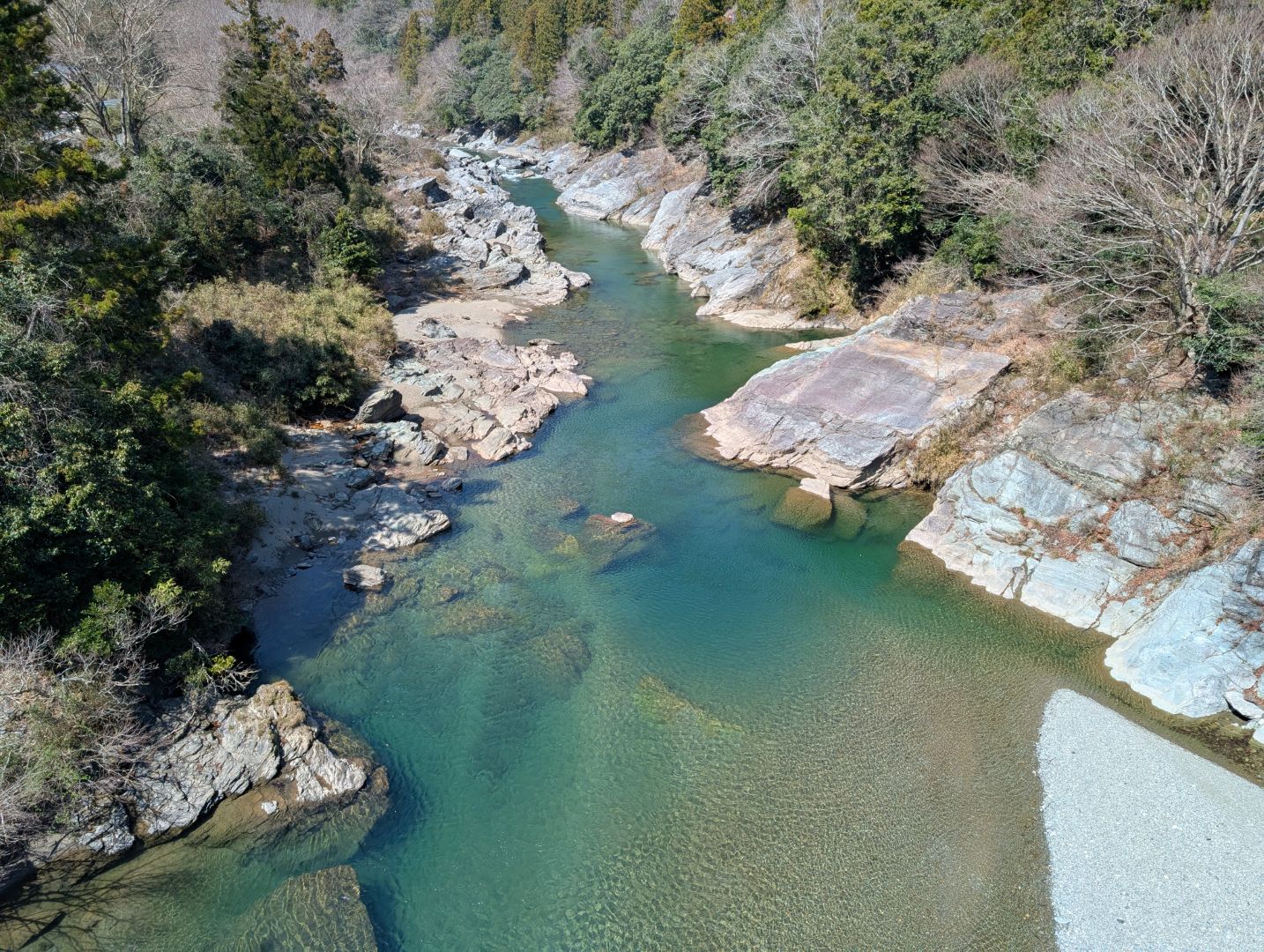
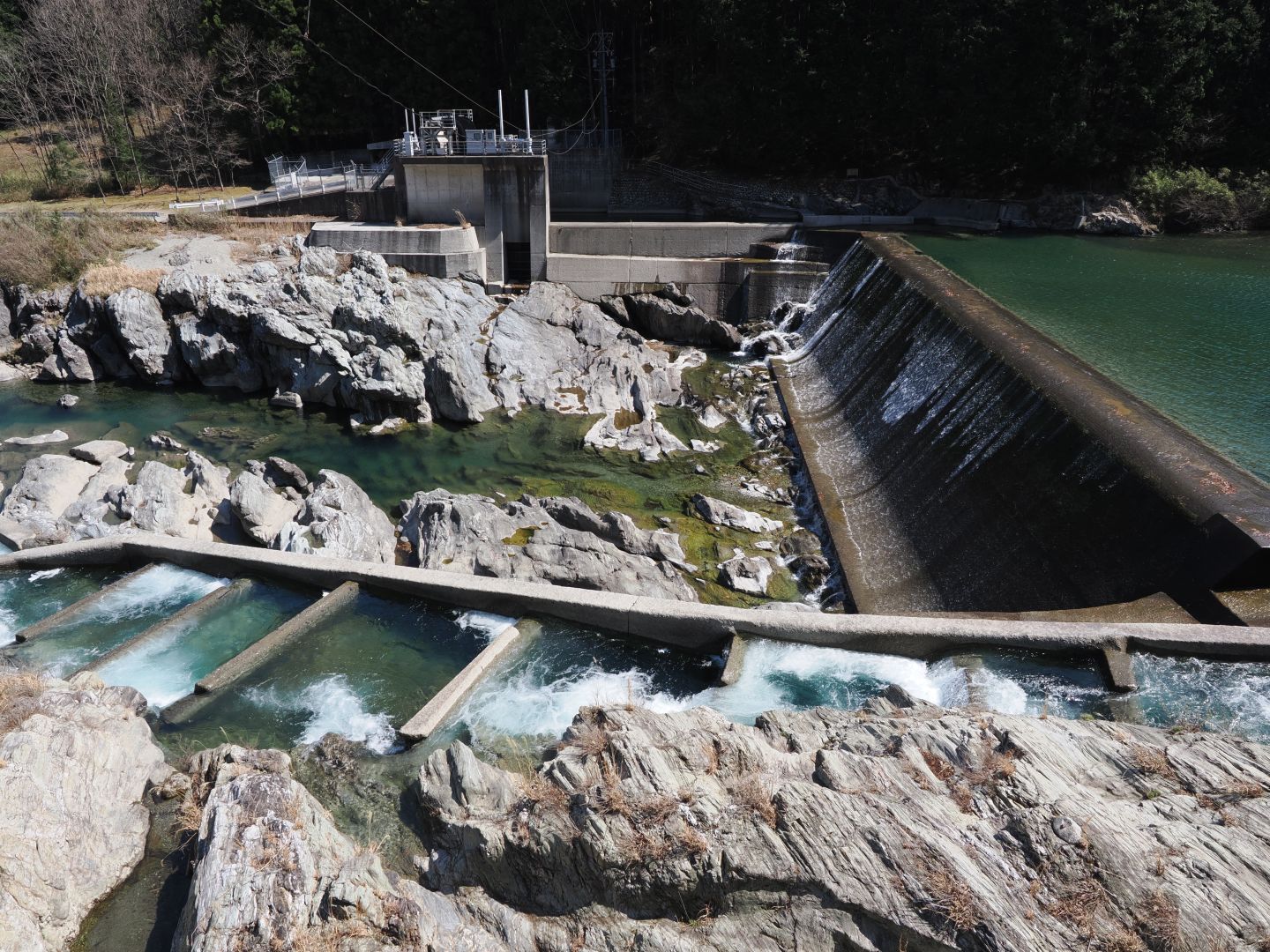
Kahadakyo Gorge, in the upper reaches of the Kushida River, was absolutely beautiful with its incredibly clear, emerald green water. The tiered weir I saw along the way was also really cool.
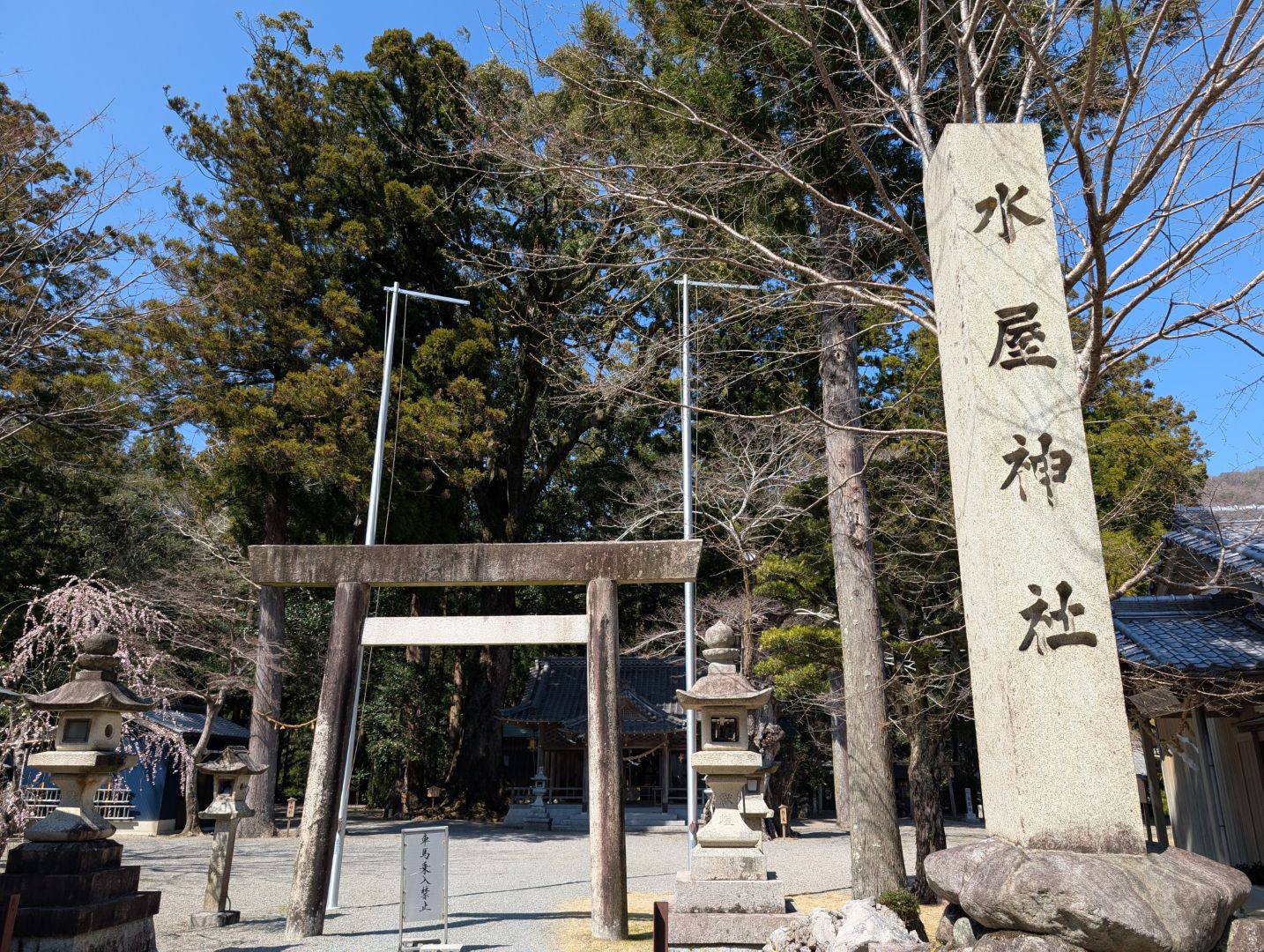
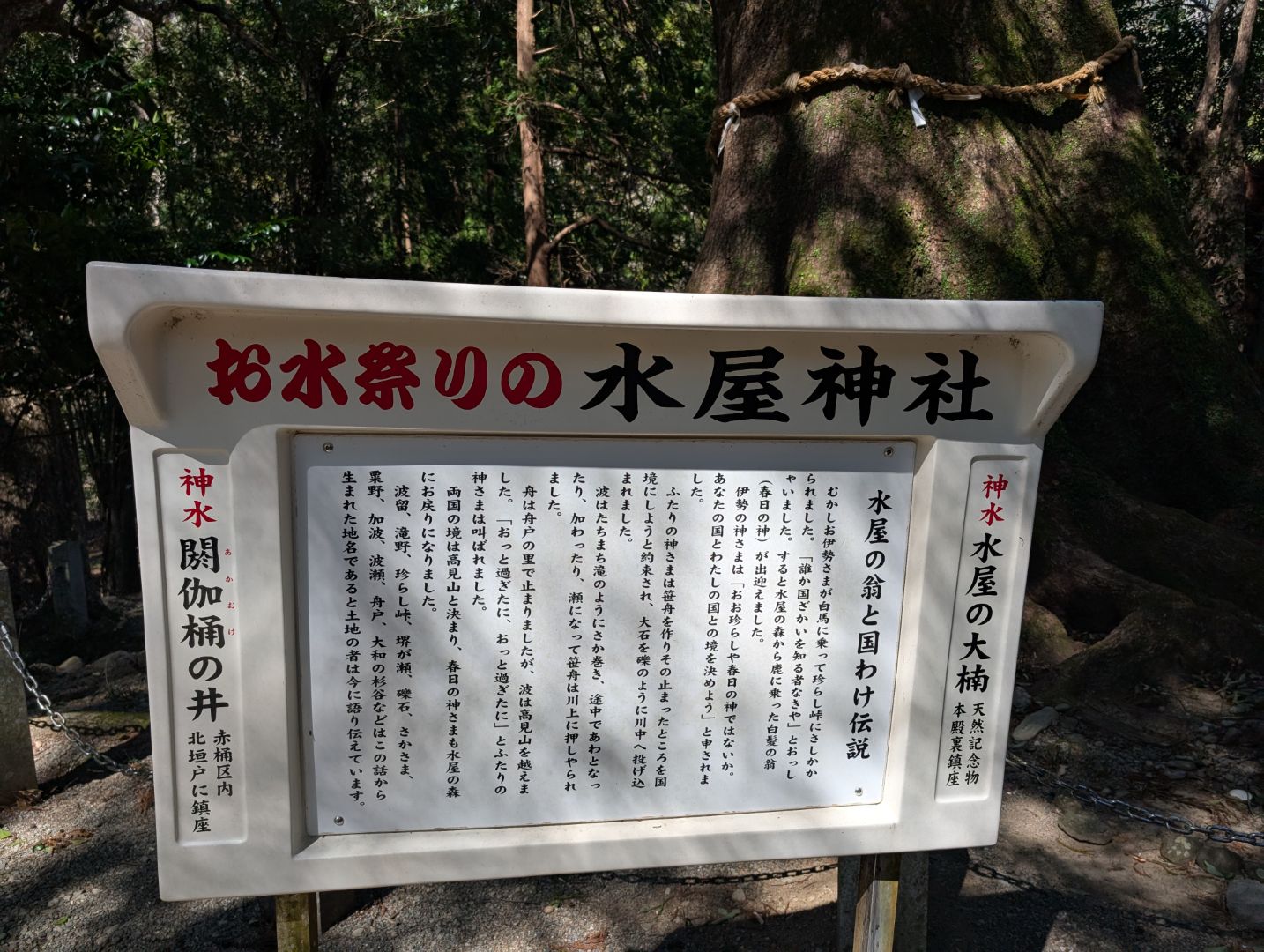
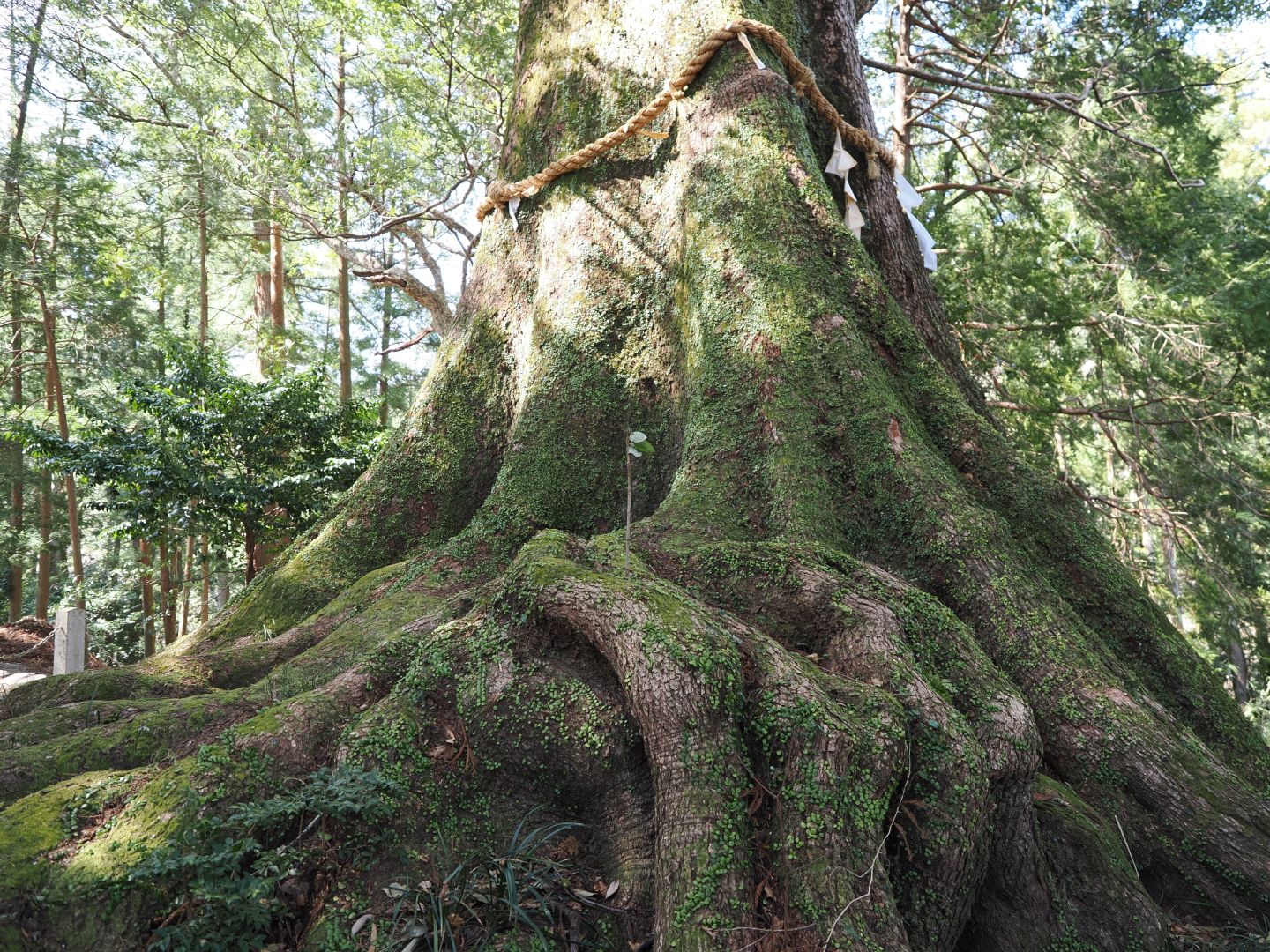
Right near Miyamae Weir was Mizuya Shrine, which had an incredibly impressive great camphor tree. This shrine has a distinguished history, enshrined as an imperial temporary residence for Kasuga Shrine in Yamato. The great camphor tree, considered a sacred tree, is estimated to be over 1000 years old, with a root circumference of about 30 meters!
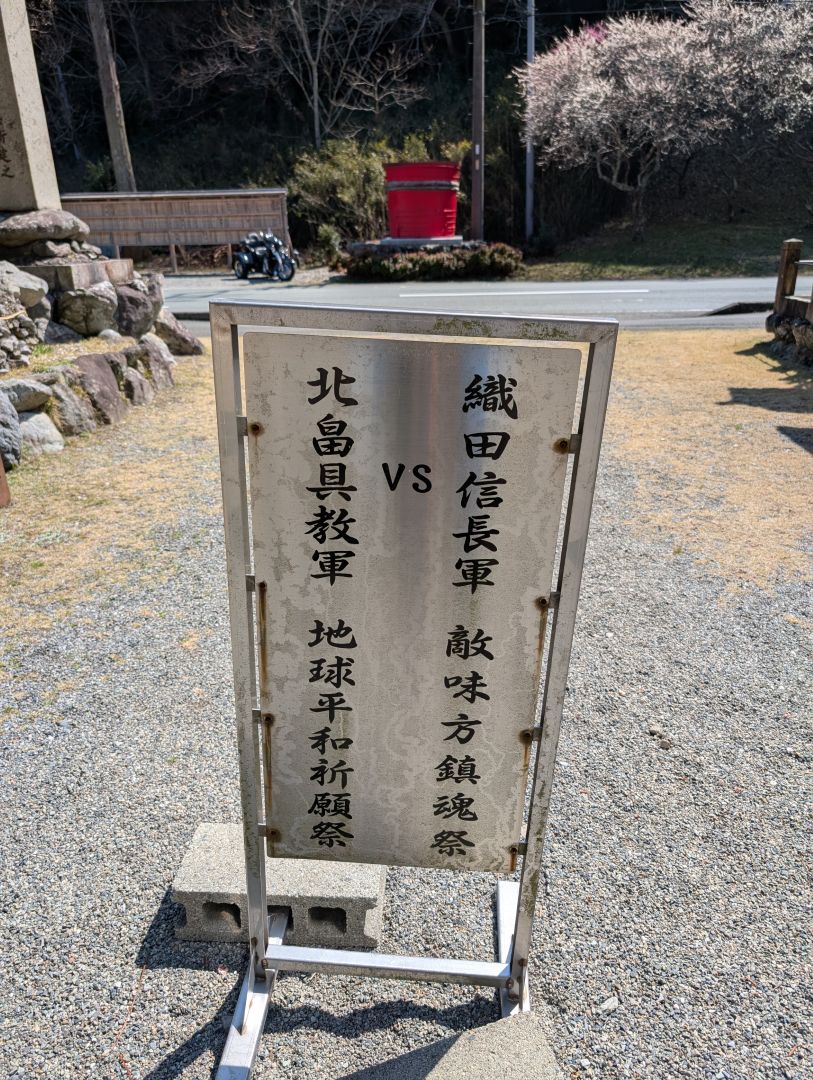
In the middle of the photo with the torii gate, there was a sign that said “No Vehicles or Horses Allowed.” I happened to glance at the back of it and saw “Oda Nobunaga’s Army vs. Kitabatake Tomonori’s Army: Memorial Service for Both Sides, Prayer Ceremony for World Peace.” I was like, “What is this?!” Since the Oda and Kitabatake clans fought during Oda’s conquest of Ise, I wondered if it was a memorial service for those who died on both sides… I got curious because there was no mention of this in the history of Mizuya Shrine.

Speaking of Ise, it’s famous for tea! Tea fields stretched across the sloped land along the Kushida River, apparently because the drainage and temperature differences are just right there. Deep-steamed tea seems to be famous around this area, and it was great to be able to buy some tea as a souvenir.
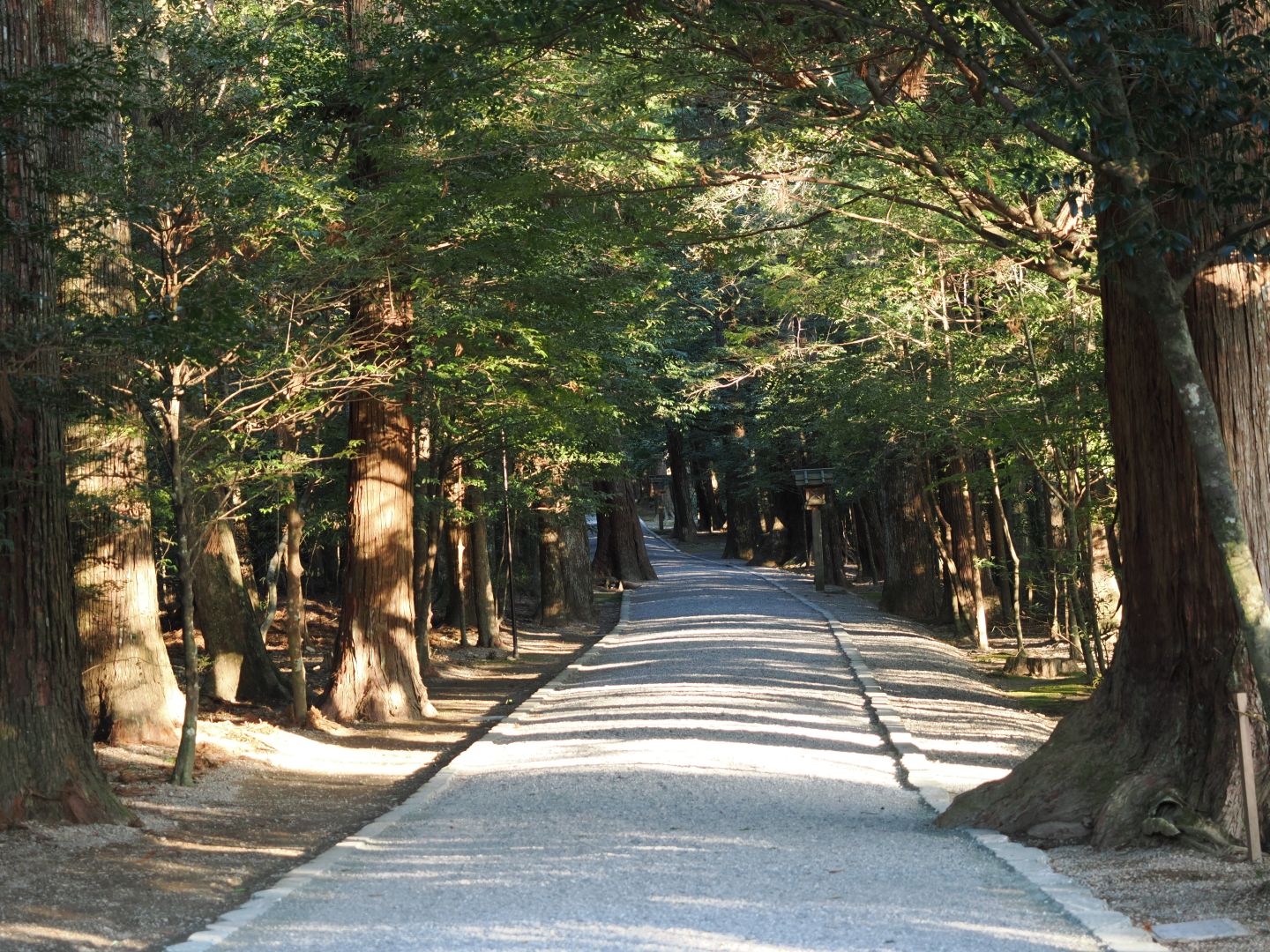

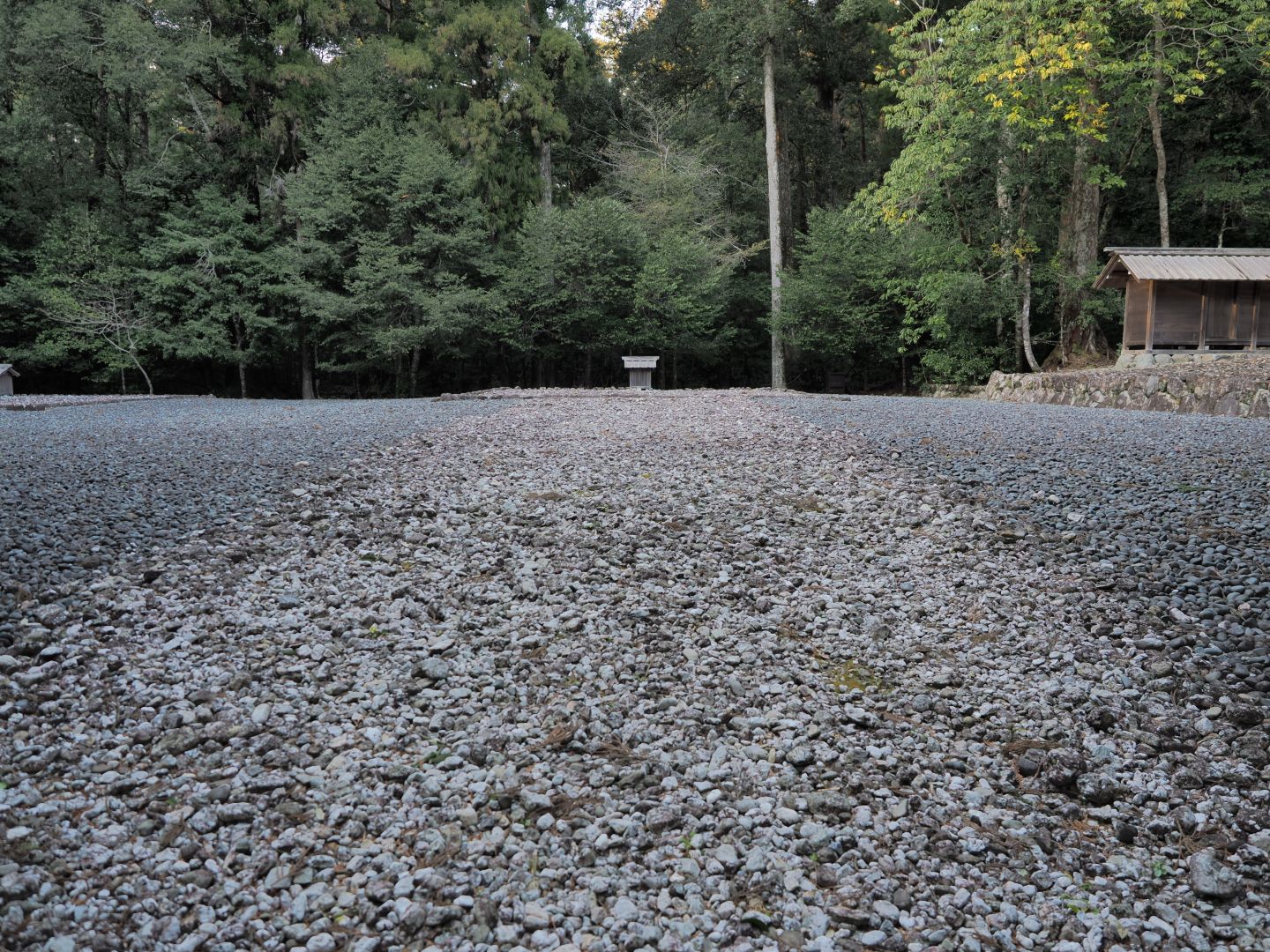
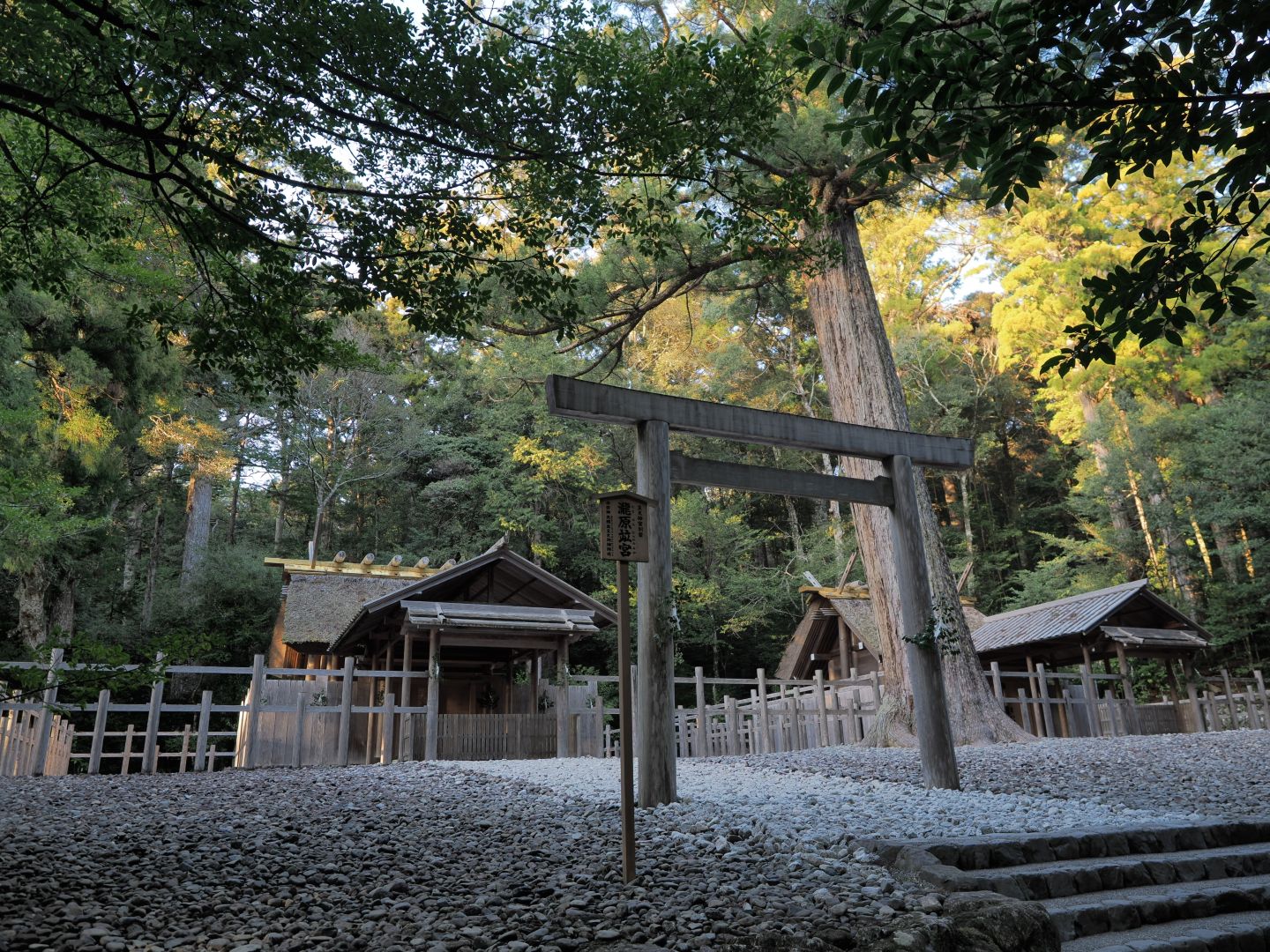
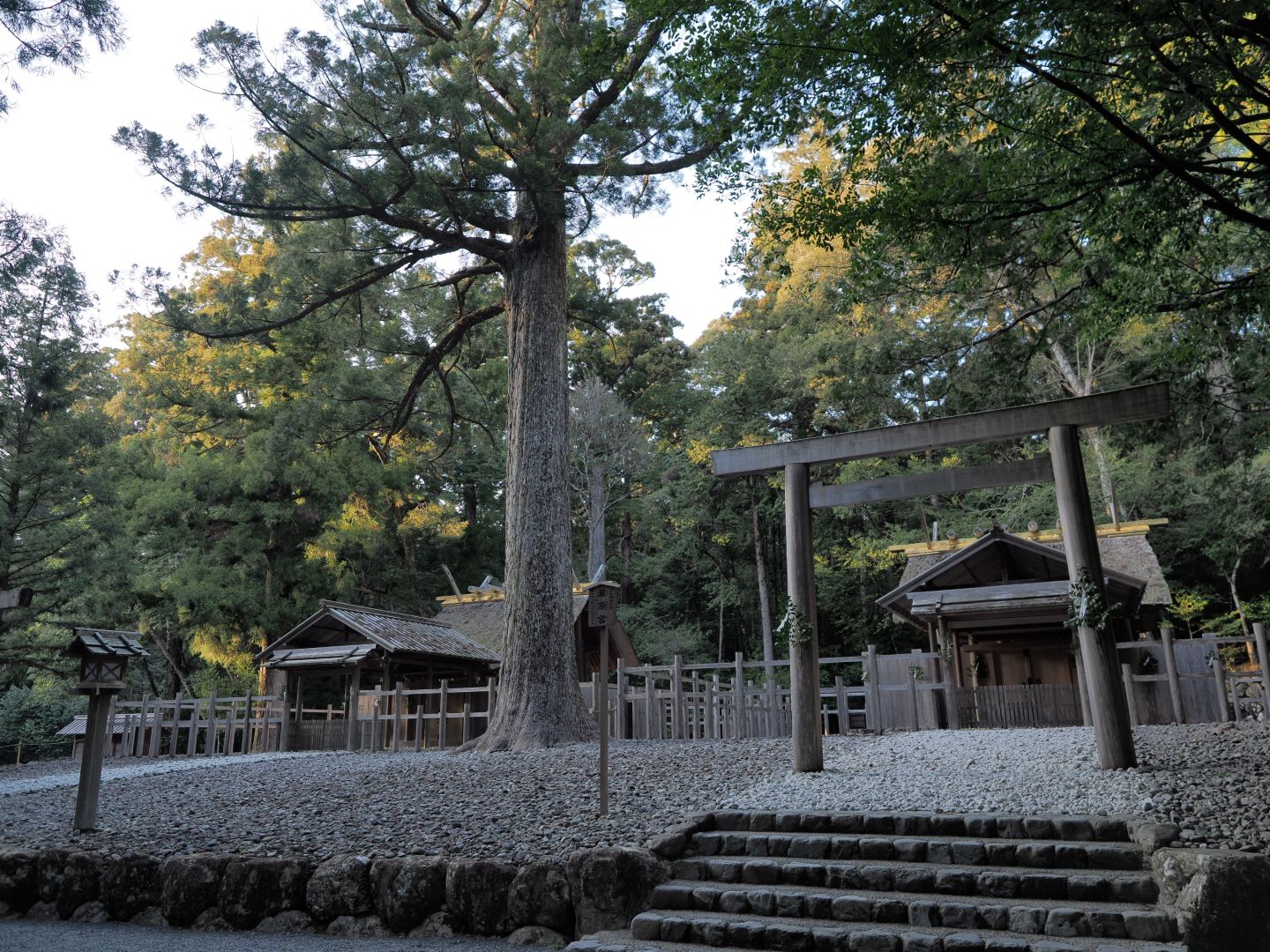
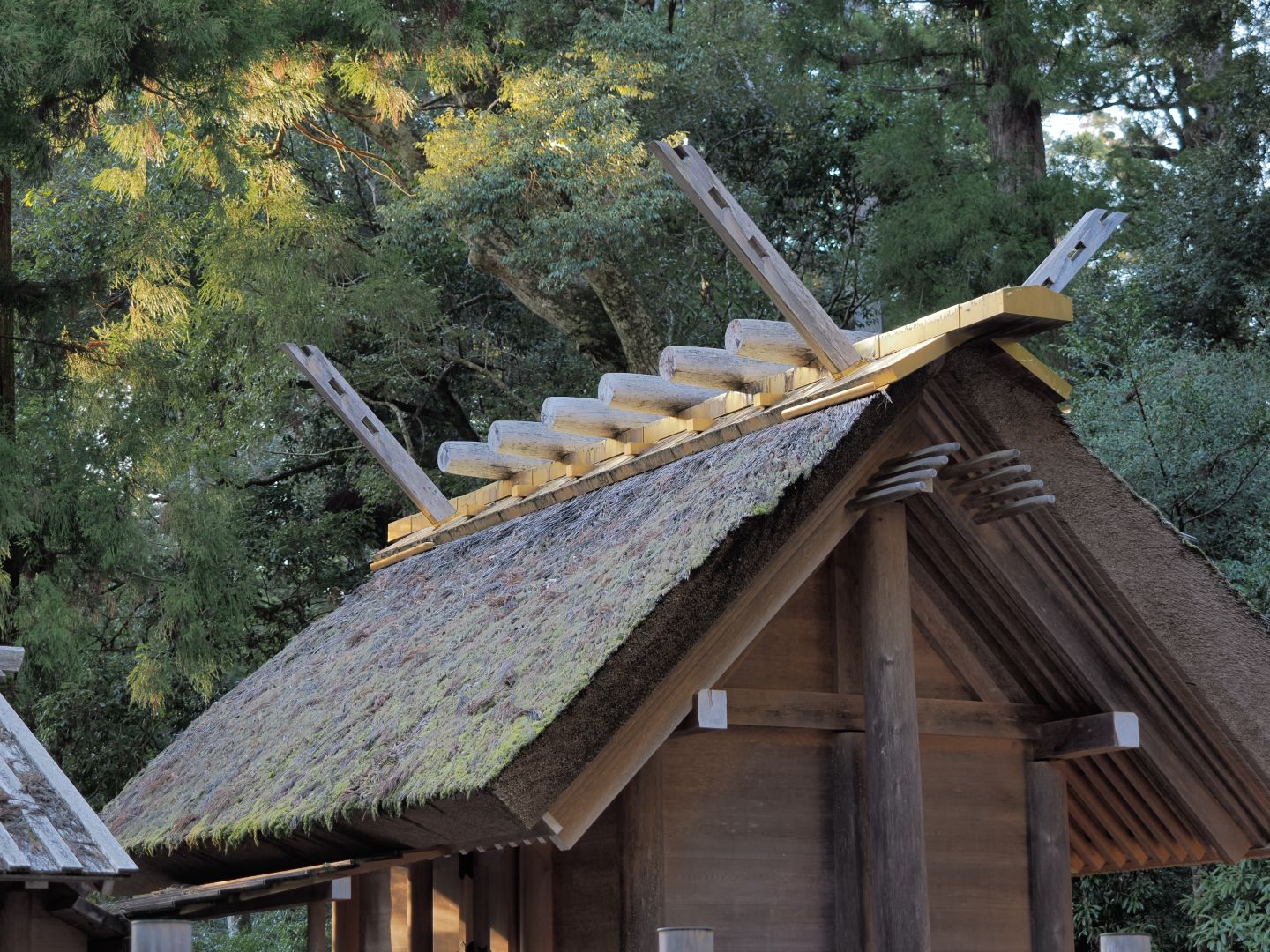

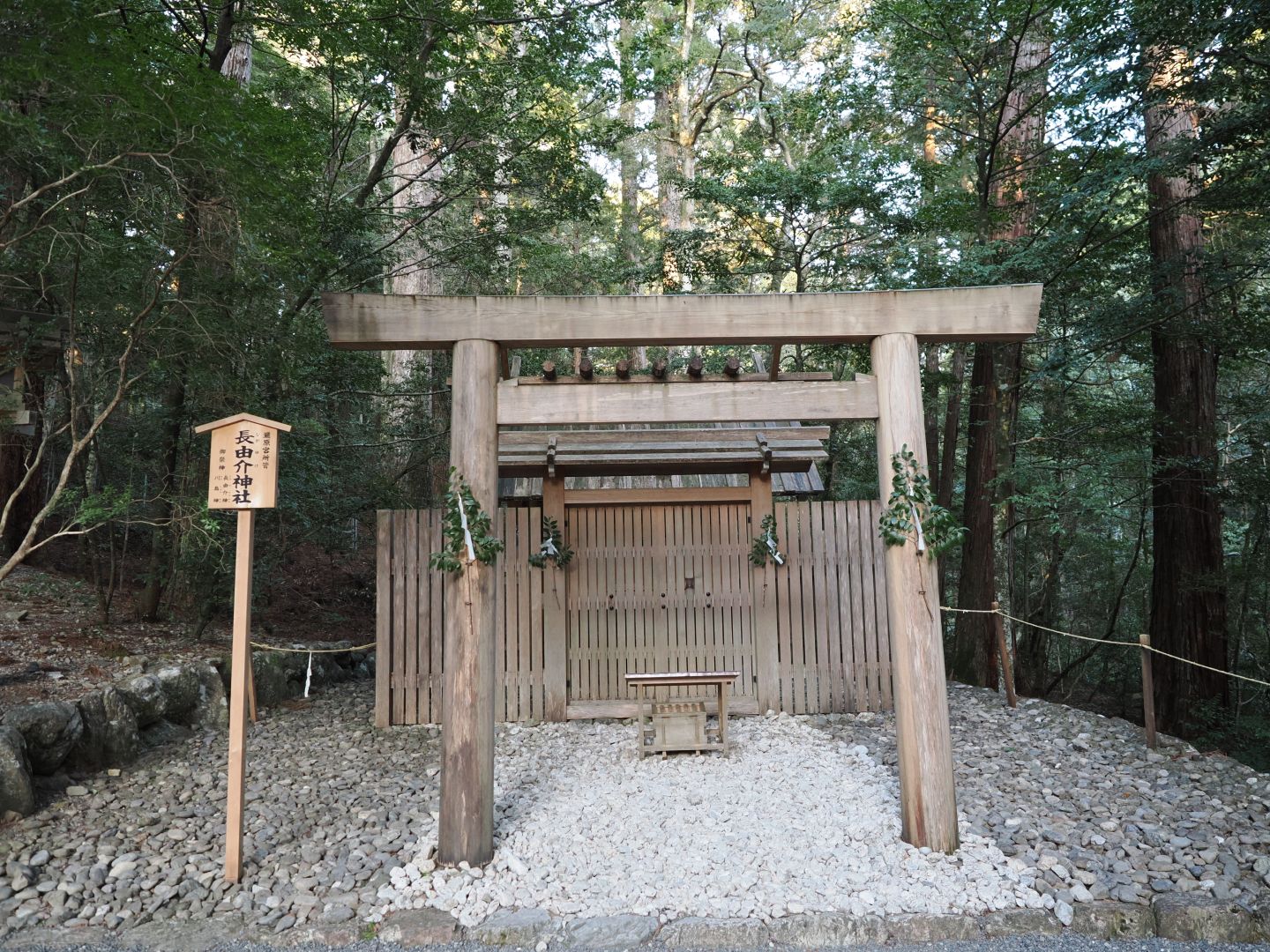
After finishing my cycling trip through Miyagawa and Kahadakyo Gorge, I stopped by Takihara-no-miya Shrine, a Betsugu (separate shrine) of Kotai Jingu, in the evening. It’s one of several Betsugu outside the main Ise Jingu area and is revered as a ‘To-no-miya’ (distant shrine) believed to be an original Ise. It was a bit late in the day, so there wasn’t a single worshiper around. While it was wonderful to visit in such a solemn atmosphere, I honestly couldn’t stay very long because I felt a slight chill down my spine.
This was my first time trying out Japan Ecotrack, and I really felt that they’ve set up some incredibly appealing routes. It seems there are routes all over Japan, so I’d love to try another one someday!
コメント