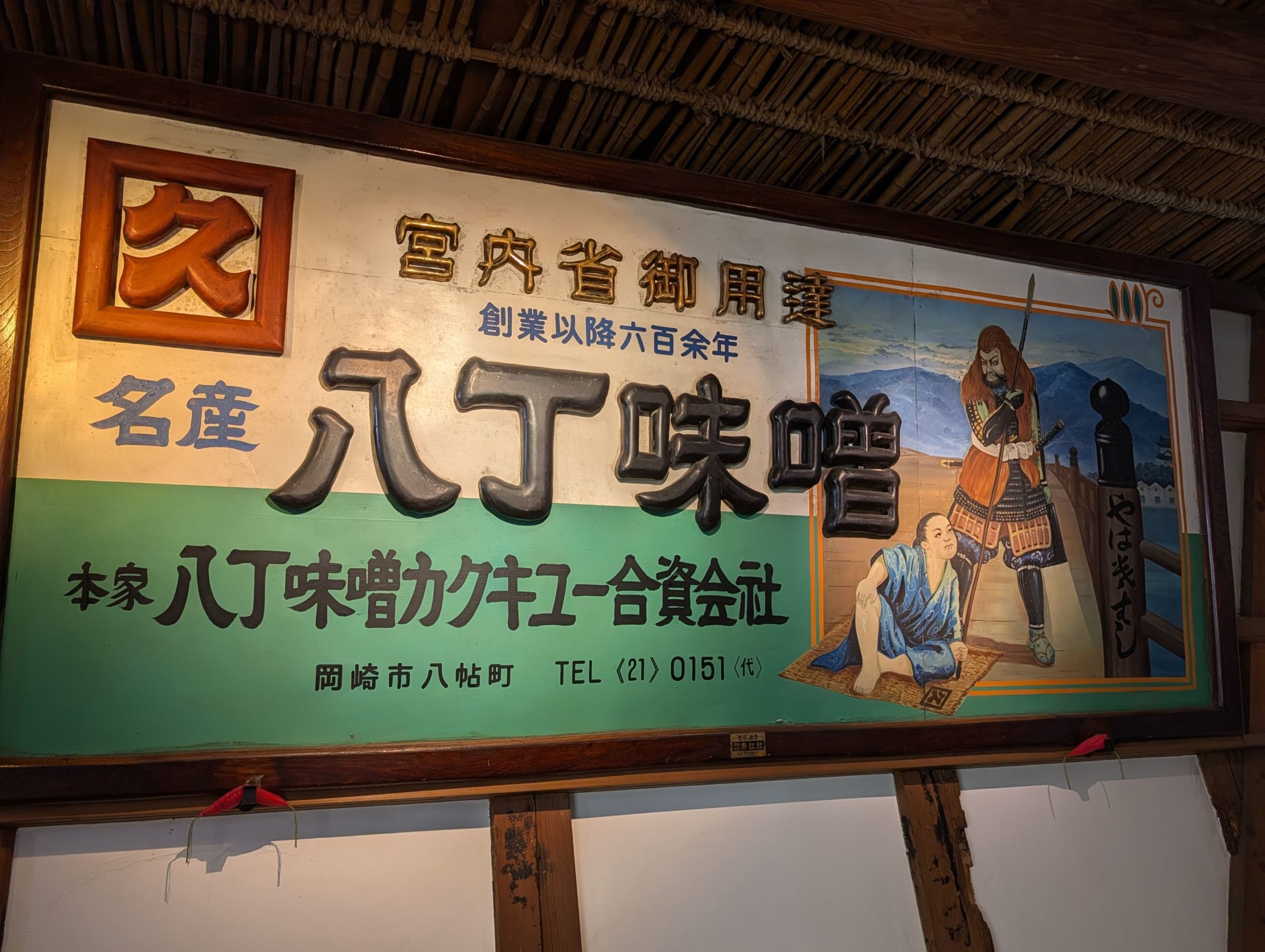
Okazaki, home to Okazaki Castle, the birthplace of Ieyasu, had always caught my eye. I kept thinking it might be a bit boring to just visit the castle, but then an outlet mall opened there late last year, so I figured it was finally time for a visit. Amidst all this, I learned that Kakukyu Haccho Miso, which I sometimes get an uncontrollable craving for and end up buying, offers factory tours! So, I decided to head to Okazaki for what I called an \”adult field trip\”.
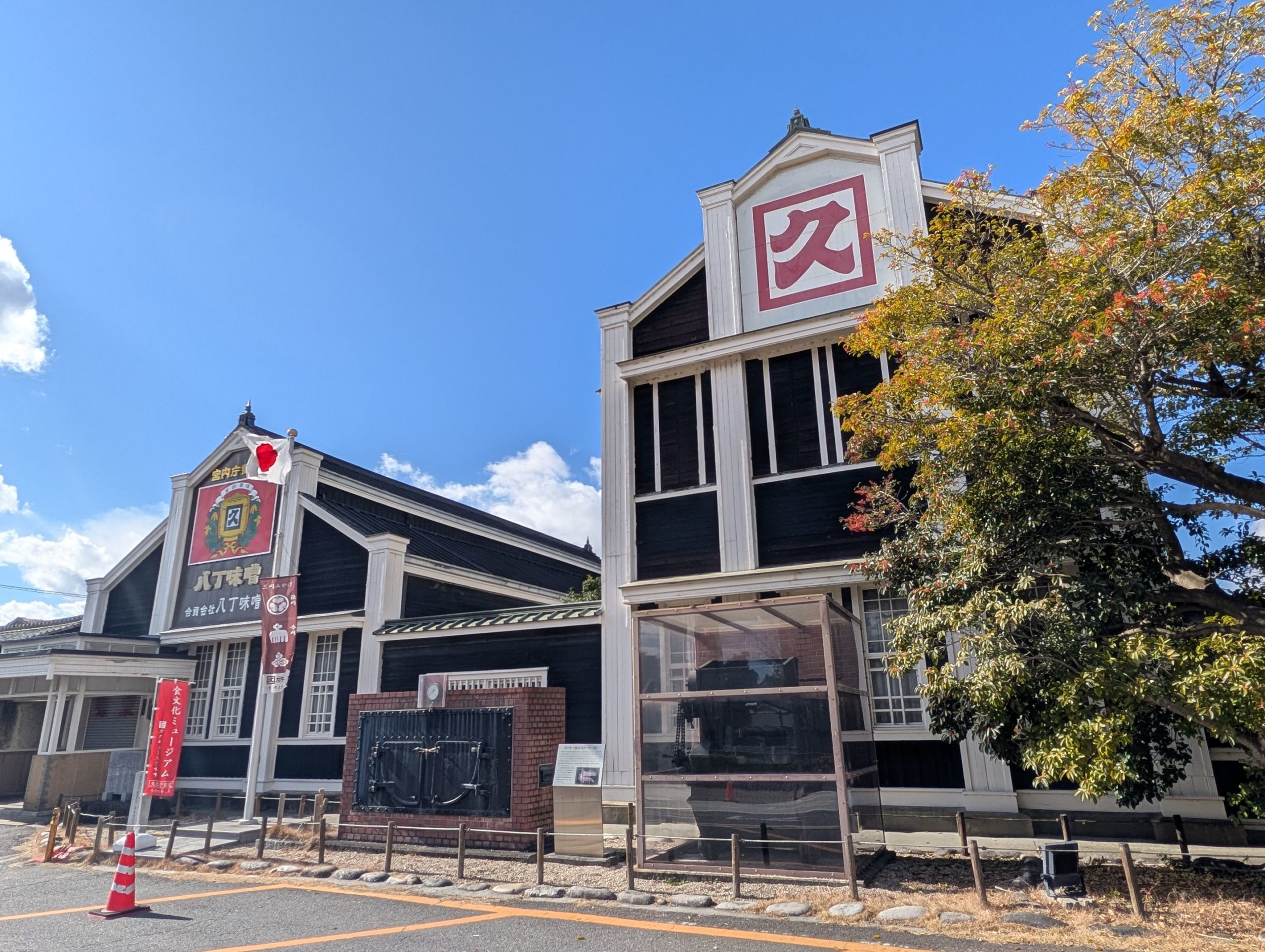
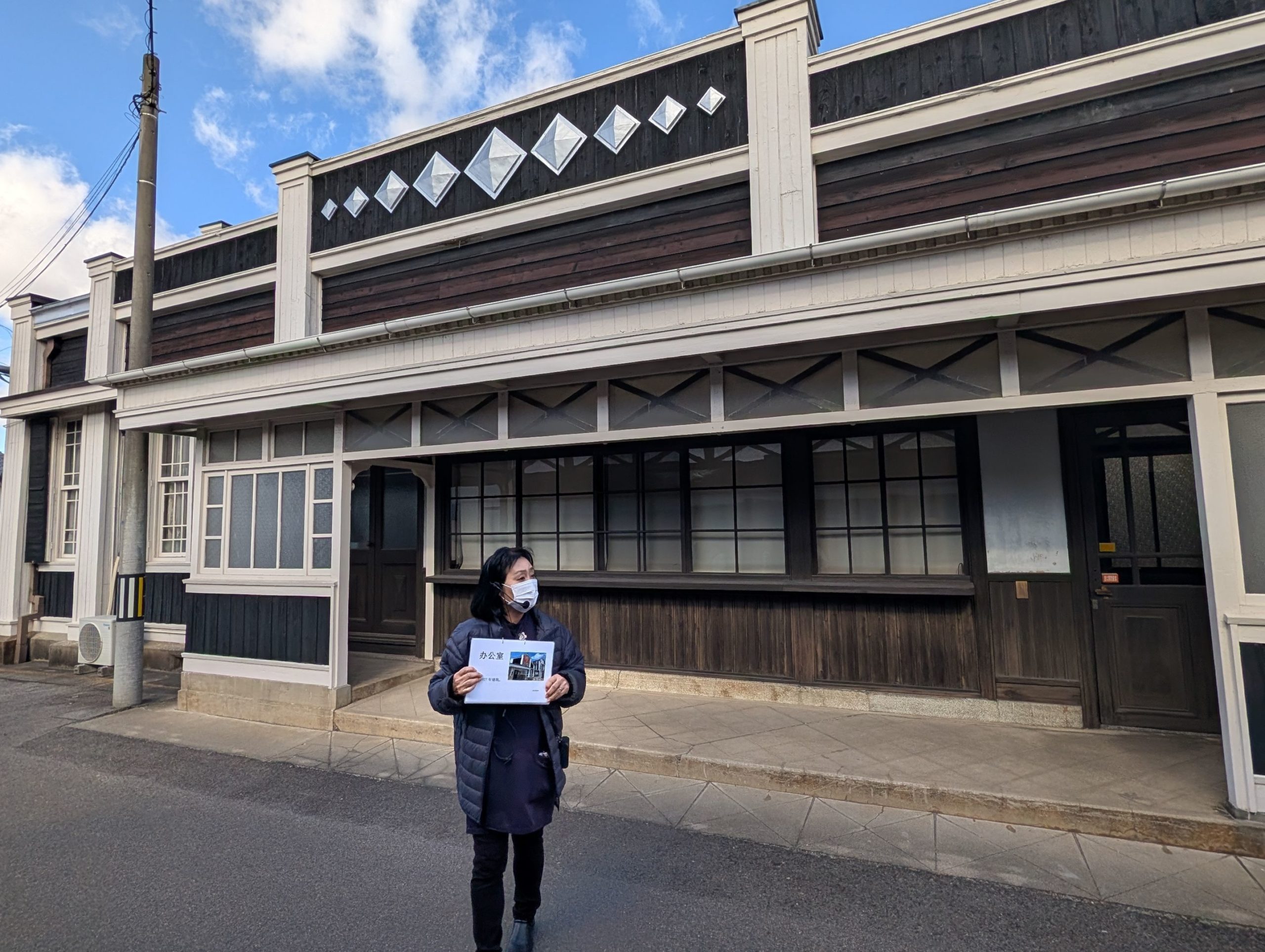
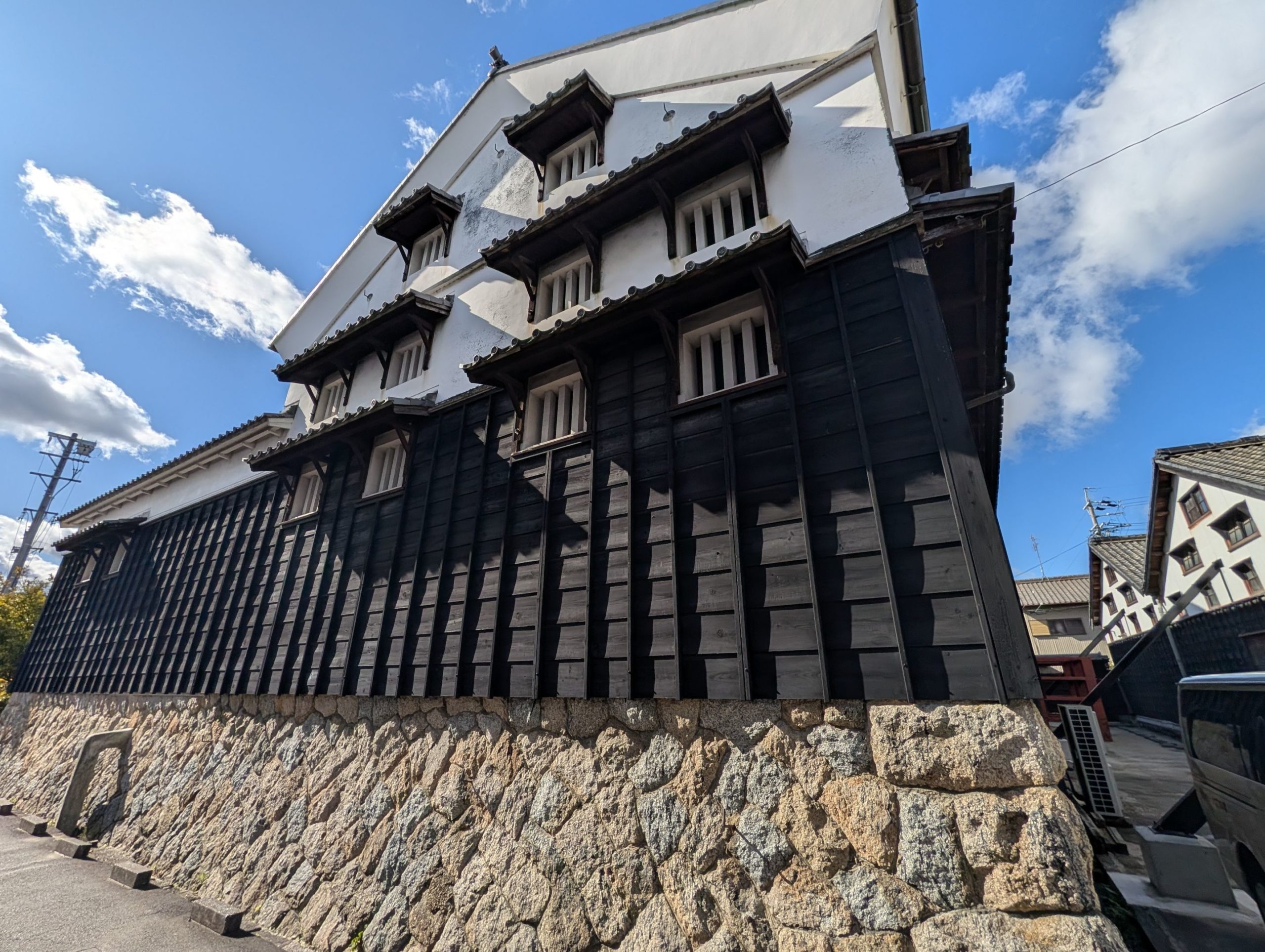
The name Haccho Miso comes from the fact that it was made in Haccho-cho, a town located \”Haccho\” (about 870 meters) west of Okazaki Castle, the birthplace of Ieyasu. It has been produced since the early Edo period.
The name \”Kakukyu,\” which is written with the character \”久\” (kyu) inside a square, comes from the founder’s name, Kyuemon. The story goes that this Kyuemon was originally Hayakawa Shinrokuro Katsuhisa, a retainer of Imagawa Yoshimoto. After Imagawa’s defeat in the Battle of Okehazama, he fled to a temple in Okazaki, gave up being a samurai, and changed his name to Kyuemon. He then learned miso making at the temple. Several generations later, his descendants moved to Haccho-cho and officially started producing Haccho Miso as a business in 1645.
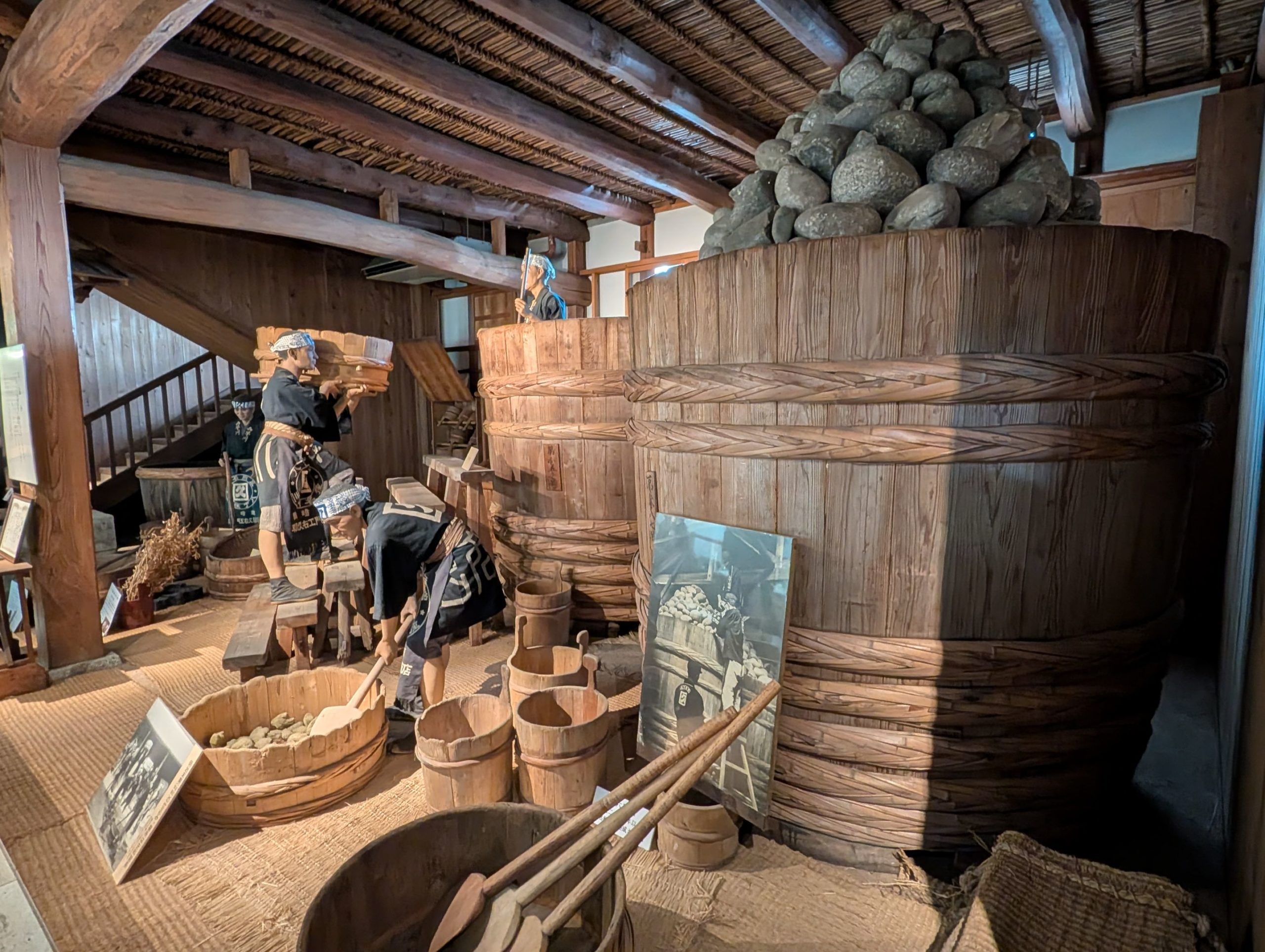
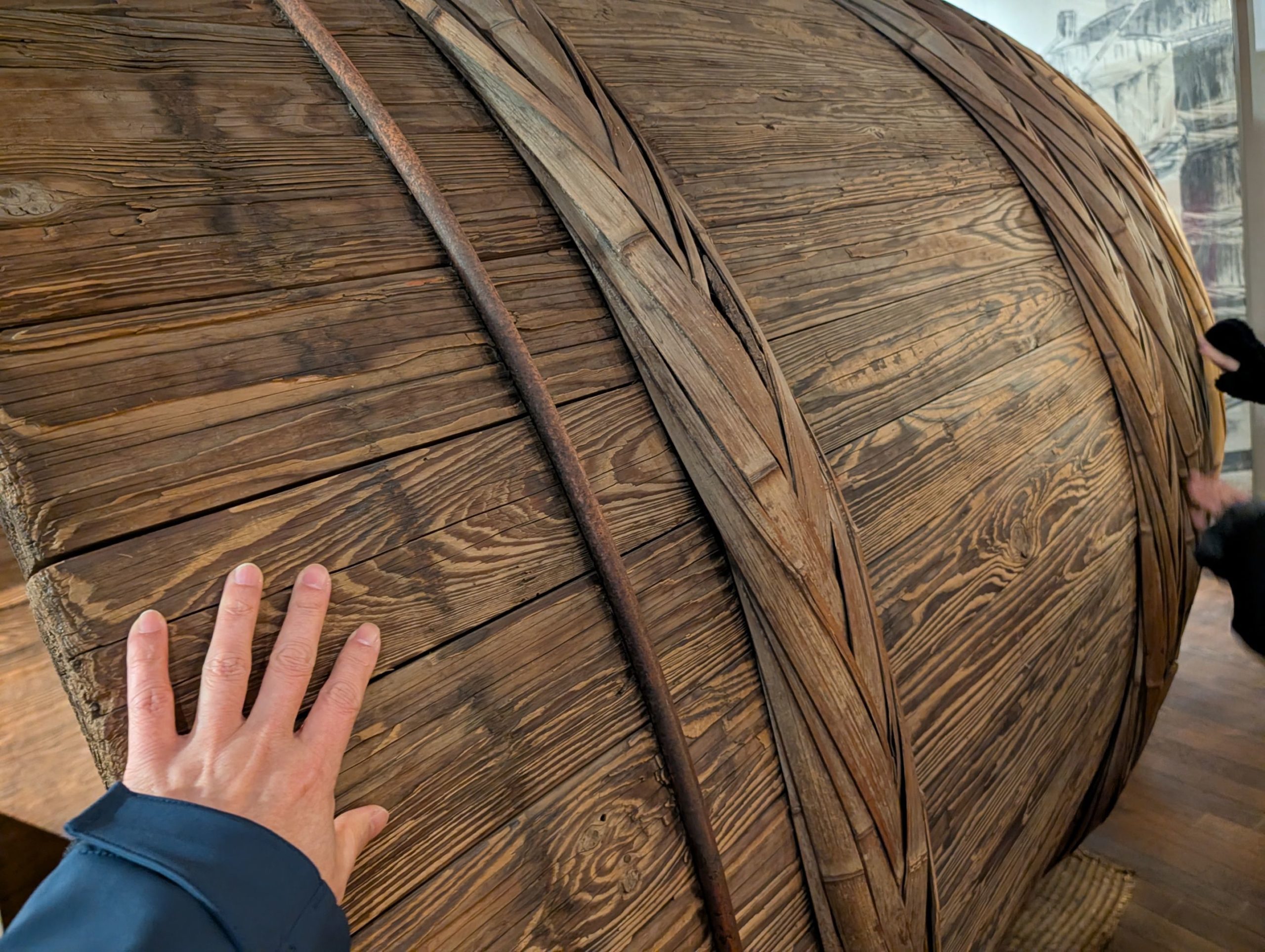
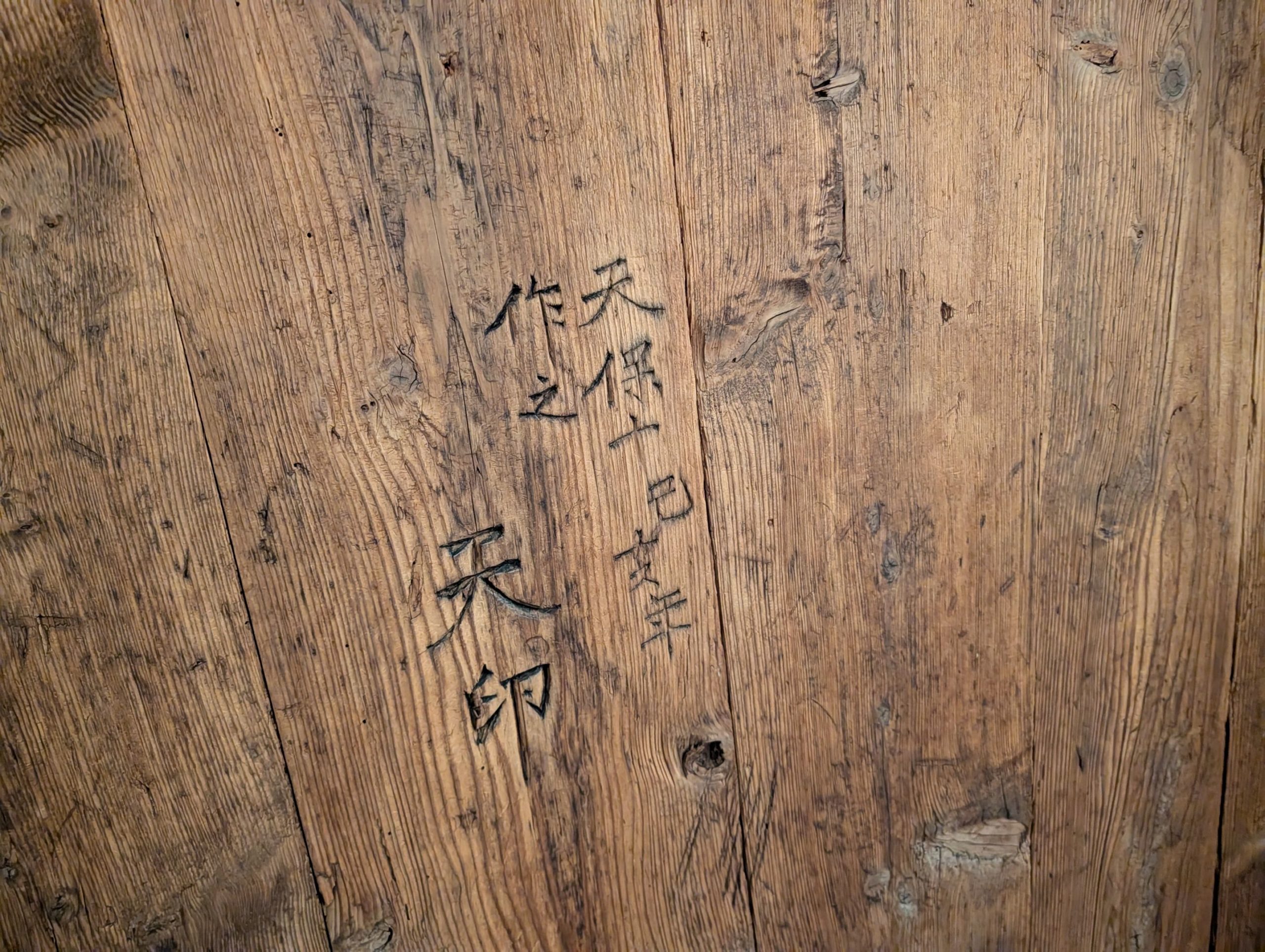
While typical Japanese miso is \”Kome Miso\” (rice miso), made from soybeans, rice, and salt, Haccho Miso is \”Mame Miso\” (bean miso), made only from soybeans and salt. I didn’t know this until I saw the exhibits here, but apparently, this type of bean miso is mainly produced only in the three Tokai prefectures. Haccho Miso is characterized by its unique flavor, which lacks sweetness but offers a rich umami derived from soybeans, along with a slight acidity and astringency.
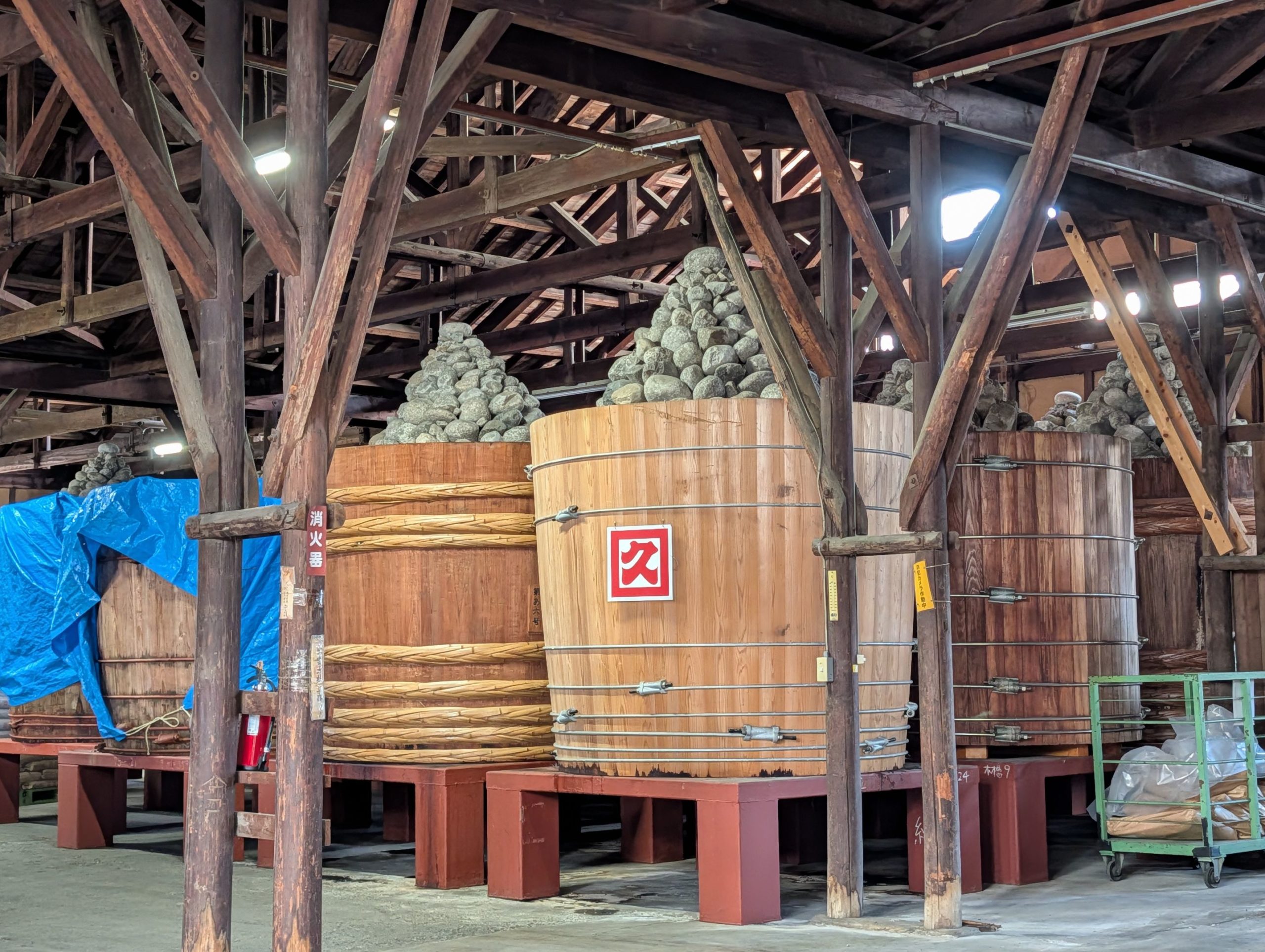
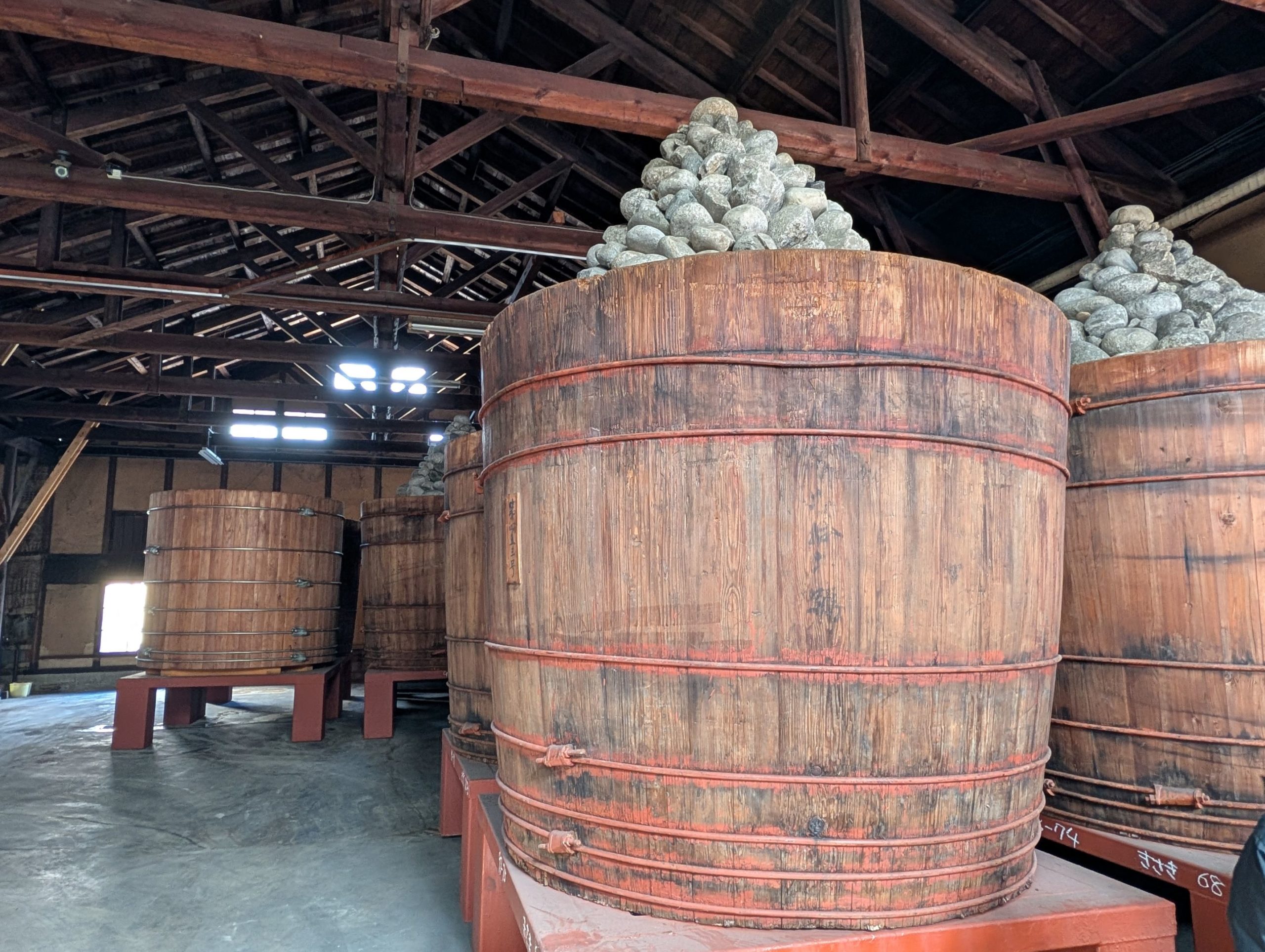
During the factory tour, you also get to see the miso storehouses where Haccho Miso is aged. What’s interesting is that they don’t do any temperature control; the miso is left to age for over two years, relying solely on natural temperature changes. Stepping into these miso storehouses, you’re greeted with an indescribably rich aroma that just makes you feel happy.
After the factory tour, they offer samples of Haccho Miso soup and Akadashi Miso soup. It suddenly occurred to me: Haccho Miso is a type of red miso, so what exactly is Akadashi Miso? I learned that Akadashi Miso is a blended miso that utilizes the flavor of Haccho Miso, with added sweetness derived from rice. The akadashi soup you get at sushi restaurants is exactly that! I learned something new.
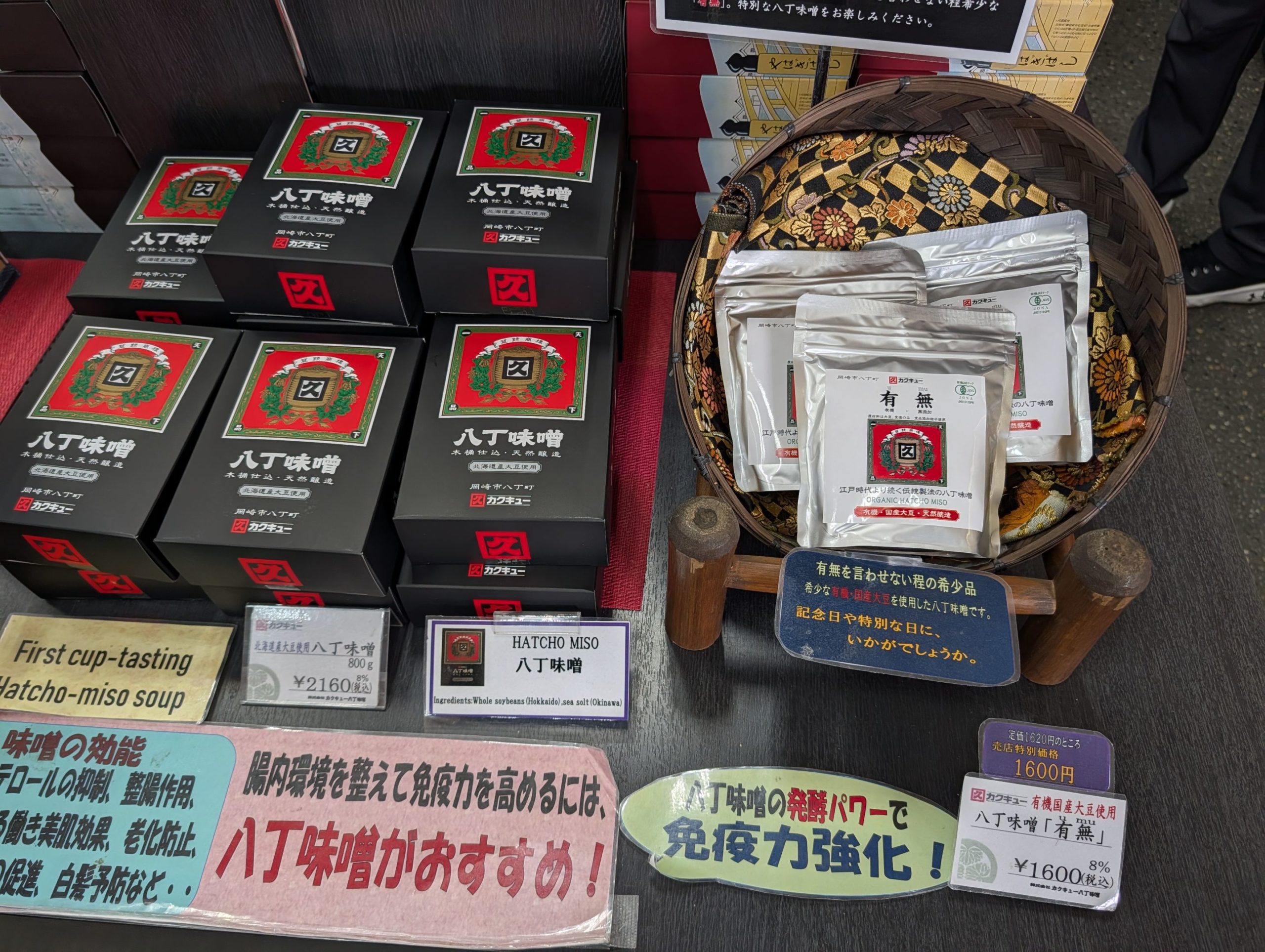
Generally, people say you shouldn’t boil miso because it loses its flavor, but Haccho Miso is delicious even when simmered. That makes it perfect for dishes like Miso Nikomi Udon, Dote Nabe, and Miso Oden. Aha, so that’s why there are so many dishes like that in this region! Plus, it has a unique richness, so you can add it to curry or demi-glace sauce, or even to vanilla ice cream or anko (sweet bean paste) to give it a caramel or brown sugar flavor. It seems it can be used in various desserts too. If you’ve ever used Haccho Miso, you know it’s quite firm and hard to dissolve, but recently, Haccho Miso powder, made using a freeze-drying method, has become available, making it easier to use and expanding its culinary versatility.
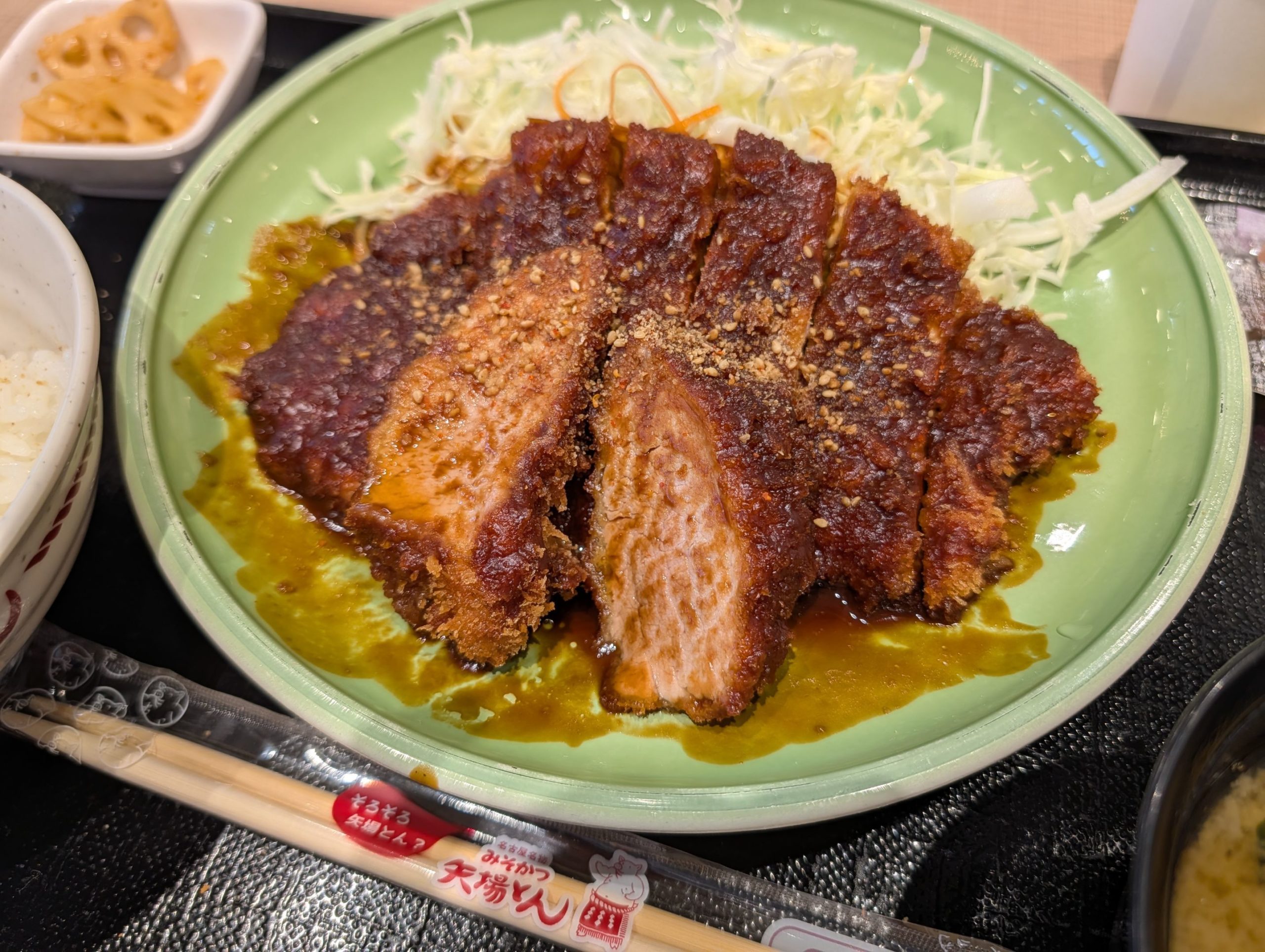
Inspired by the delicious aroma of miso, I stopped by the Okazaki outlet mall on my way home, and since Yabaton was there, I immediately ordered Miso Katsu. The \”Waraji\” size is a bit much, but I was happy to find a menu item that let me try both pork loin and fillet.

コメント