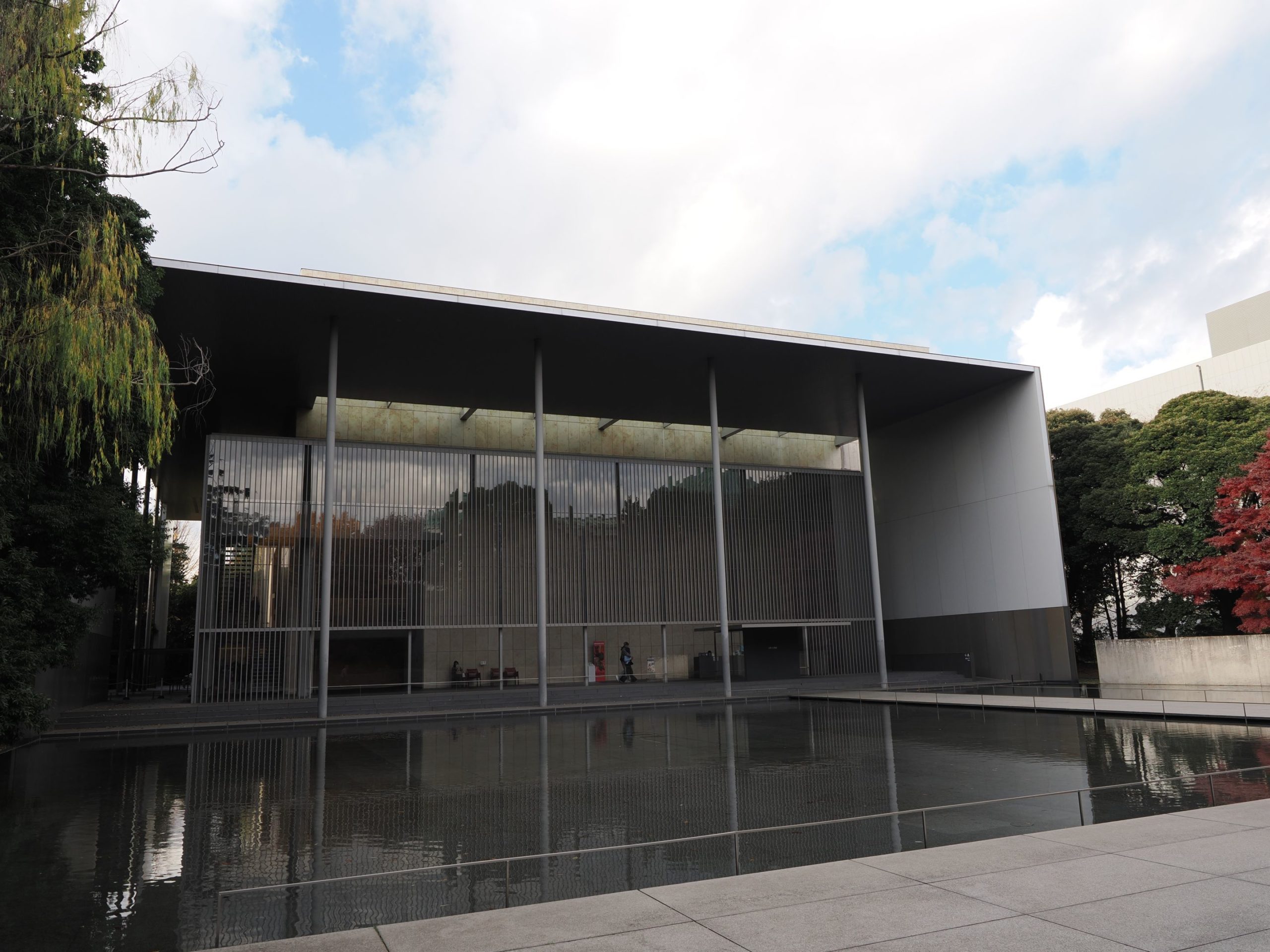
The Tokyo National Museum is one of my absolute favorite spots. Not only do they always have incredible special exhibitions that you just can’t miss, but their regular exhibits are huge and feature all sorts of planned displays too. Everything there is just amazing, and I honestly never get tired of visiting! Today, I decided to pop into the Horyuji Treasure Gallery to check out the Gigaku masks, 31 of which were designated as National Treasures all at once on September 26, 2025.
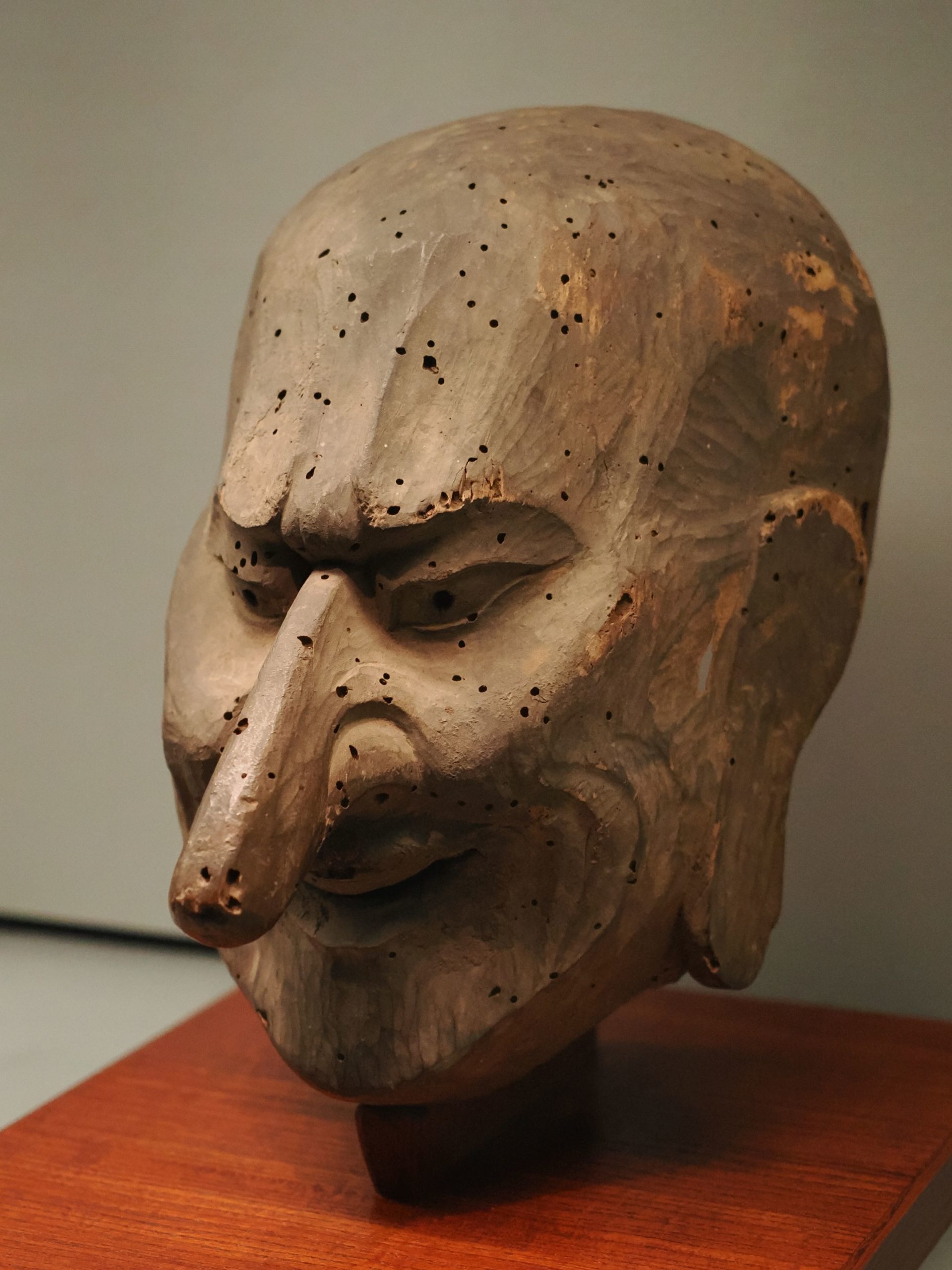
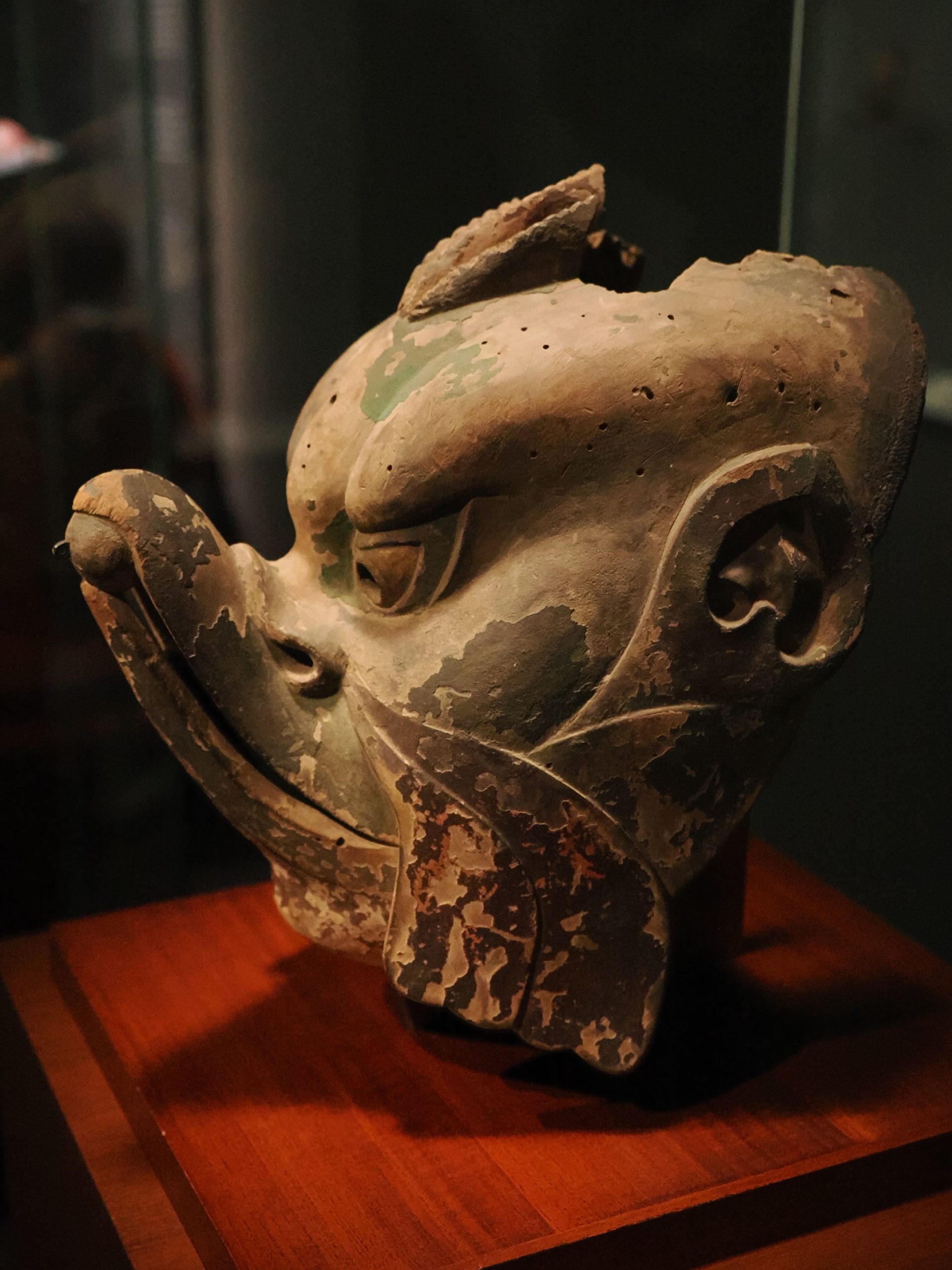
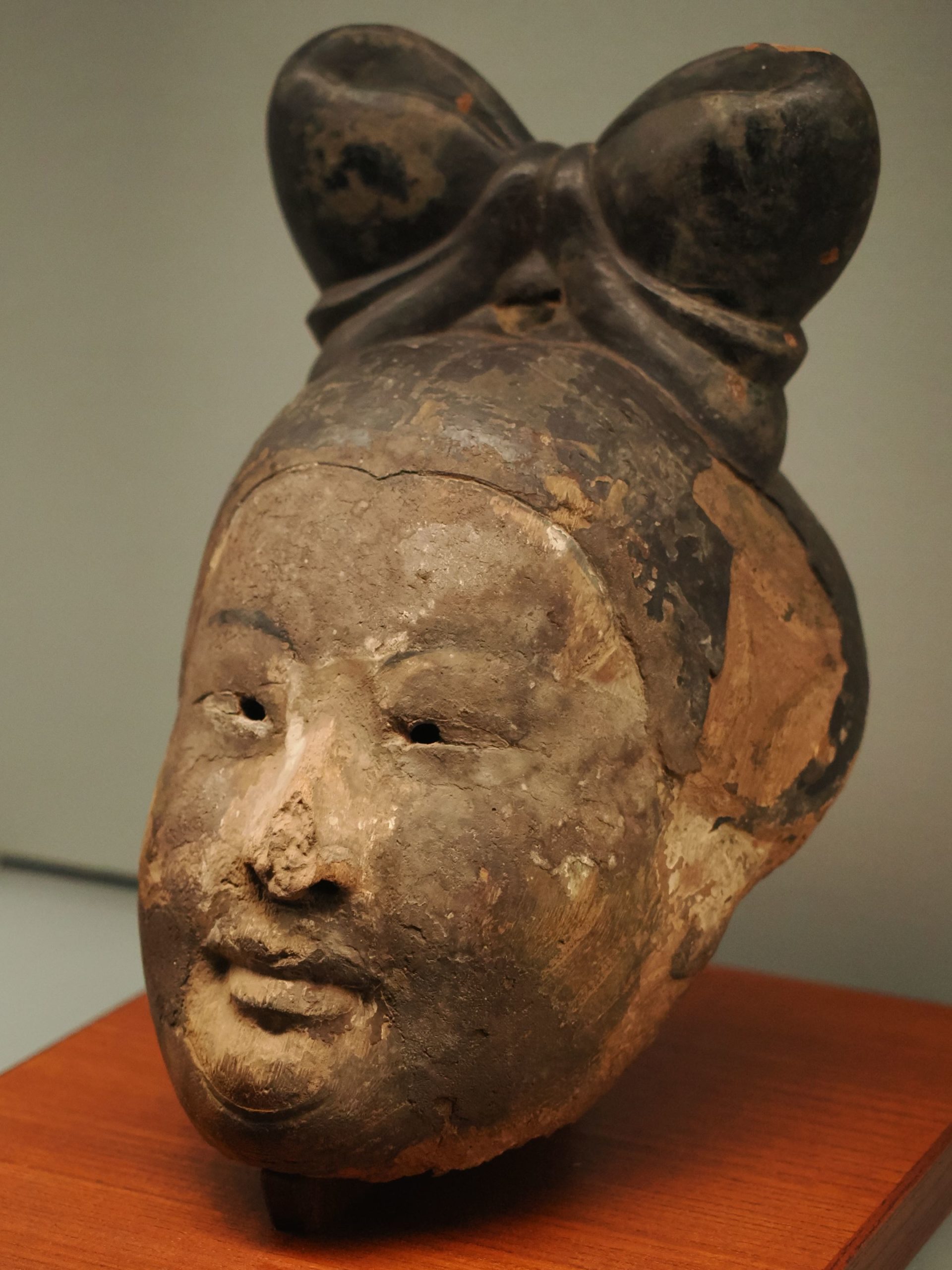
Gigaku originally referred to Buddhist music brought from the continent. In Japan, it came to mean a masked play performed at temples. It seems to have spread throughout various regions after Emperor Shomu dedicated many Gigaku masks to temples like Todaiji during the Nara period. Among the 200 masks passed down at Horyuji Temple, Todaiji Temple, and Shosoin, only those from Horyuji Temple include masks from the Asuka period. These oldest existing Gigaku masks were designated as National Treasures this time.
The ones I was curious enough to photograph (yes, you can take pictures here!) are, from top to bottom: “Gigaku Mask: Suikoju (unfinished)”, “Gigaku Mask: Karura”, and “Gigaku Mask: Gojo”. Although the specific contents of Gigaku plays aren’t fully understood, apparently, only the names of the roles are known from historical documents.
It’s surprising how well these wooden pieces have been preserved! To ensure their continued preservation, the exhibition is open year-round, but only on Fridays and Saturdays.
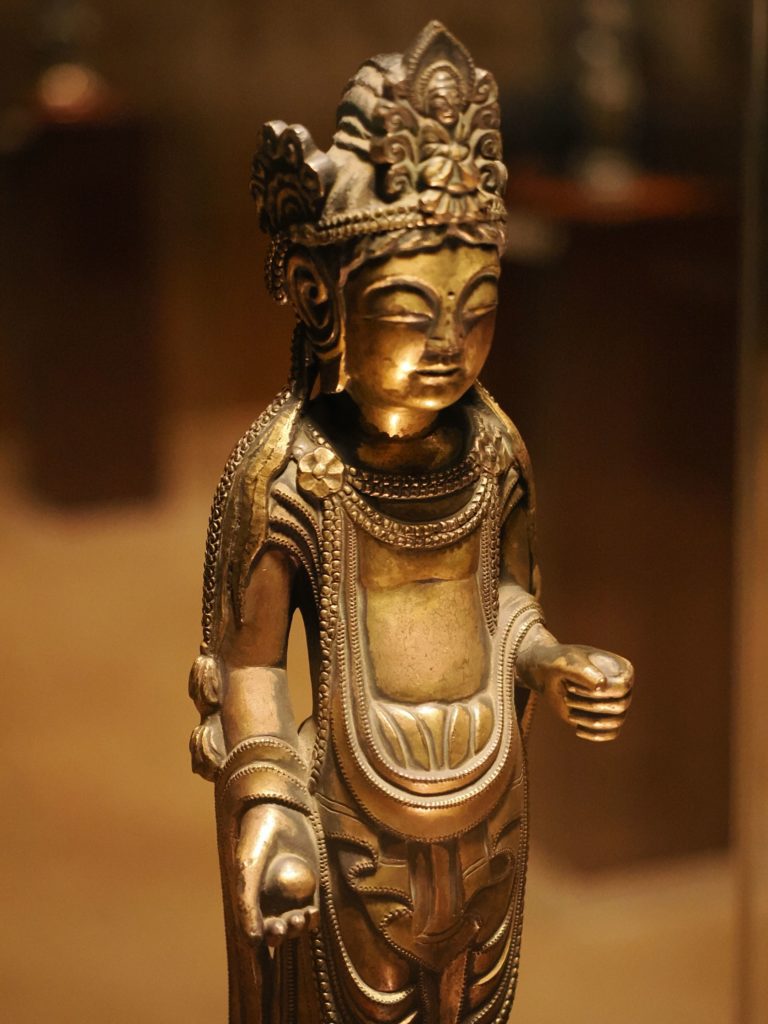
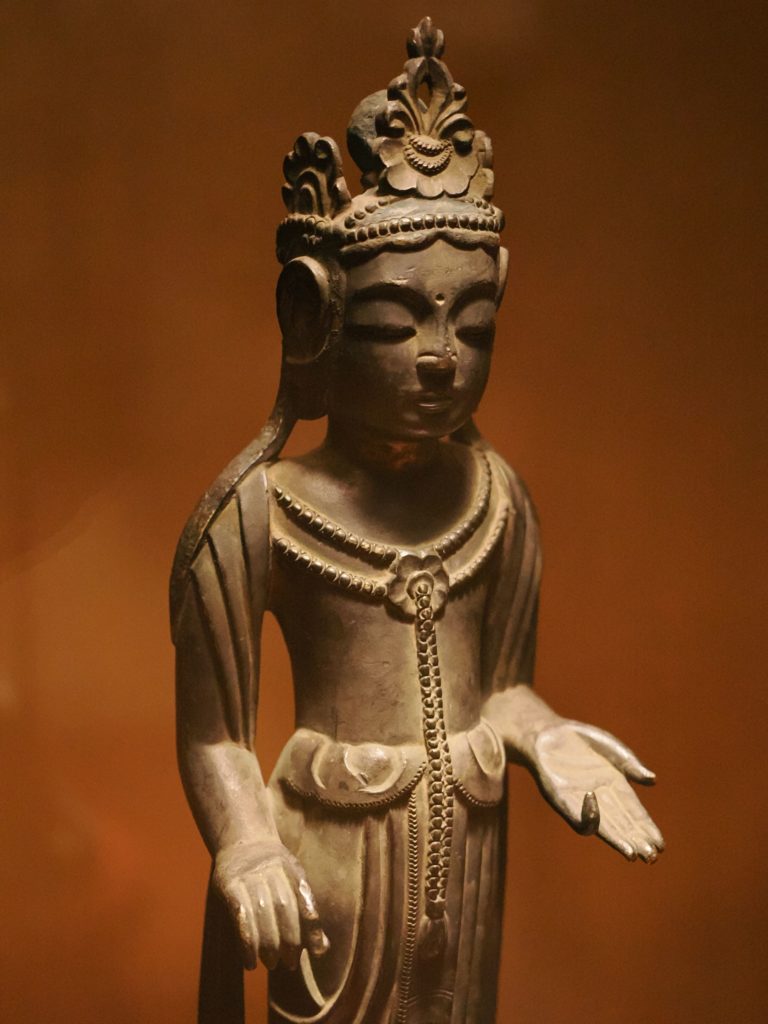
On the first floor of the Horyuji Treasure Gallery, where the Gigaku masks are displayed, there are over 50 gilt-bronze Buddhist statues, most of which are Important Cultural Properties. Just looking at their gentle gazes and soft body lines makes me feel so peaceful.
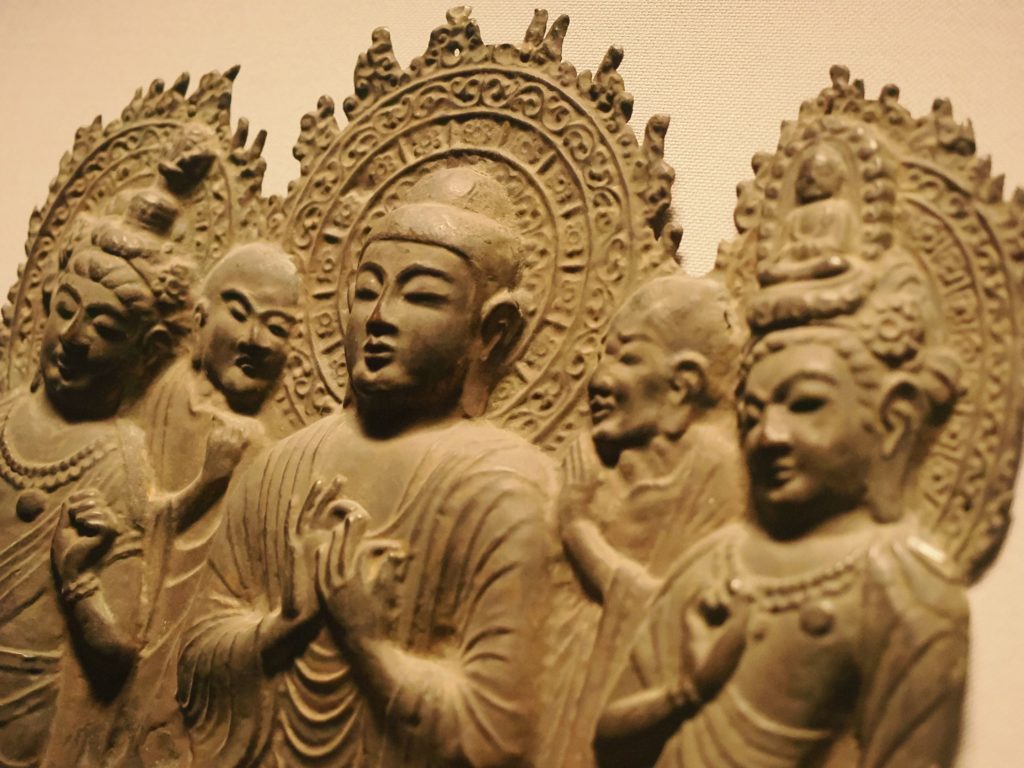
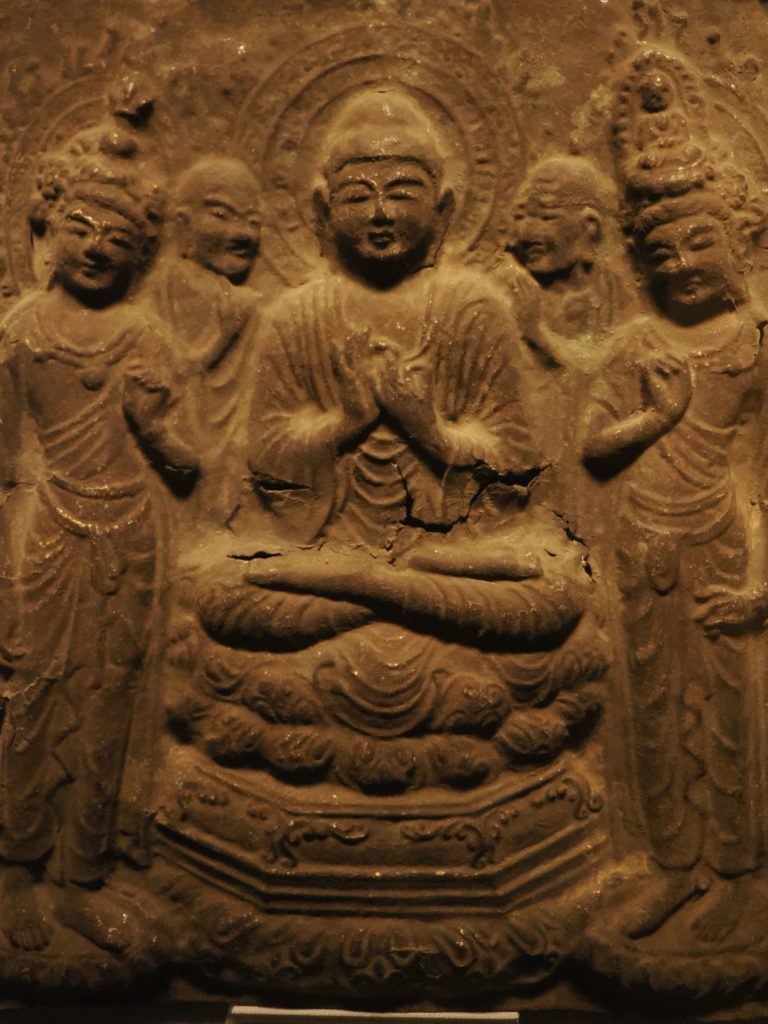
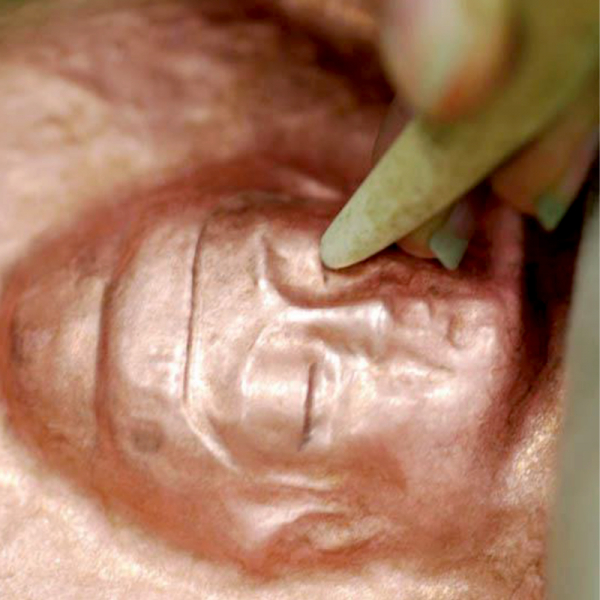
These are called Oshidashi-butsu, thin Buddha statues created by hammering a copper plate onto a mold to impress the shape. They are incredibly intricate, and I’m always amazed by the high level of craftsmanship from that era. The process is shown below, but it’s hard to believe such delicate works could be made using just this method.
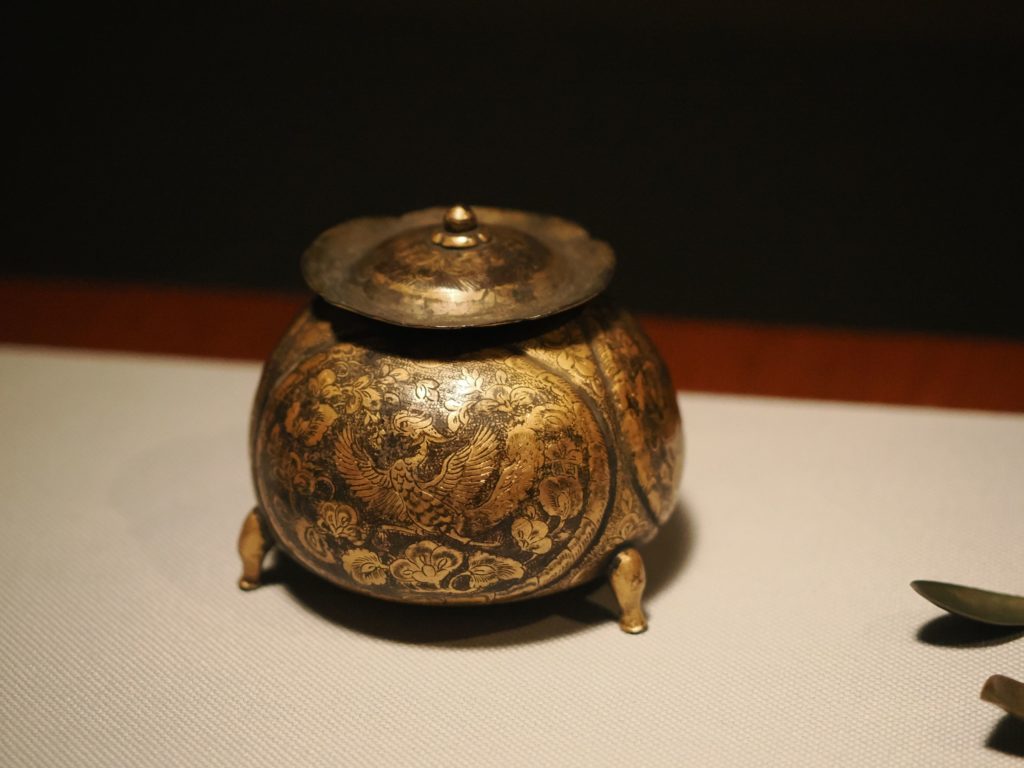

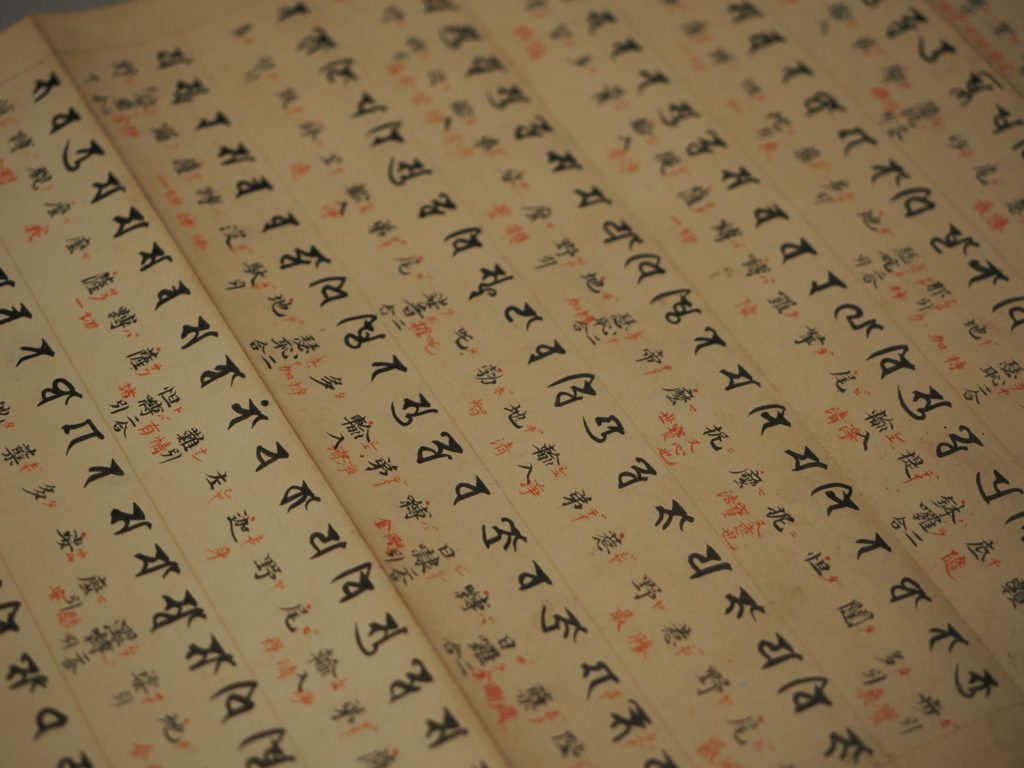
The second floor of the Horyuji Treasure Gallery also hosts various exhibitions, including National Treasures. The metalwork pieces, in particular, are incredibly elaborate and beautiful – they really captivated me! This Horyuji Treasure Gallery is a fantastic spot because it’s always less crowded than other parts of the Tokyo National Museum, allowing you to take your time and truly appreciate the exhibits, including those amazing National Treasures. I totally recommend it!


コメント