
My Swedish friends came to Japan for about a month from June to July, and we climbed Mt. Fuji together. But they told me how much they really enjoyed hiking the Nakasendo trail from Narai-juku to Yabuhara-juku before the Fuji climb.
Huh? Narai-juku, okay, but Yabuhara-juku? And they walked the Nakasendo?
I was really curious about that. Knowing they’re not big fans of crowds, Yabuhara-juku is the kind of place even I, a Japanese person, would think “Where’s that?” and wouldn’t even consider hiking. So I figured they must’ve really enjoyed it. But I wondered how they even found out about it, and what they liked about it, so I decided, “Okay, I’ll go walk it myself!” (Though due to my schedule, I decided to hike up from Yabuhara-juku to Narai-juku.) Lol.
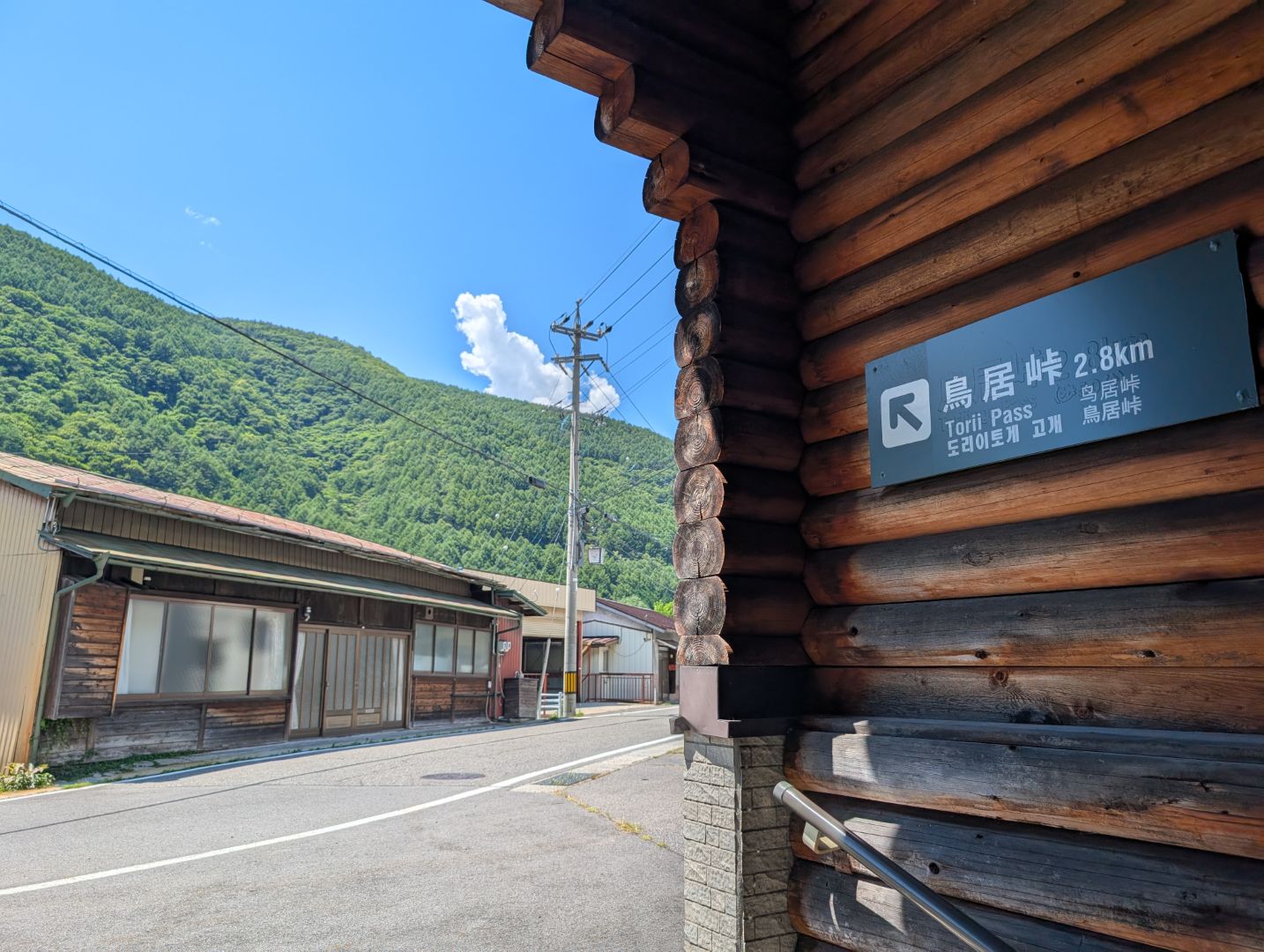
To get from Yabuhara-juku to Narai-juku, you have to cross Torii Pass. This section, including the pass, is said to be the most challenging part of the Kiso Road on the Nakasendo. That being said, the path is well maintained, and I think the roughly 6-kilometer route over the pass is totally doable even for beginners.
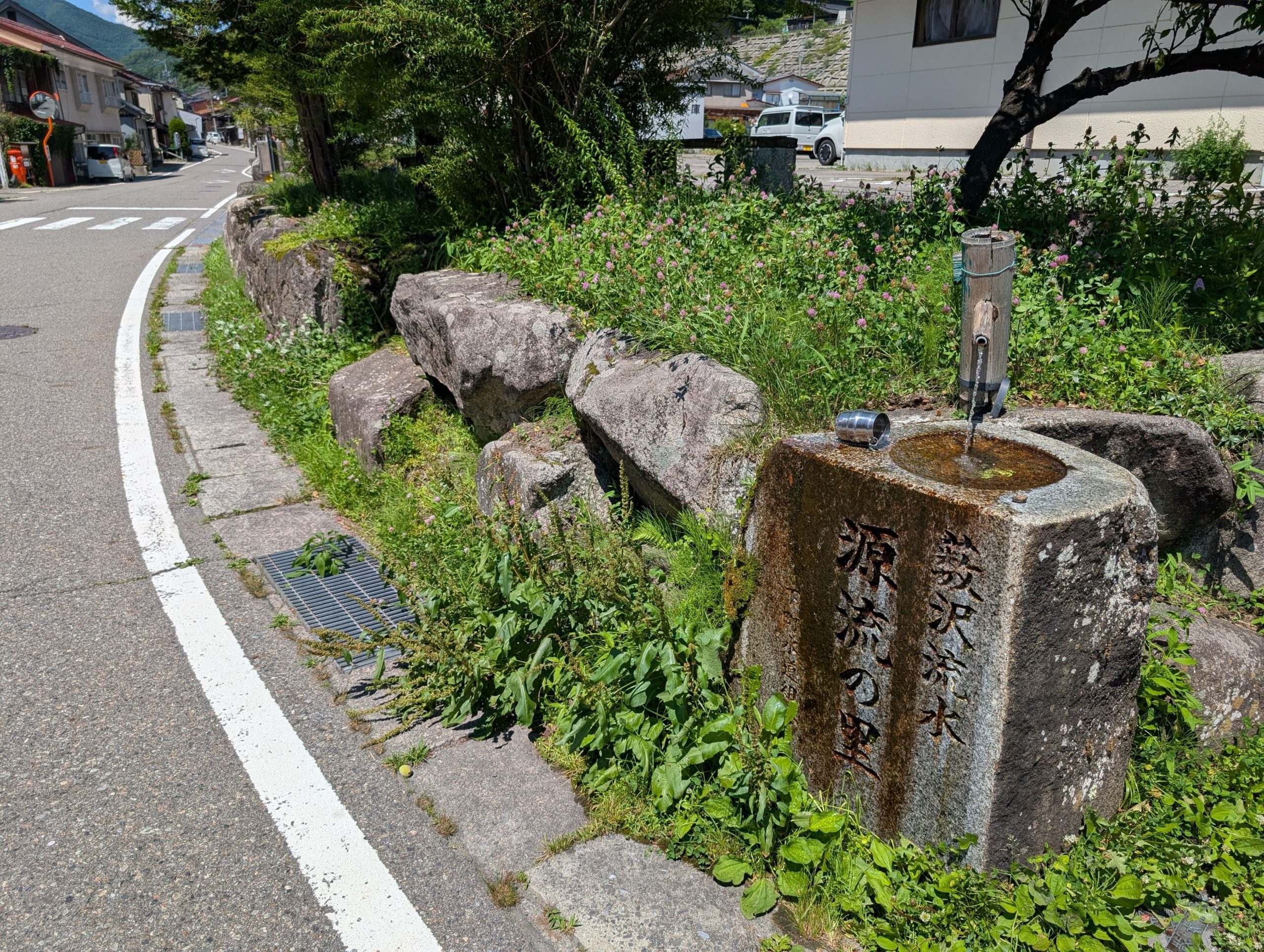
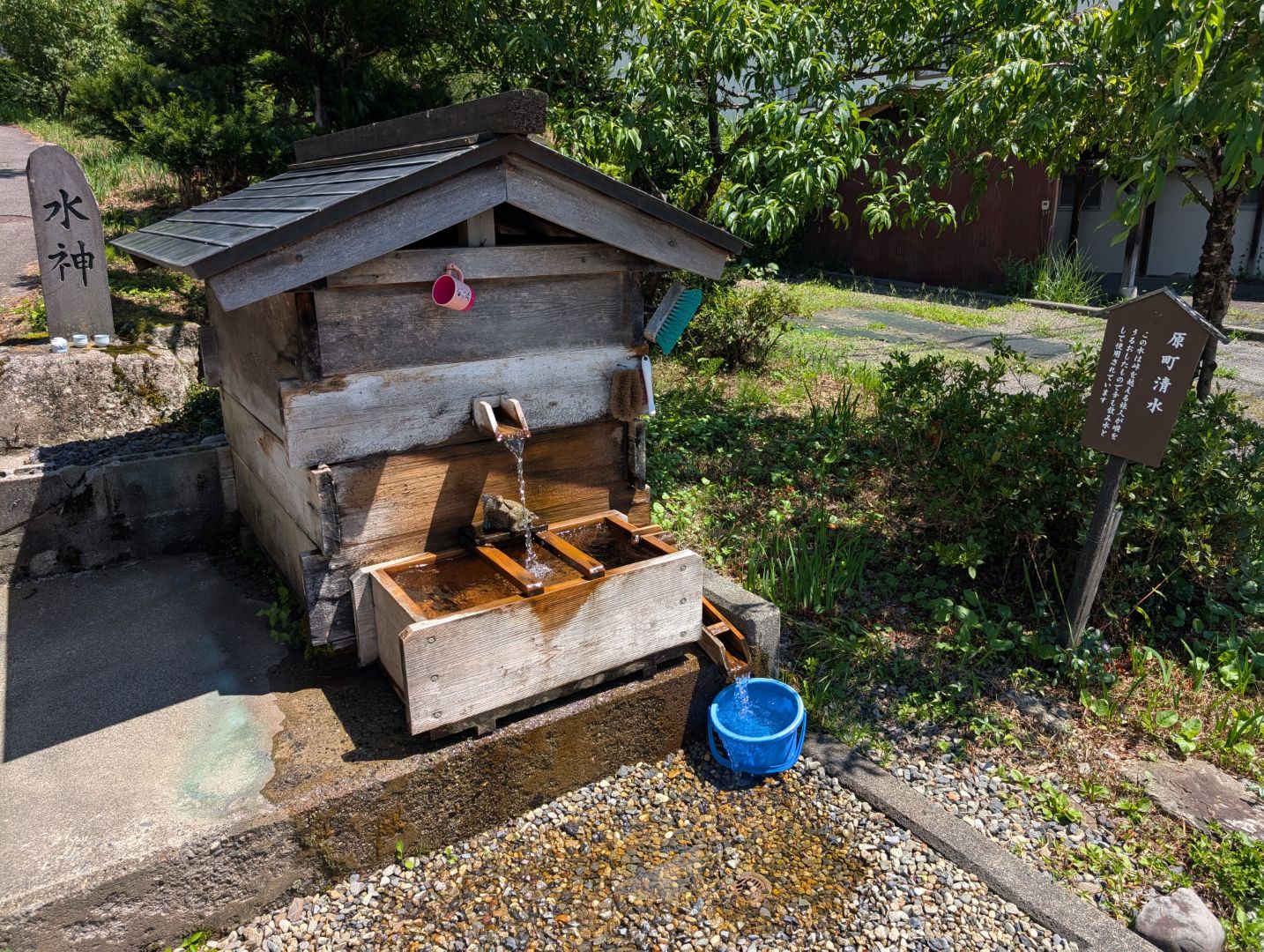
It was a really hot day, but there were two spots where fresh spring water was gushing out on the mountain path from Yabuhara-juku to Torii Pass. It was such a relief to cool my flushed face and arms with the cold water.
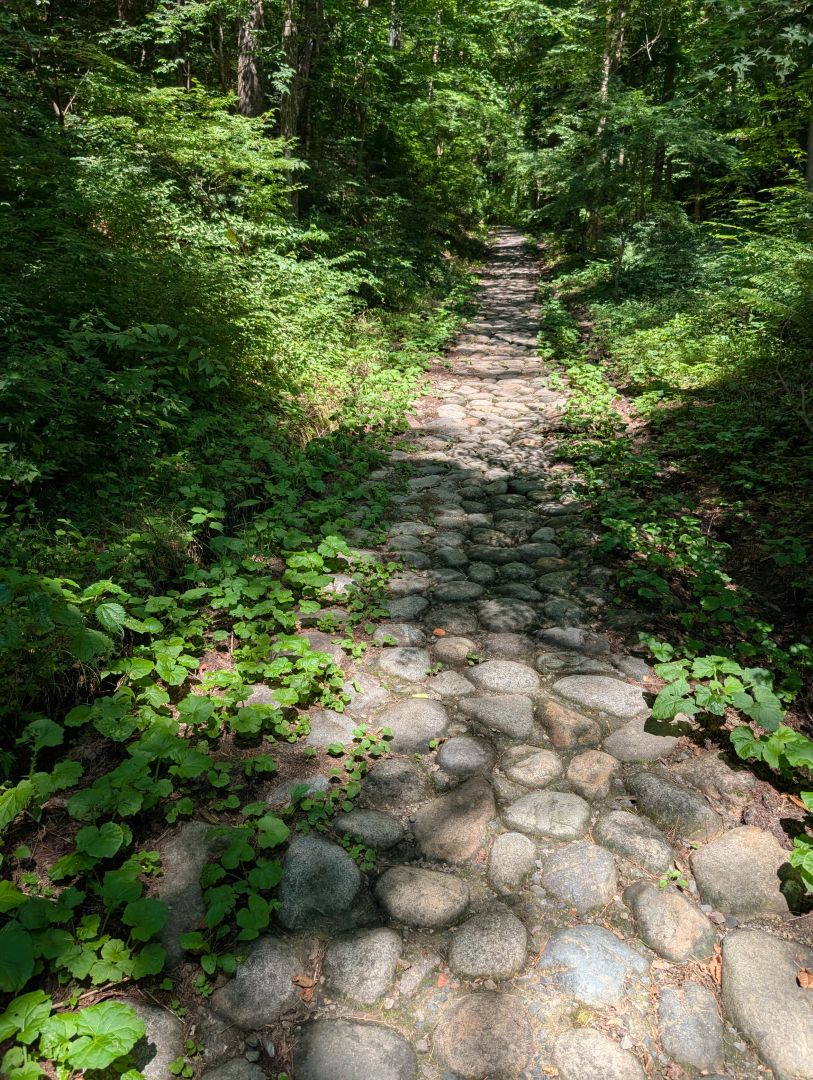
After walking for a while from Yabuhara-juku, we finally entered the tree-covered mountain path. The cobblestone path continued, giving me a real sense of the highway’s history. A sign at the entrance said bears appear here, which gave me a bit of a start. I was just thinking of it as a simple walk along the old road, so I hadn’t brought a bear bell with me…
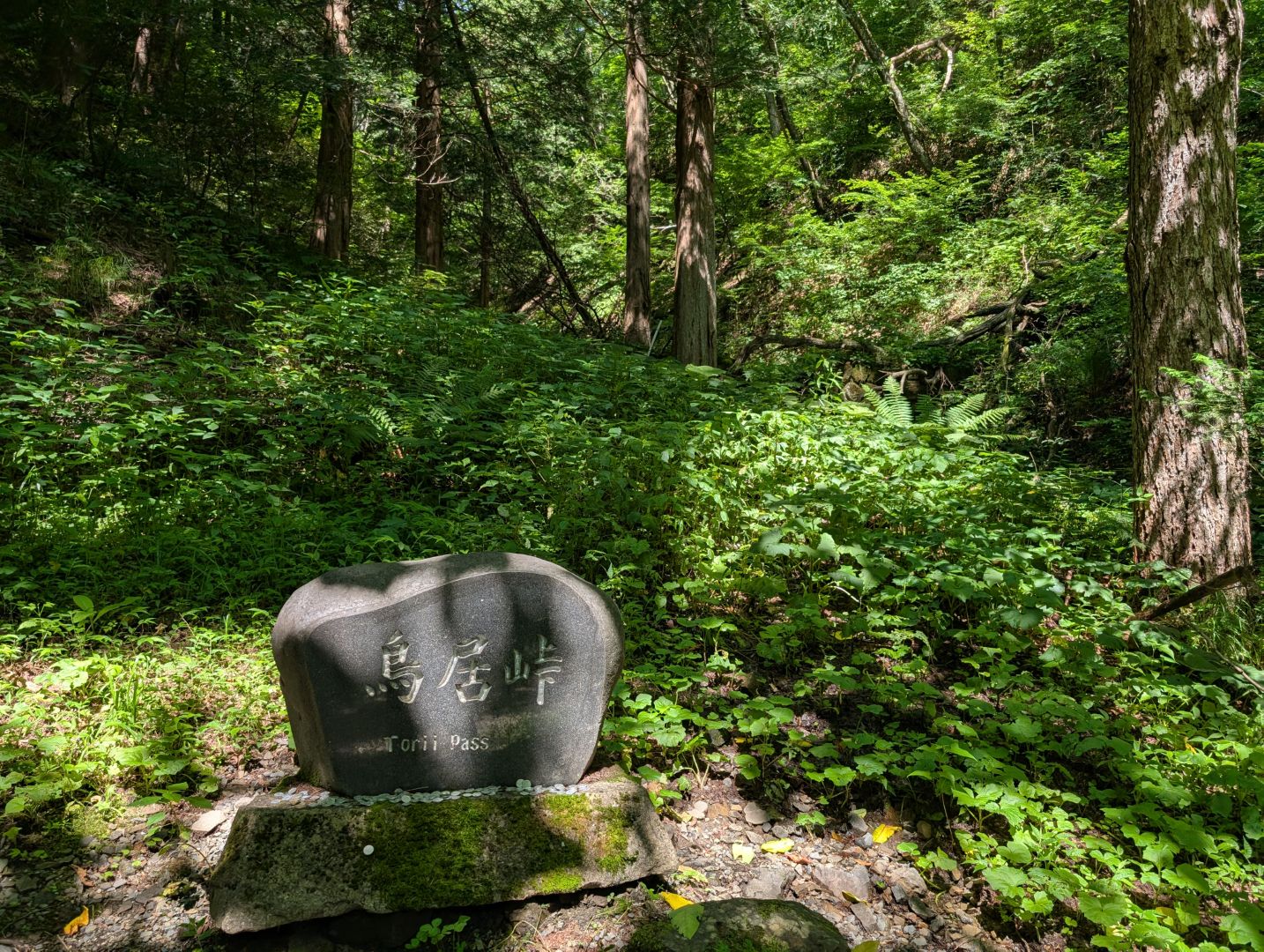
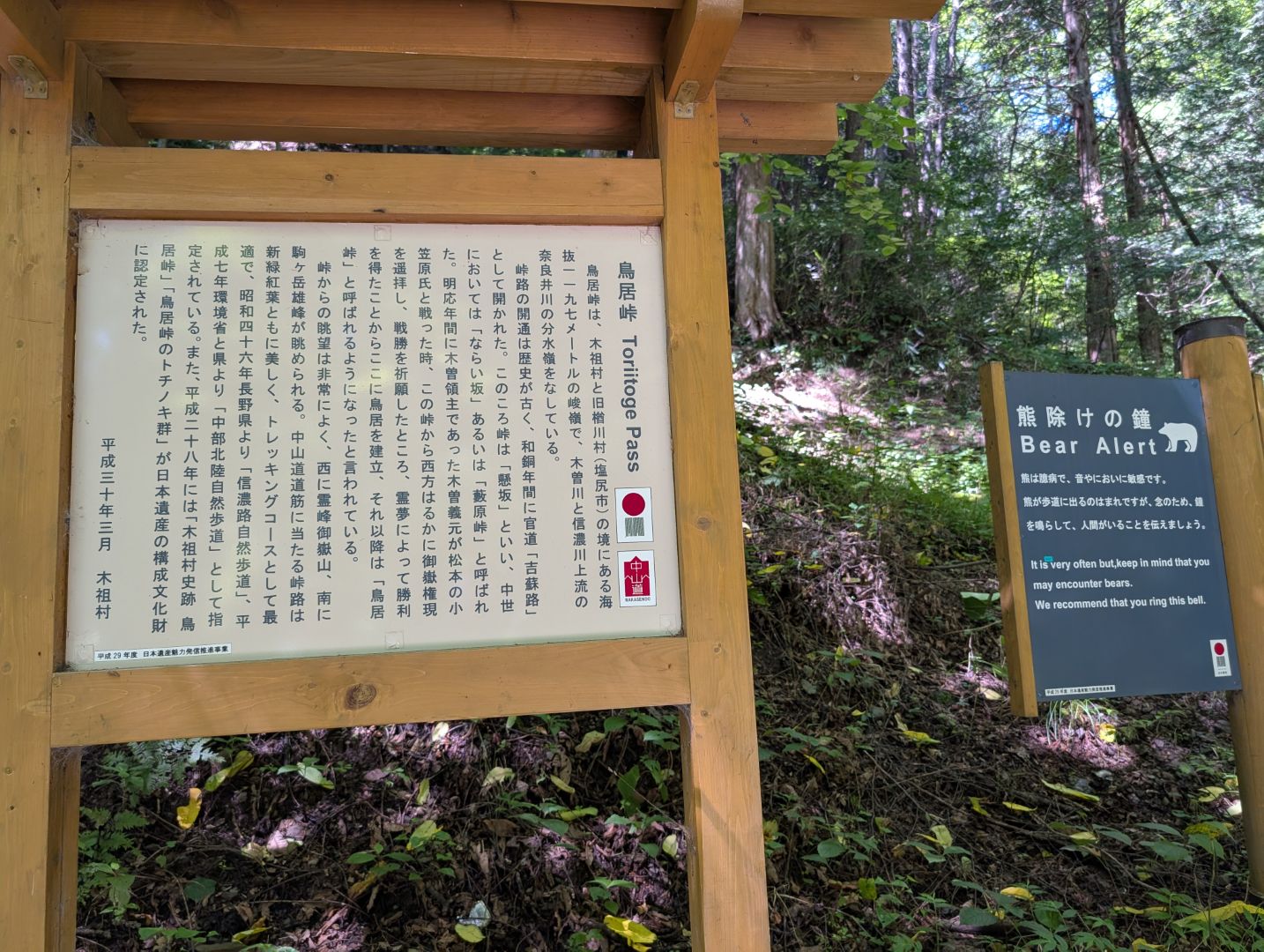
Torii Pass is a mountain pass at an altitude of 1,197 meters, serving as a watershed divide between the Kiso River and Narai River. Legend has it that Kiso Yoshimoto worshipped Mt. Ontake (Ontake Gongen) from this pass and prayed for victory in his battle against Ogasawara City. After his victory, he erected a torii gate here, and ever since, it has been known as Torii Pass.
I hadn’t brought a bear bell with me, but fortunately, there were several bear-deterrent bells like the one in the photo along the way, so I happily rang them as I went.
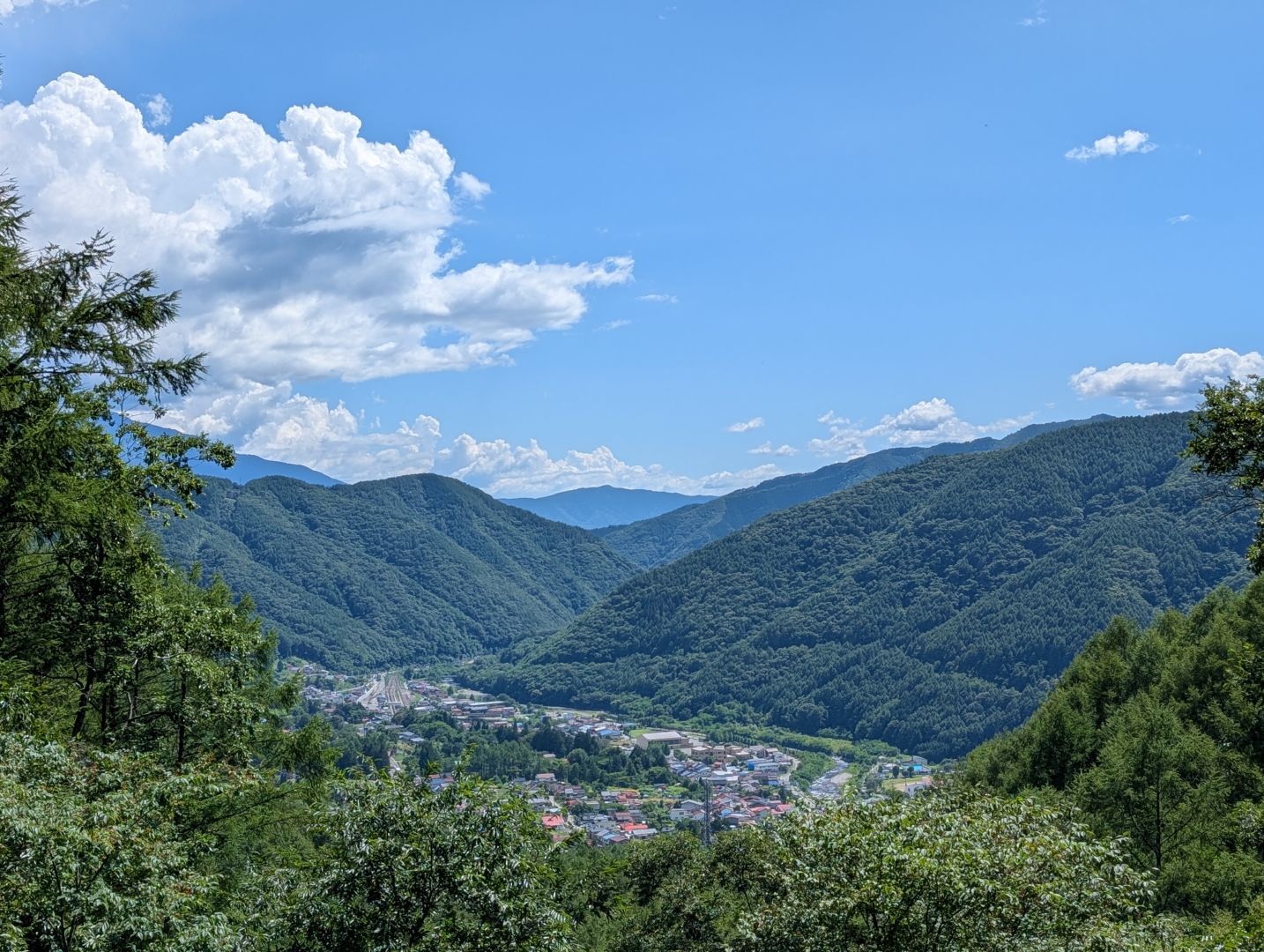
The path from Yabuhara-juku to Narai-juku doesn’t offer many great views, but at the first spot where the view opened up, I could see Yabuhara-juku, my starting point, stretched out below.
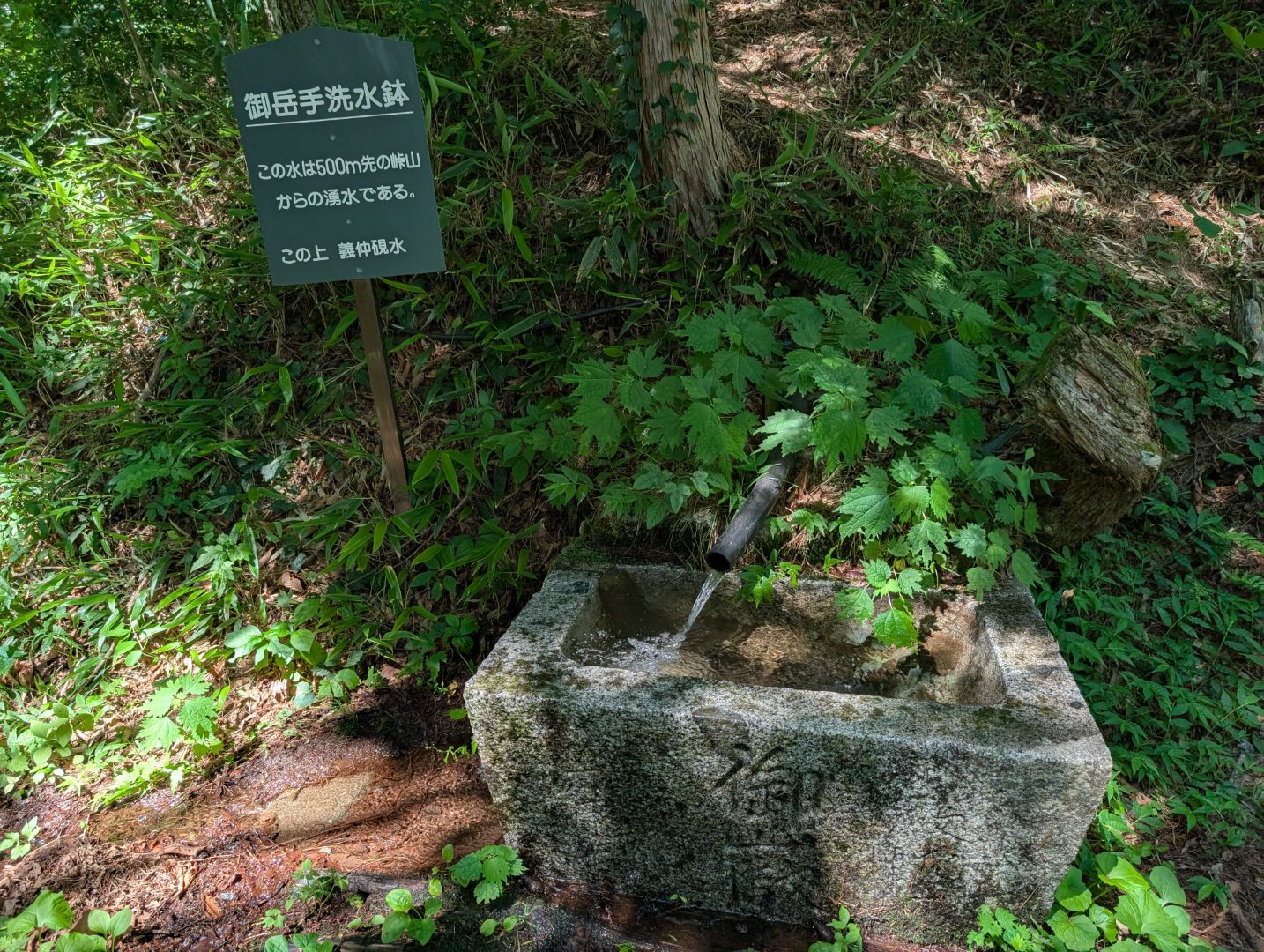
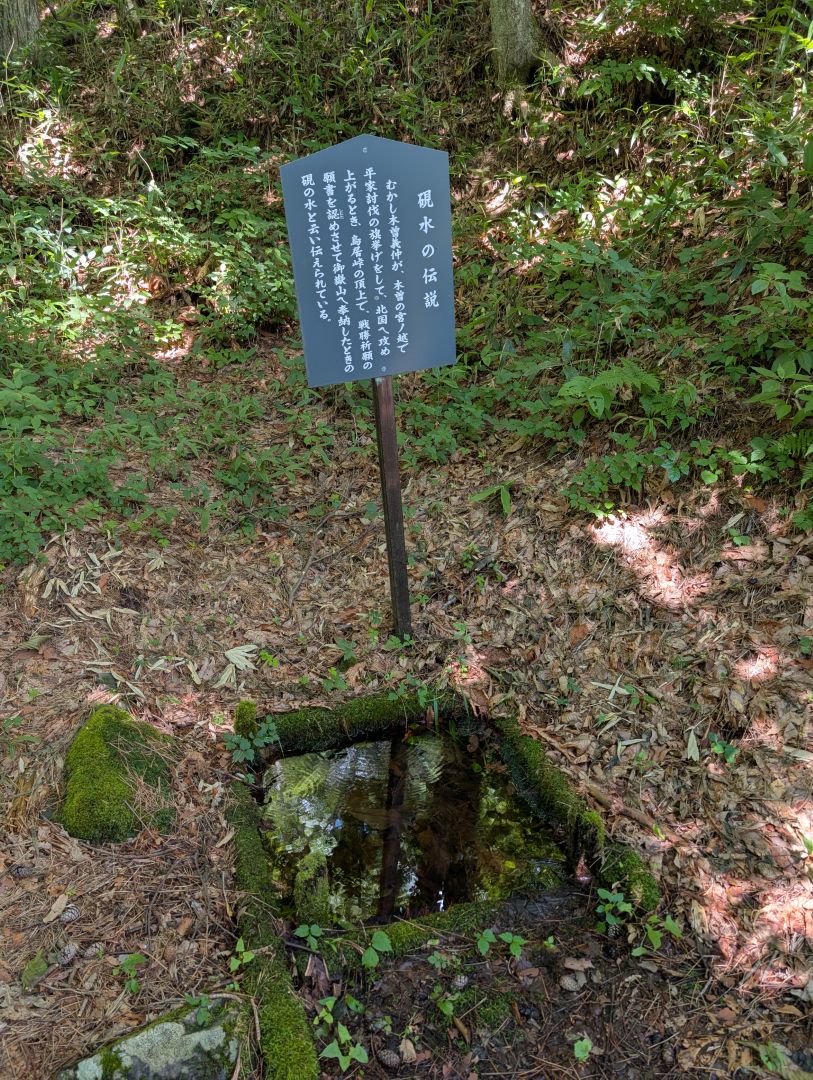
The Mitake Te’arai Mizubachi (Mt. Ontake Handwashing Water Basin) near Ontake Shrine brought me back to life, allowing me to cool down when the intense heat was draining my energy. Low-mountain hiking in hot weather really requires extreme caution…
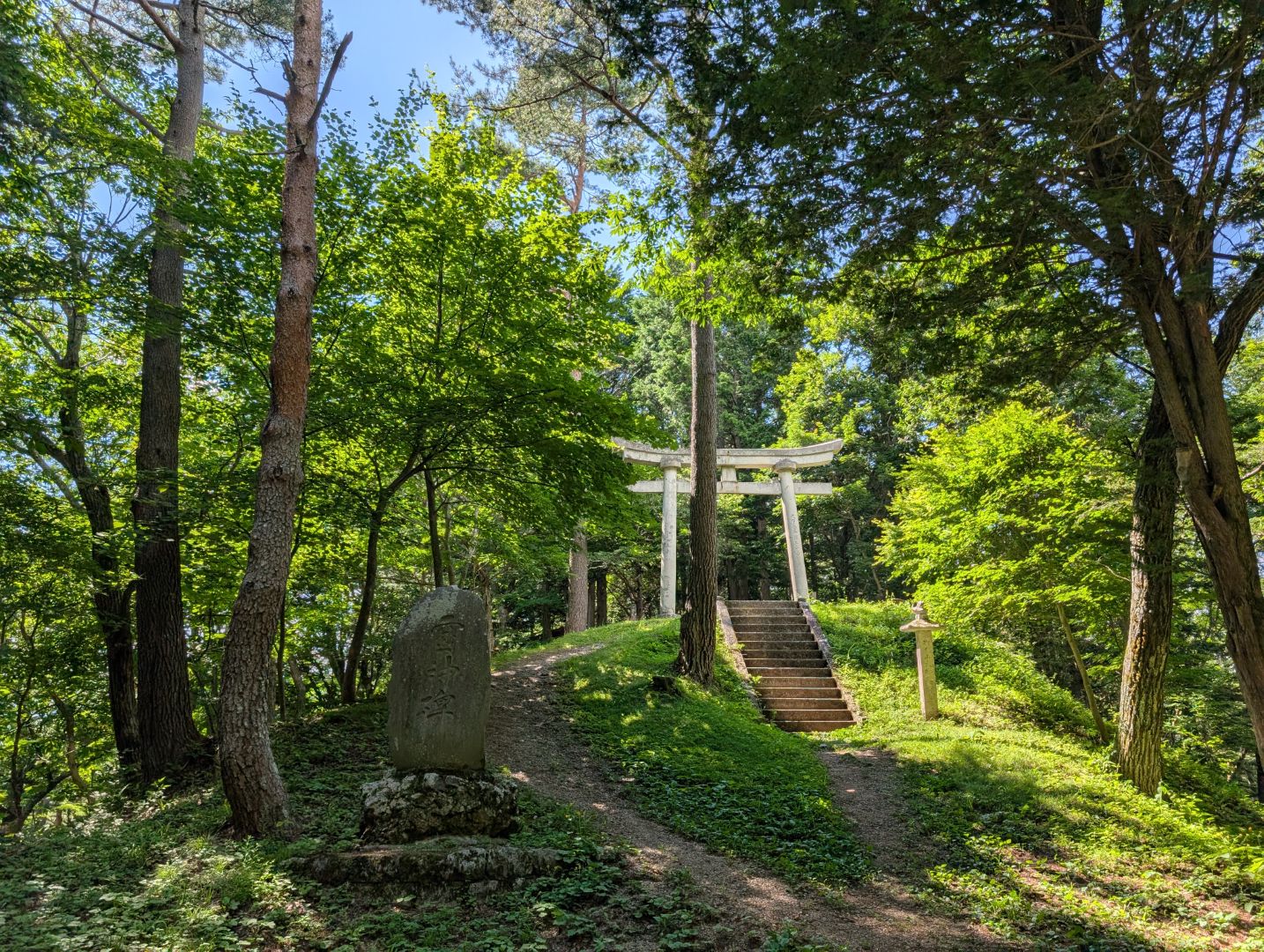
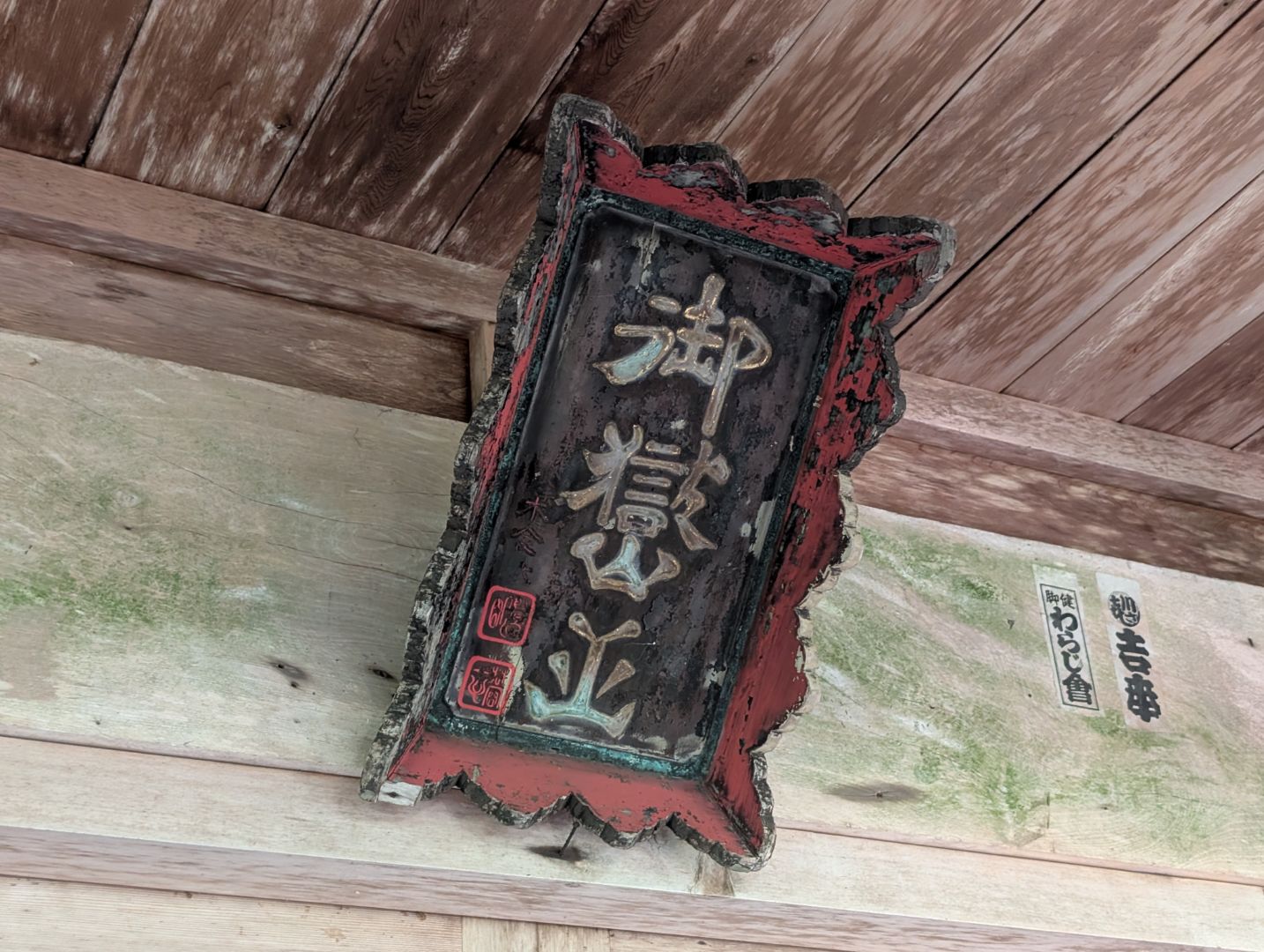
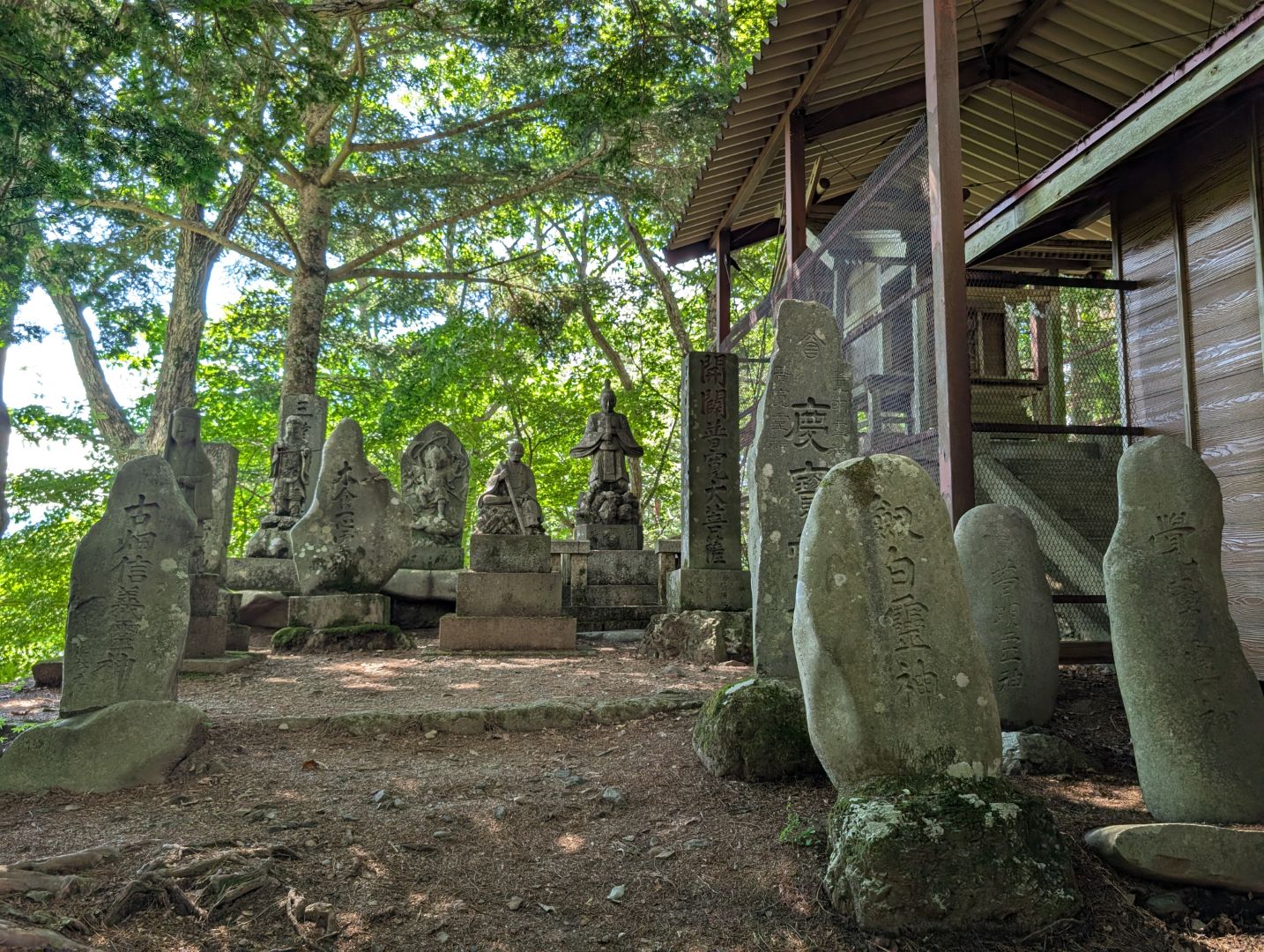
The trees were so dense that I couldn’t see Mt. Ontake at all, but Ontake Shrine stood quietly in that spot, giving me a bit of a chilling sensation.
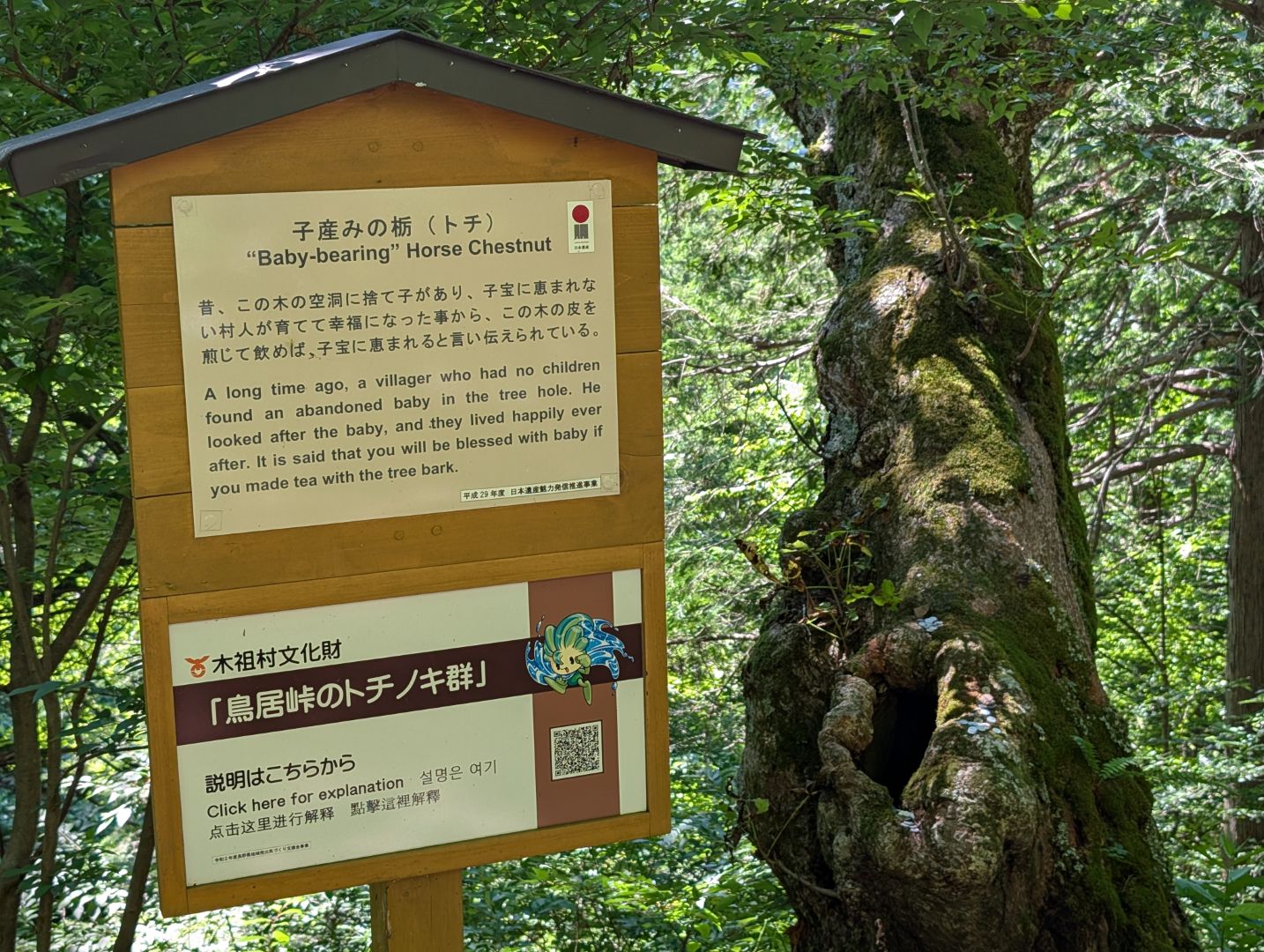
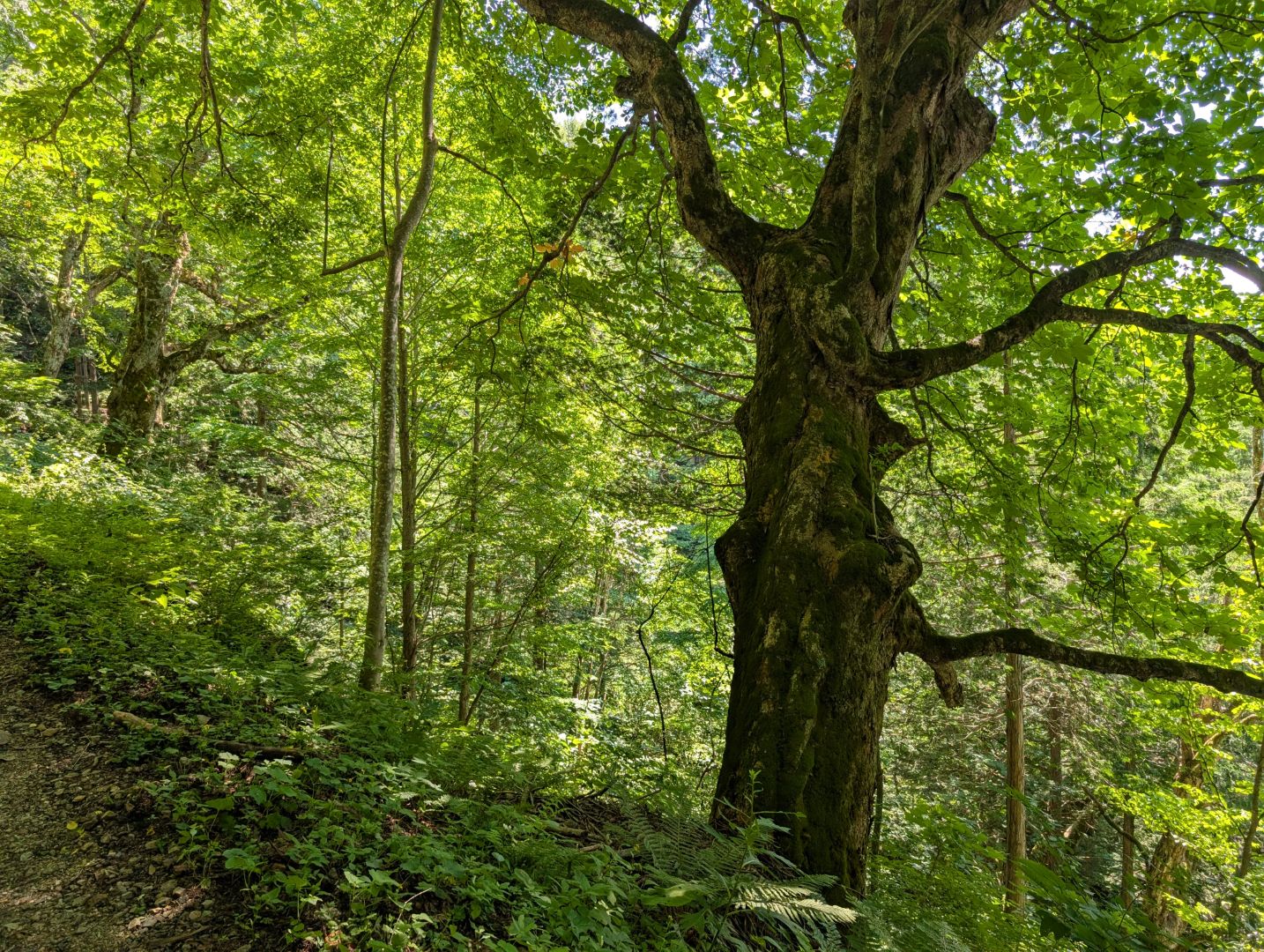
It’s hard to convey their size in photos, but there are several really huge horse chestnut trees at Torii Pass, and just around this area, the atmosphere was different from the rest of the forest. I’ve always pictured horse chestnut trees near shrines or in villages, so seeing them growing in a natural mountain setting like this felt like a first for me.
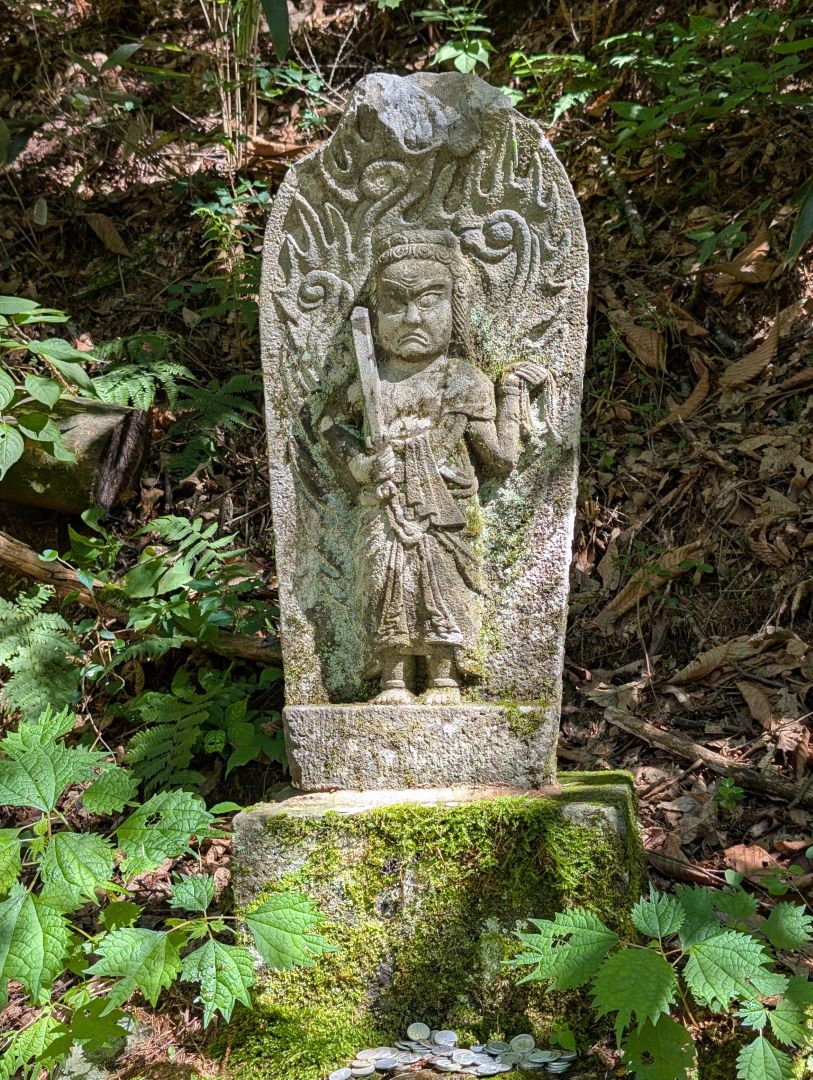
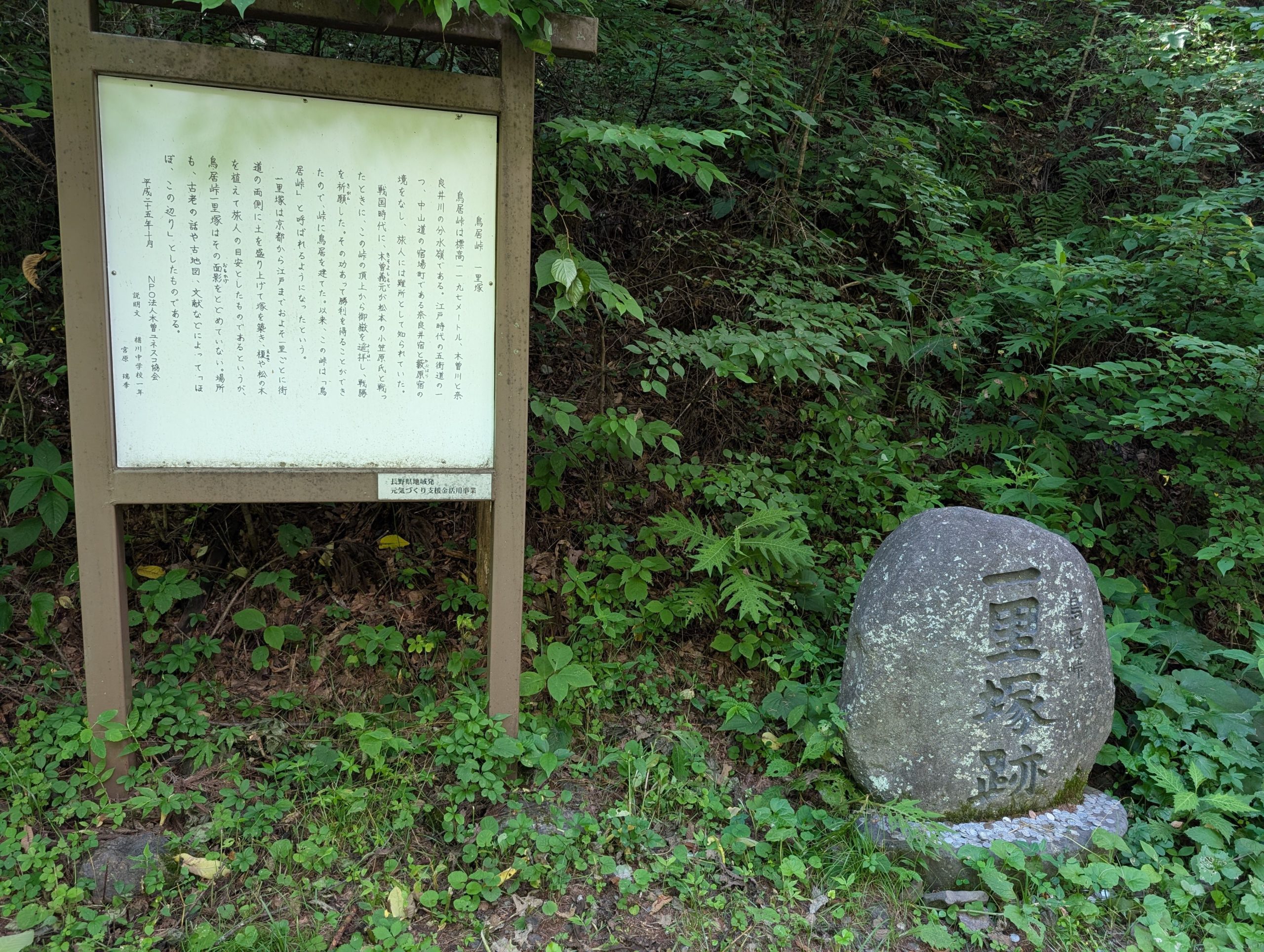

There were many intriguing stone Buddhas and monuments along the way. The last stone monument seemed to read, “Nakasendo: Ascend Torii Pass, Descend Narai-juku.”
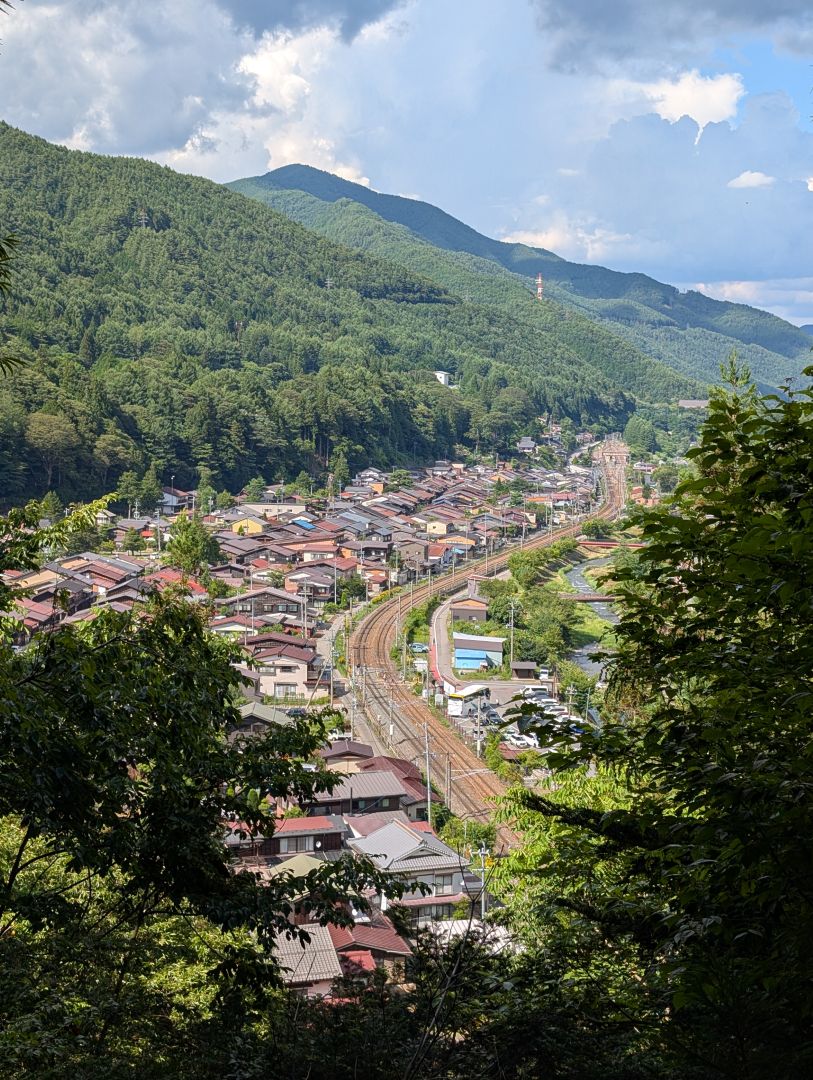
I mentioned there weren’t many great viewpoints, but there was one more spot with an amazing view where you could see all of Narai-juku. You get this view just a little bit after crossing Torii Pass, so I couldn’t help but wonder if travelers in the old days felt a sense of relief when they saw this landscape too.
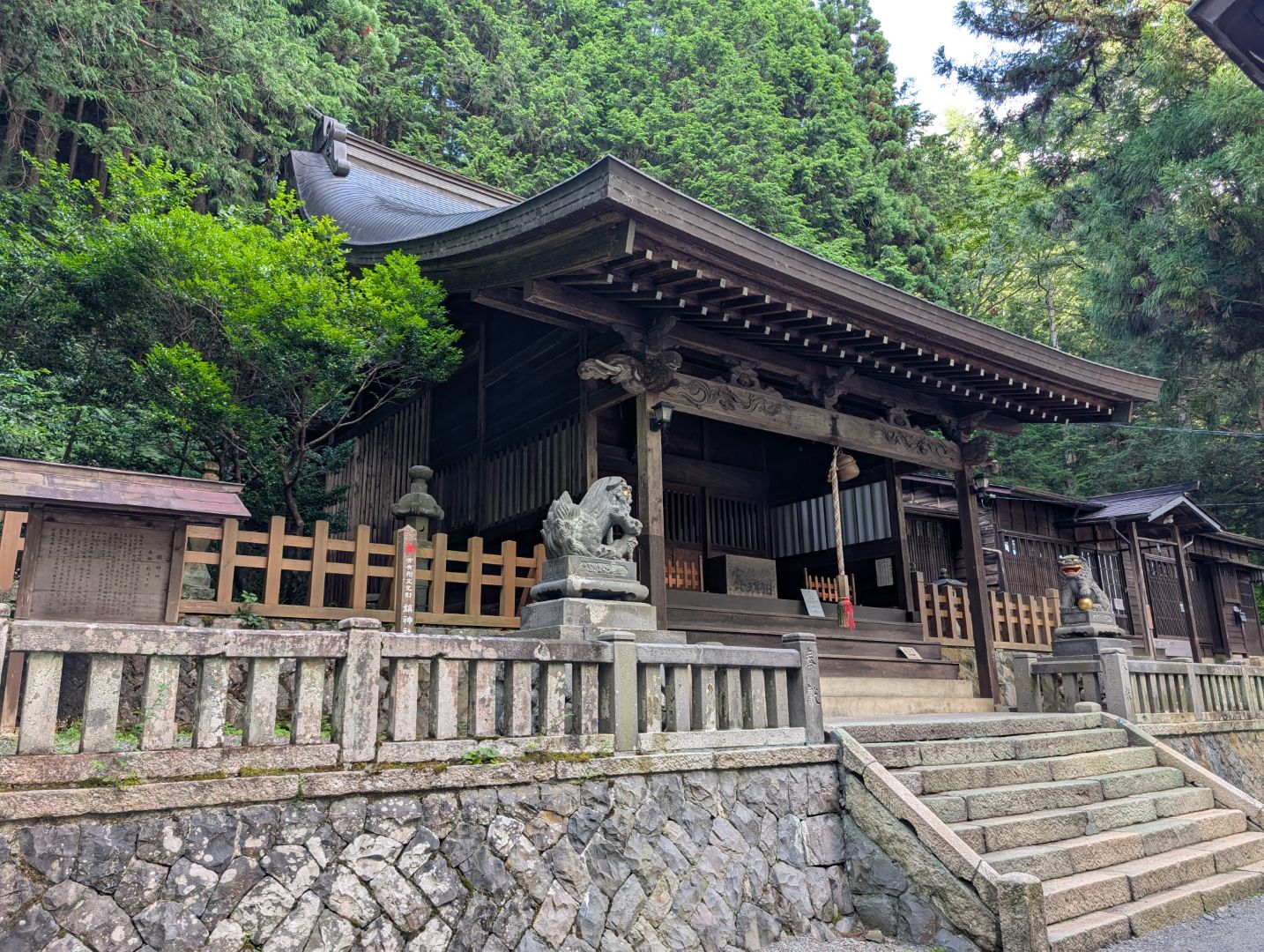

Finally arriving at Narai-juku! From Chin Shrine, located on the western edge of Narai-juku, a familiar scene of the town unfolded, and I felt a great sense of relief, like “Ah, I’ve finally made it!”
So, regarding the initial question: why did my Swedish friends decide to walk this route? Well, having actually walked it myself, here’s what I felt:
- Hardly any tourists walk this route, allowing for a peaceful stroll along a historic highway.
- The downhill hike from Narai-juku to Yabuhara-juku, despite crossing a mountain pass, is a safe hike of just under 6 kilometers.
- Compared to Narai-juku, which is popular with foreign tourists, you also get to see Yabuhara-juku, which is less known, and explore a post town that hasn’t been overly commercialized.
That’s what I gathered. As someone living in Japan, it makes me happy to see people take an interest in places like these.

コメント