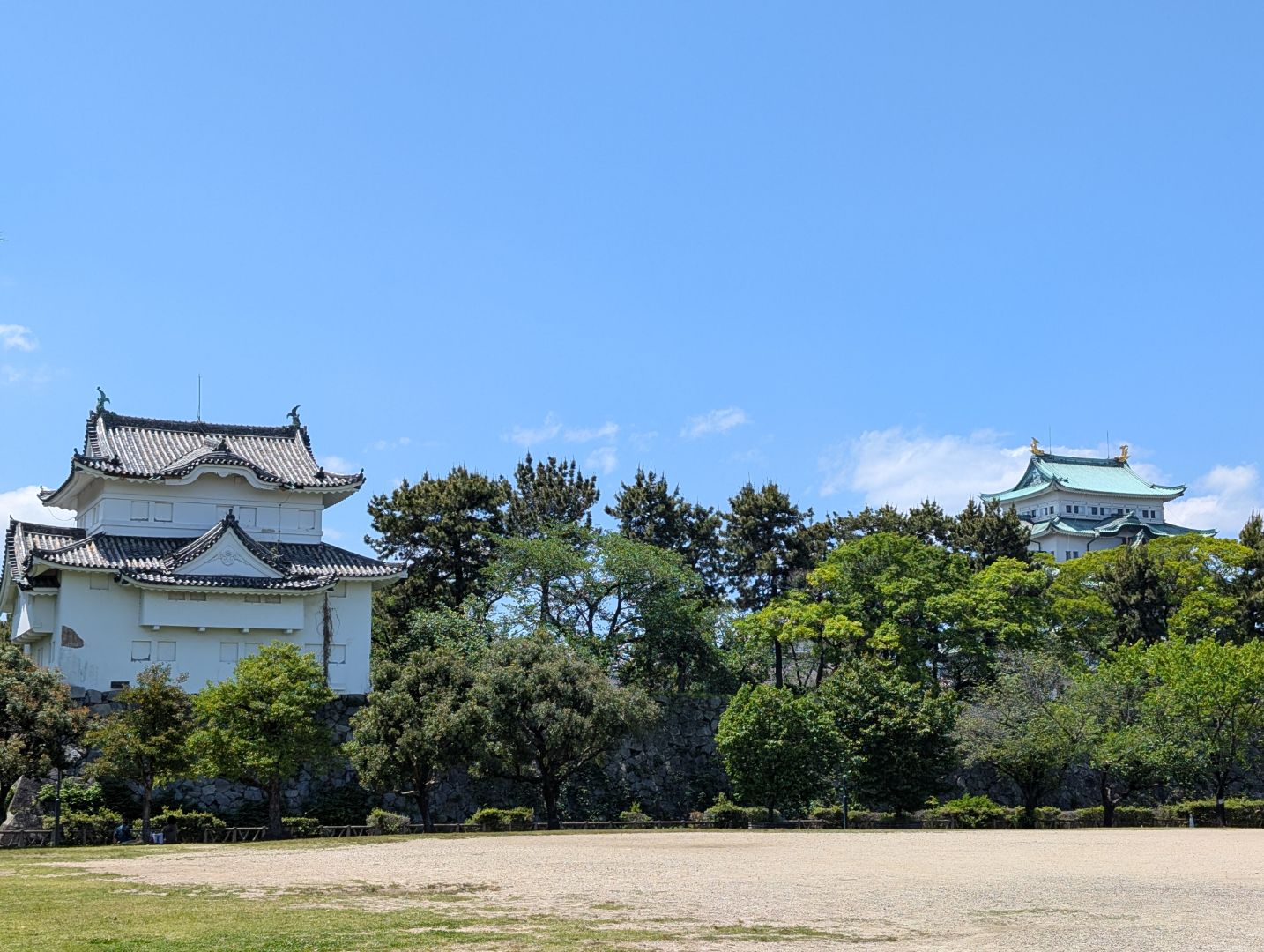
My family wanted to visit Nagoya, so we took a relaxed stroll around the city after a long time. They specifically wanted to see Nagoya Castle, but other than that, we didn’t have any fixed plans. My family traveled from Tokyo to Nagoya, and I came from Hamamatsu, meeting up there. After exploring Nagoya, I headed back to Hamamatsu.
We arrived at Nagoya Station around noon without any specific plans, and wow, it was packed! Probably because it was the middle of Golden Week. We thought about grabbing lunch at one of the station restaurants, but every single place had a massive queue.
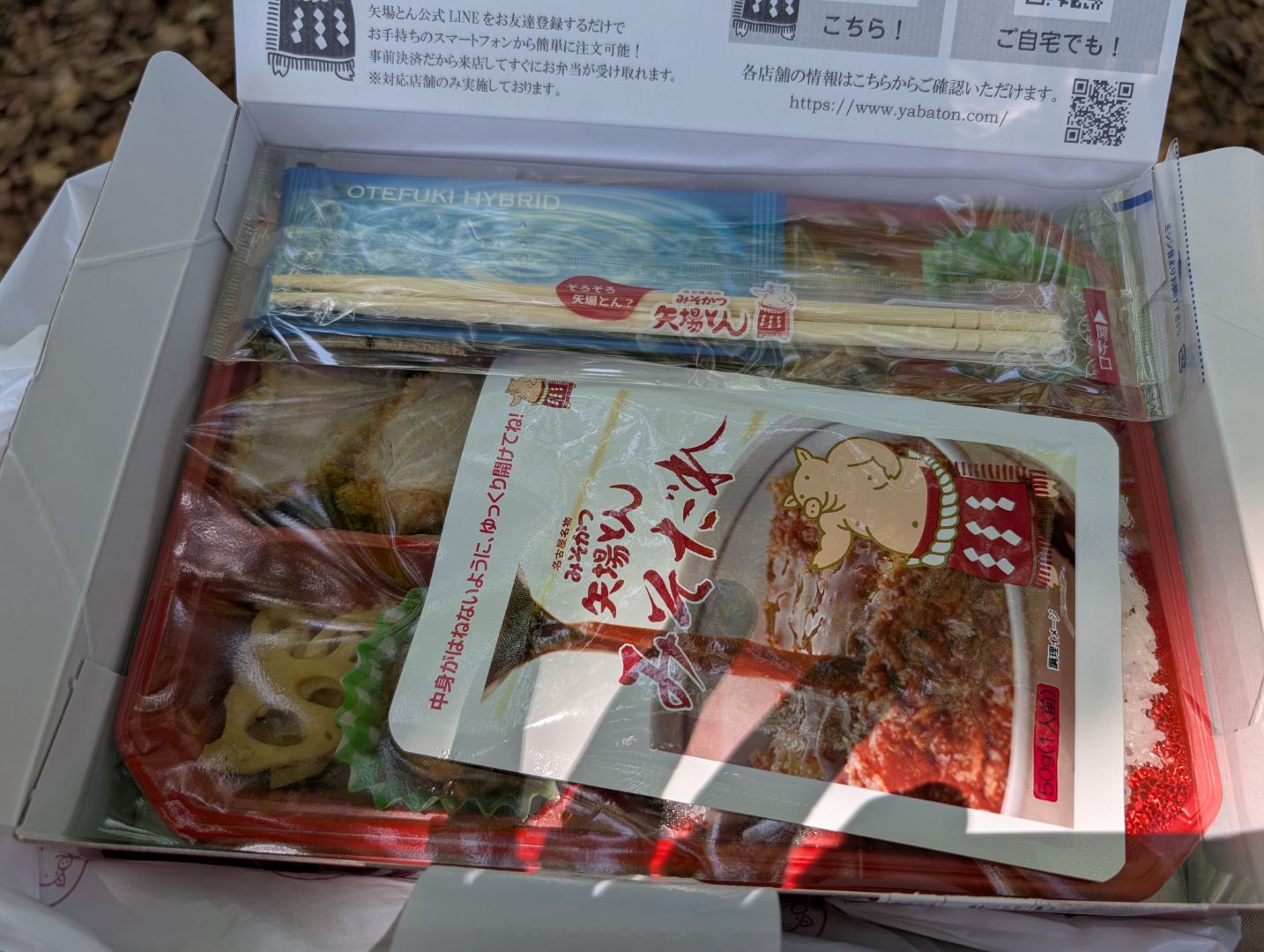
Since we were in Nagoya, I was hoping for something like Yabaton or Kishimen for lunch. Luckily, I spotted a Yabaton store right inside the station selling bento boxes and souvenirs! We quickly bought some katsu-sando (pork cutlet sandwich) and a fillet cutlet bento, planning to eat them somewhere at Nagoya Castle. The bento had a good variety of side dishes, and the miso sauce even had ground sesame seeds in it. It was a delicious bento that really captured the authentic Yabaton flavor!
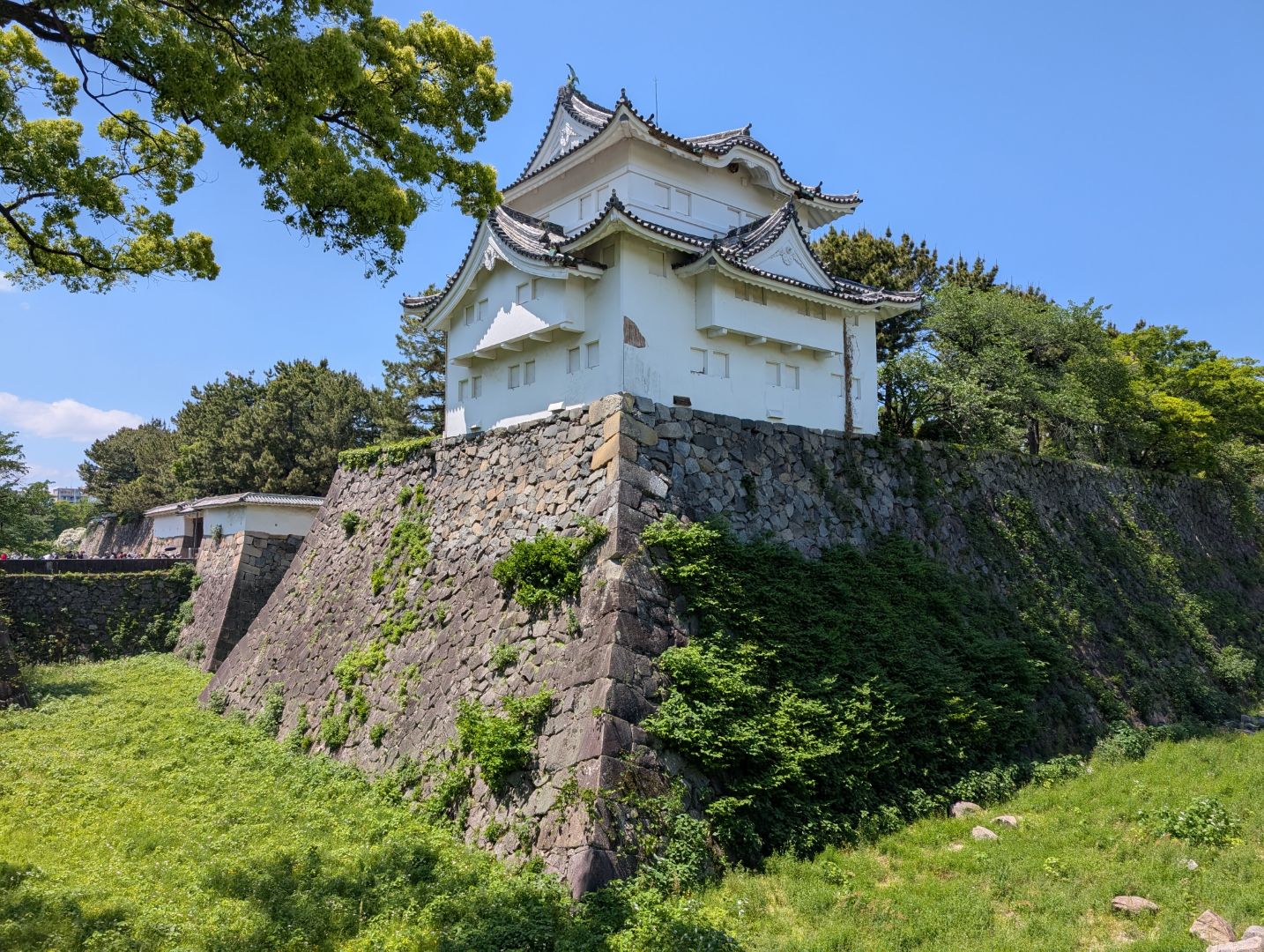
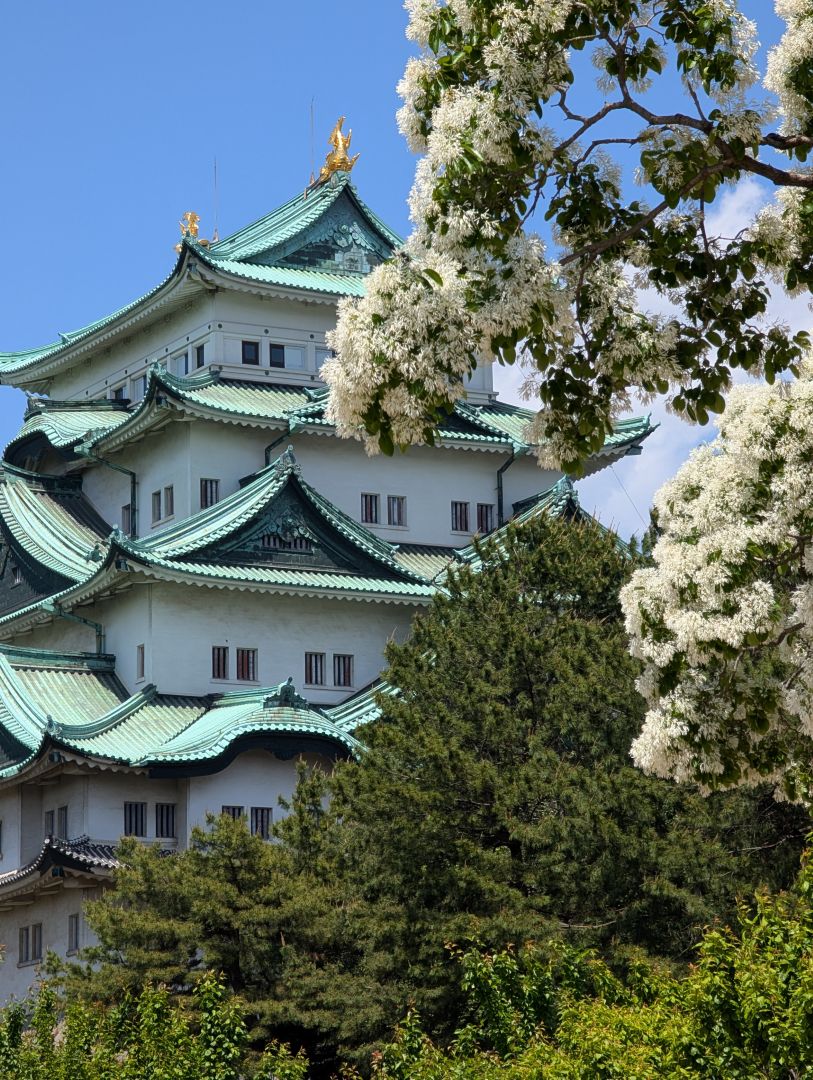
The main keep of Nagoya Castle has been closed to the public since May 2018 due to aging and earthquake resistance issues. I believe a wooden reconstruction project is being considered, but it feels like there’s been no progress since my last visit. Apparently, there are various challenges, such as how to preserve the stone walls, and investigations into these issues are taking a lot of time. As of now, it seems like we won’t be able to enter the main keep until 2032 or later. The Honmaru Palace is meant to be an alternative, but it was super crowded… We decided to skip it since the wait was over 60 minutes.
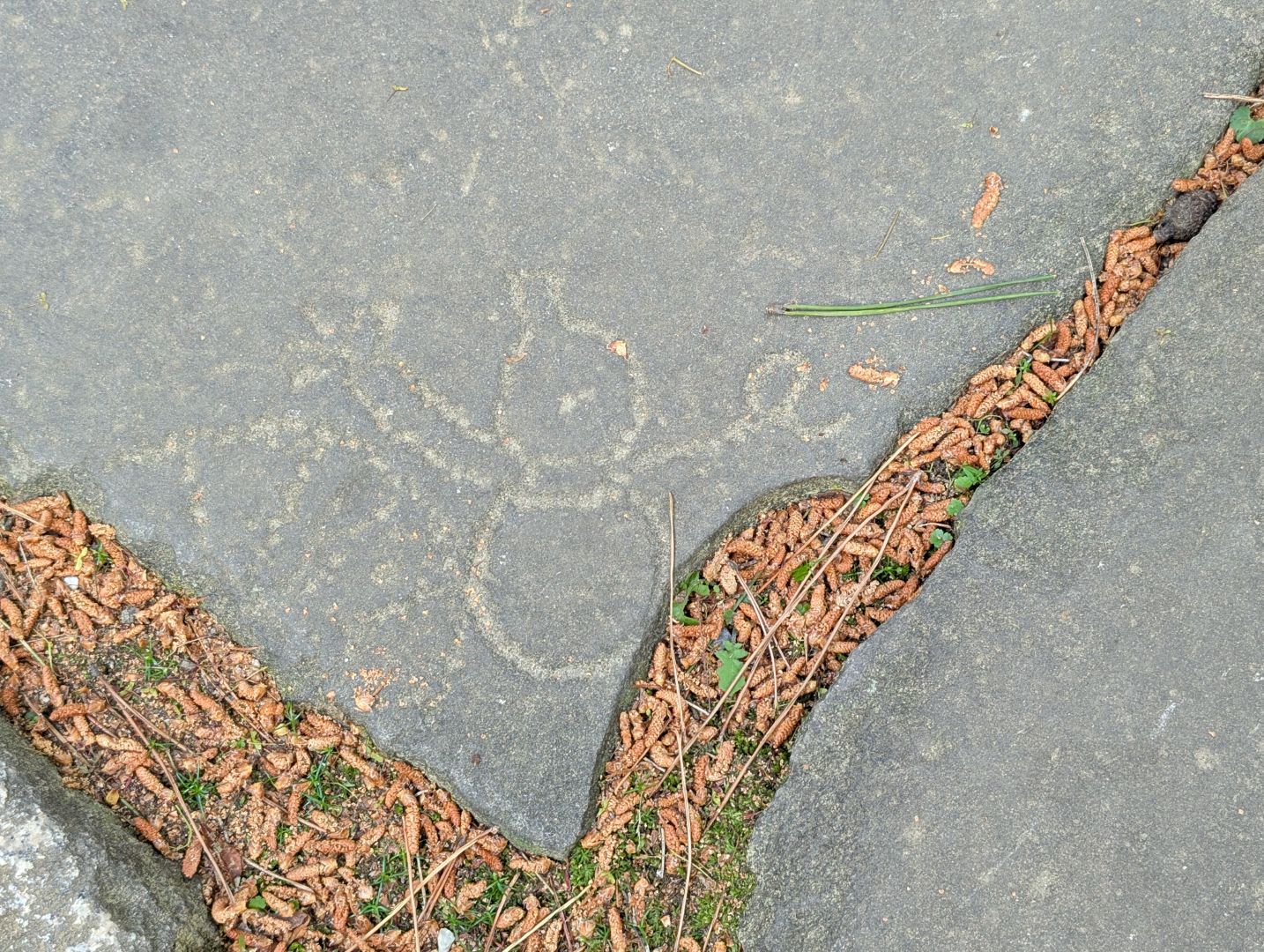
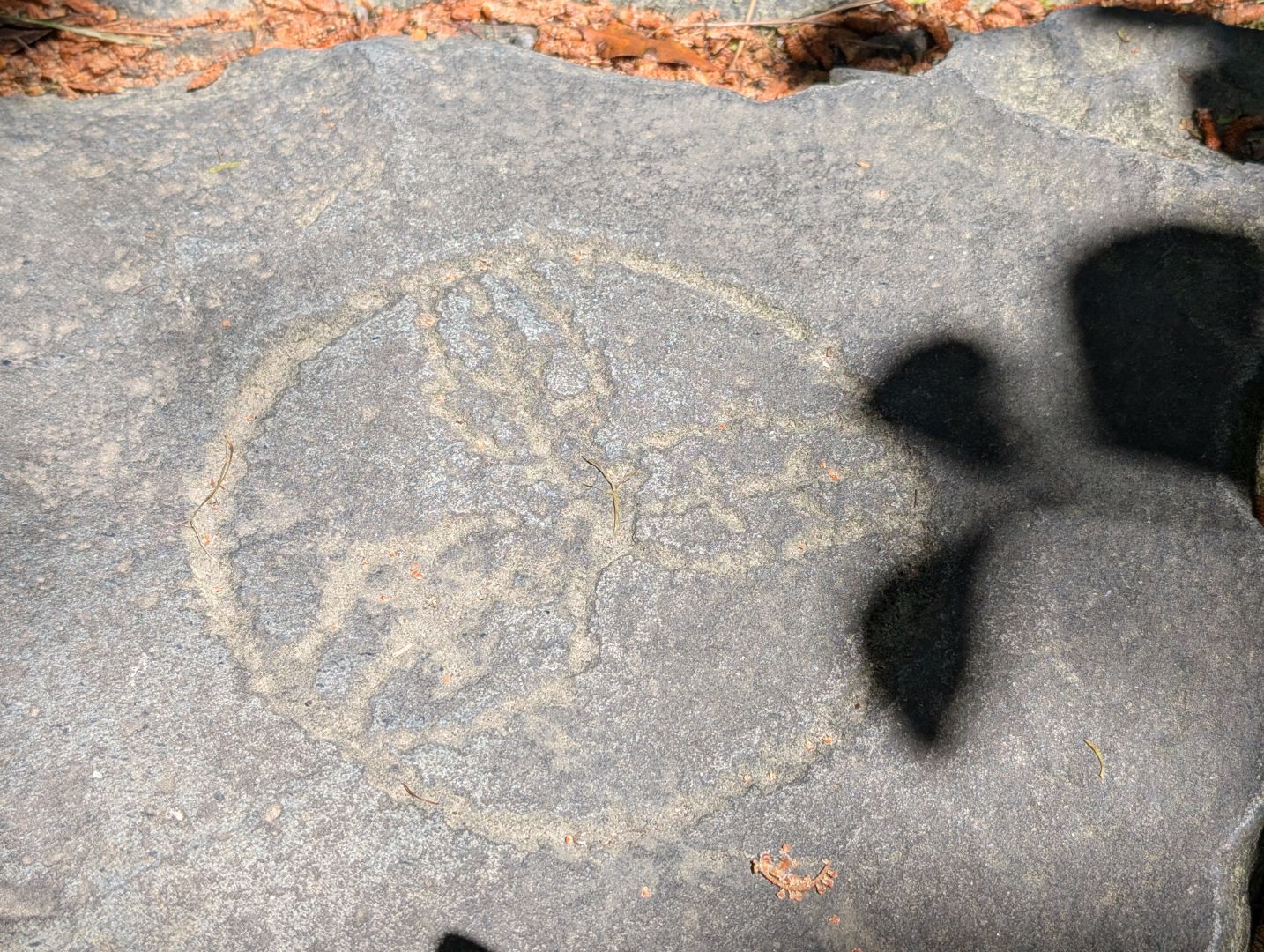
On this day, Nagoya Castle’s teahouse, which is rarely open to the public, was specially opened. It was quite interesting to look for the carved marks (kokumon) on the garden stones leading up to the teahouse. Kokumon are crests or symbols carved by the daimyo (feudal lords) from all over Japan who participated in the construction of Nagoya Castle to identify the stones they transported. Tokugawa Ieyasu ordered daimyo from across the country to build Nagoya Castle, and each daimyo was responsible for a specific area, transporting stones and constructing the stone walls. That’s why these kokumon are left all over the stone walls. Perhaps excess stones from the castle’s construction were used for the teahouse garden, or maybe they were left by daimyo who were assigned to guard the teahouse.
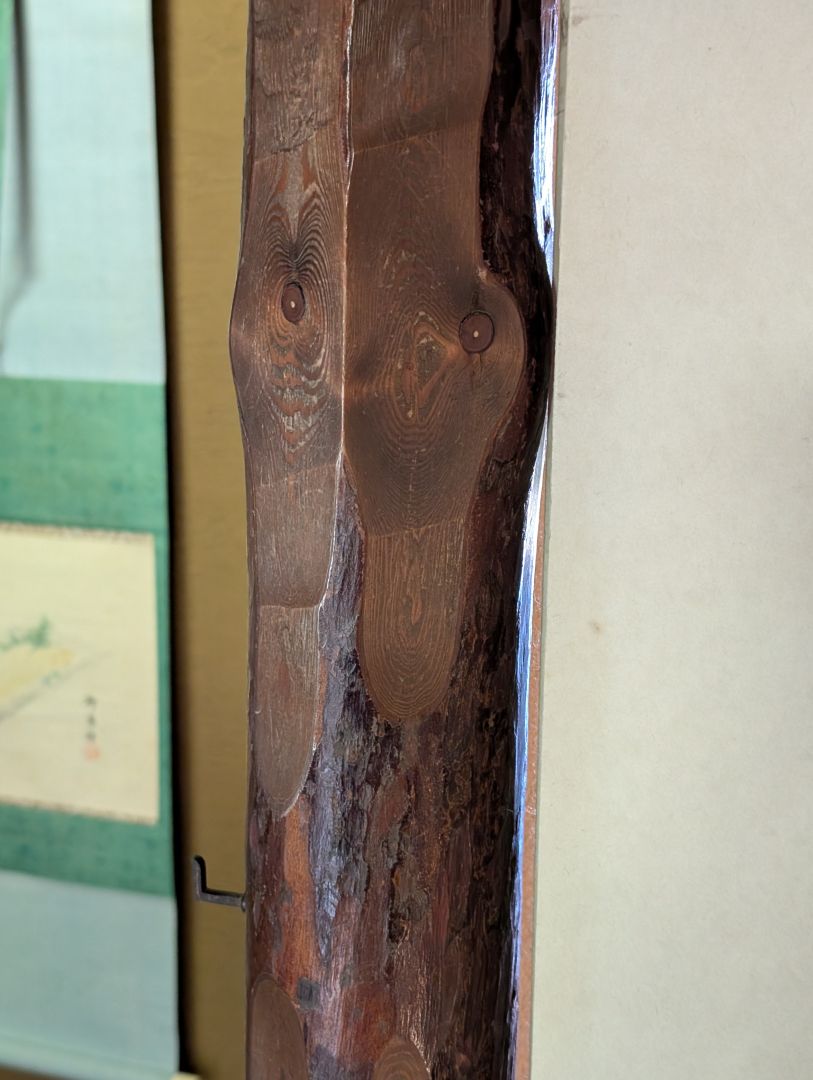
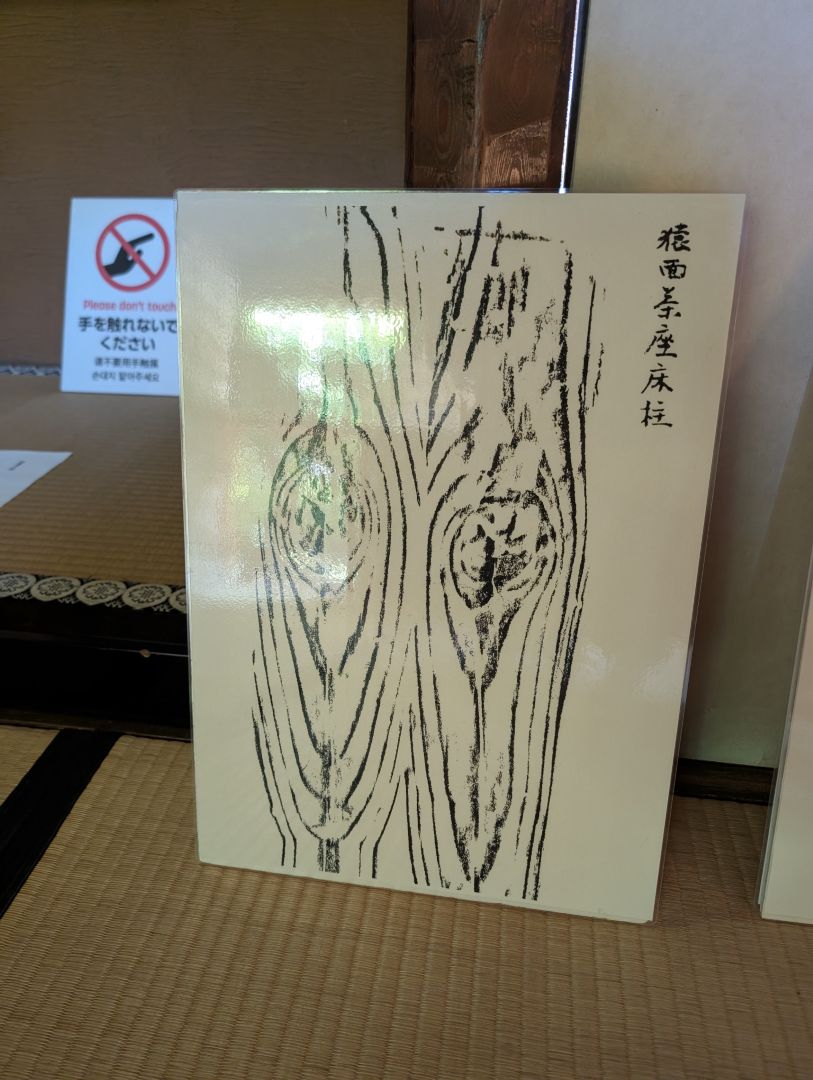
This pillar, with its slightly unusual pattern, has an interesting anecdote: Oda Nobunaga once told Toyotomi Hideyoshi that this knot resembled a monkey’s face, much like Hideyoshi’s own. There was even an enlarged drawing of it nearby, but honestly, I couldn’t quite see how it looked like a monkey’s face, haha!
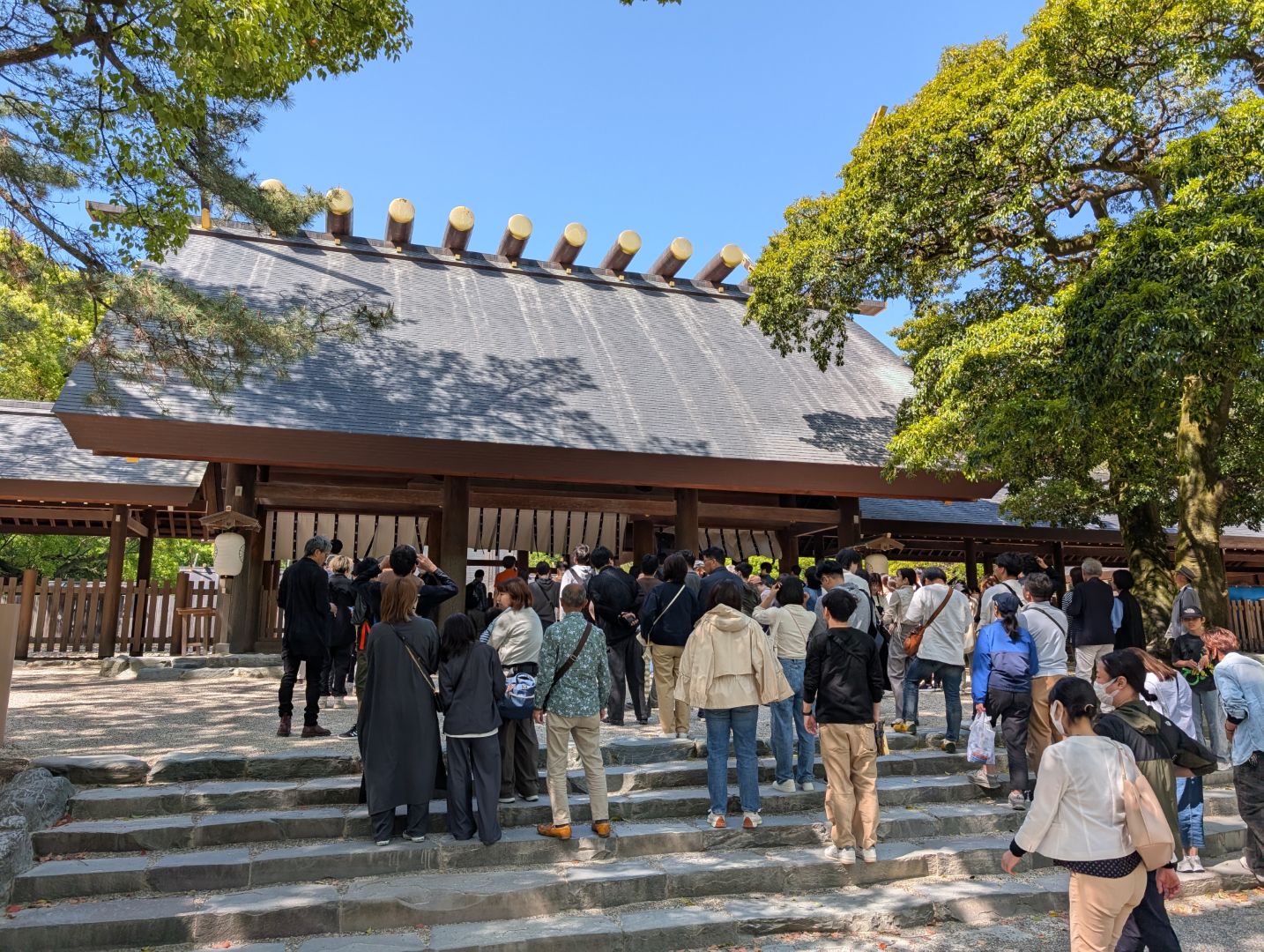
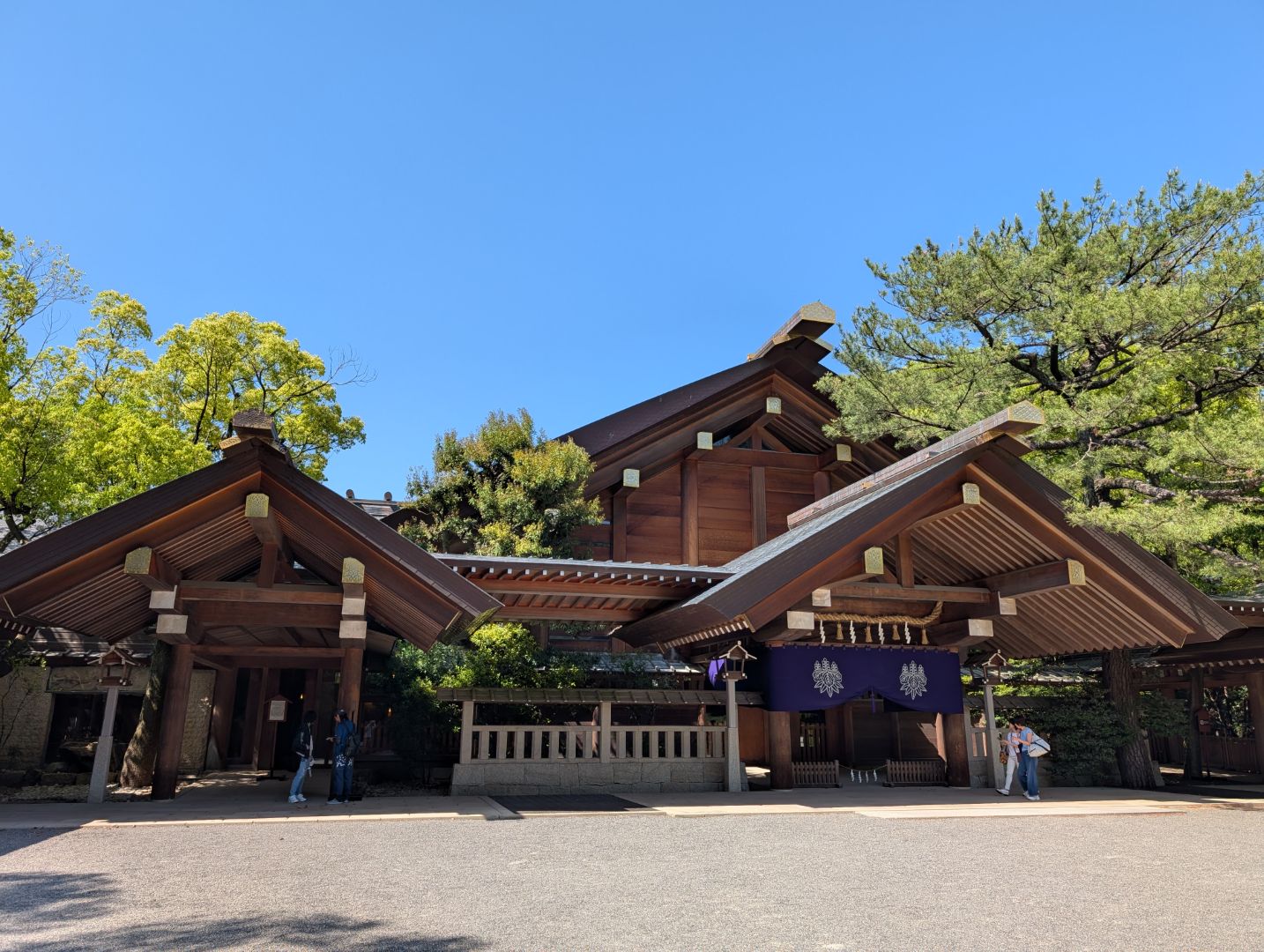
After that, we headed to Atsuta Jingu Shrine. I’d actually been here as a kid, but I didn’t remember it at all. Atsuta Jingu enshrines the “Kusanagi no Mitsurugi” (Grass-Mowing Sword), one of the Three Sacred Treasures of Japan, as its deity. I didn’t realize it during my visit, but there’s a Kusanagi-kan museum that displays the sacred sword… I totally would’ve gone if I had known!

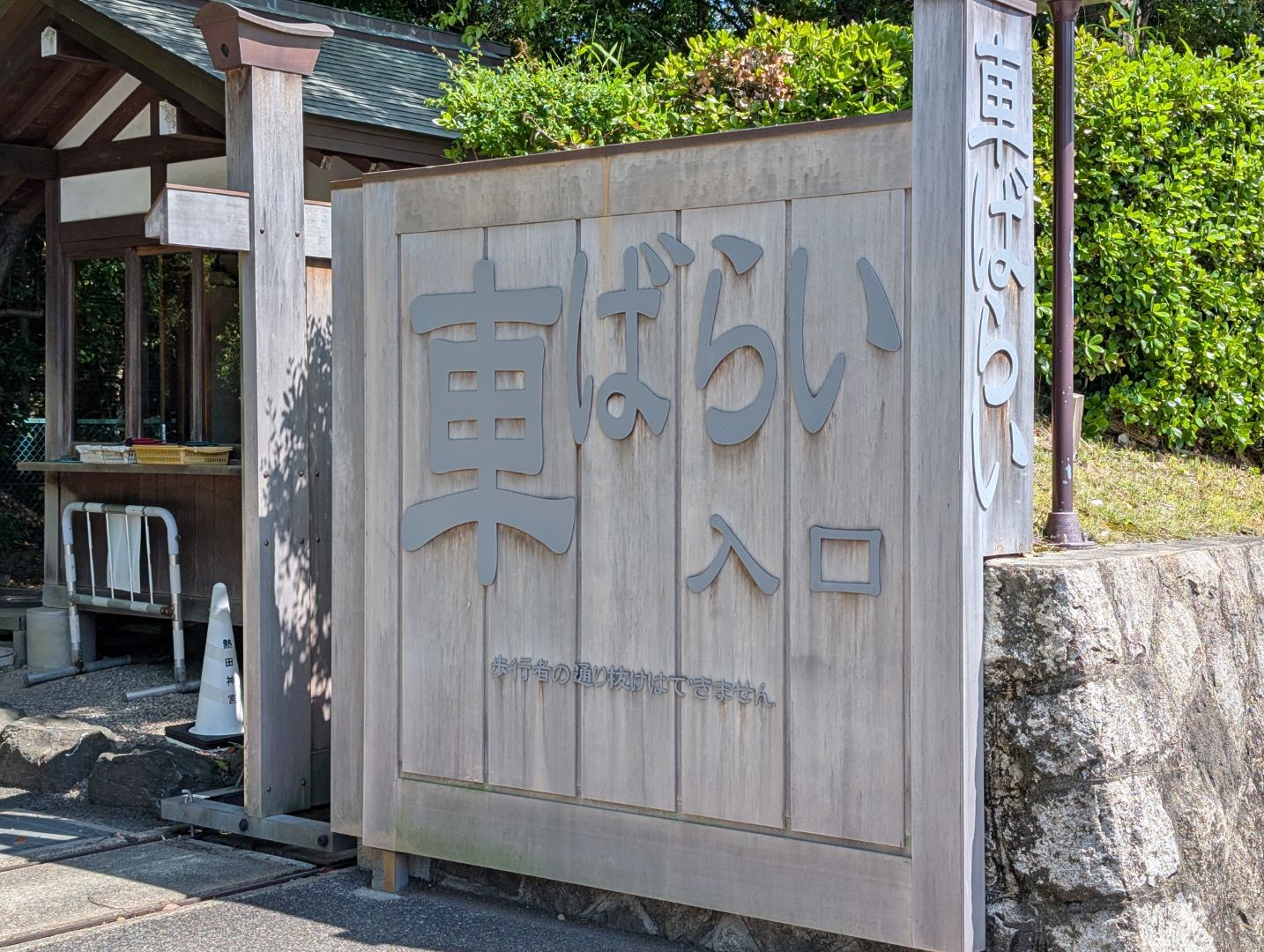
Something I found a bit interesting at Atsuta Jingu was “kuruma-barai” (car purification). It seems you drive your car in from here to get it blessed. I wonder if that’s a common practice…?

コメント