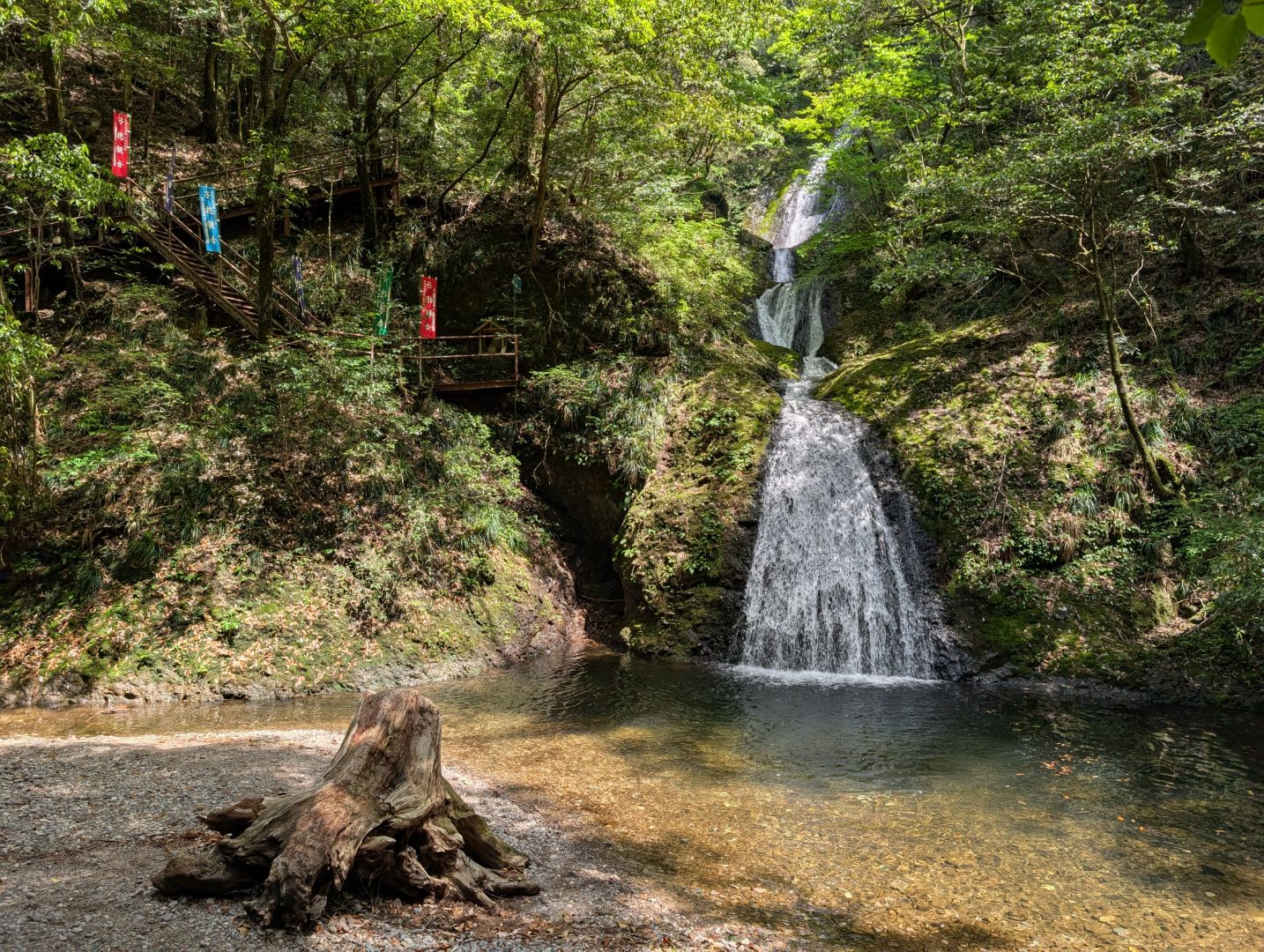
When I was driving from Hamamatsu to Nagano on local roads, I remembered seeing a sign around Shinshiro that said, “Atera no Nanataki Falls, one of Japan’s Top 100 Waterfalls, is here!” So, I decided to extend my trip to Okumikawa, where I knew the fresh greenery would be stunning. You park your car and take about a 15-minute walk along the Tokai Nature Trail to reach Atera no Nanataki, and it was truly a wonderful place.
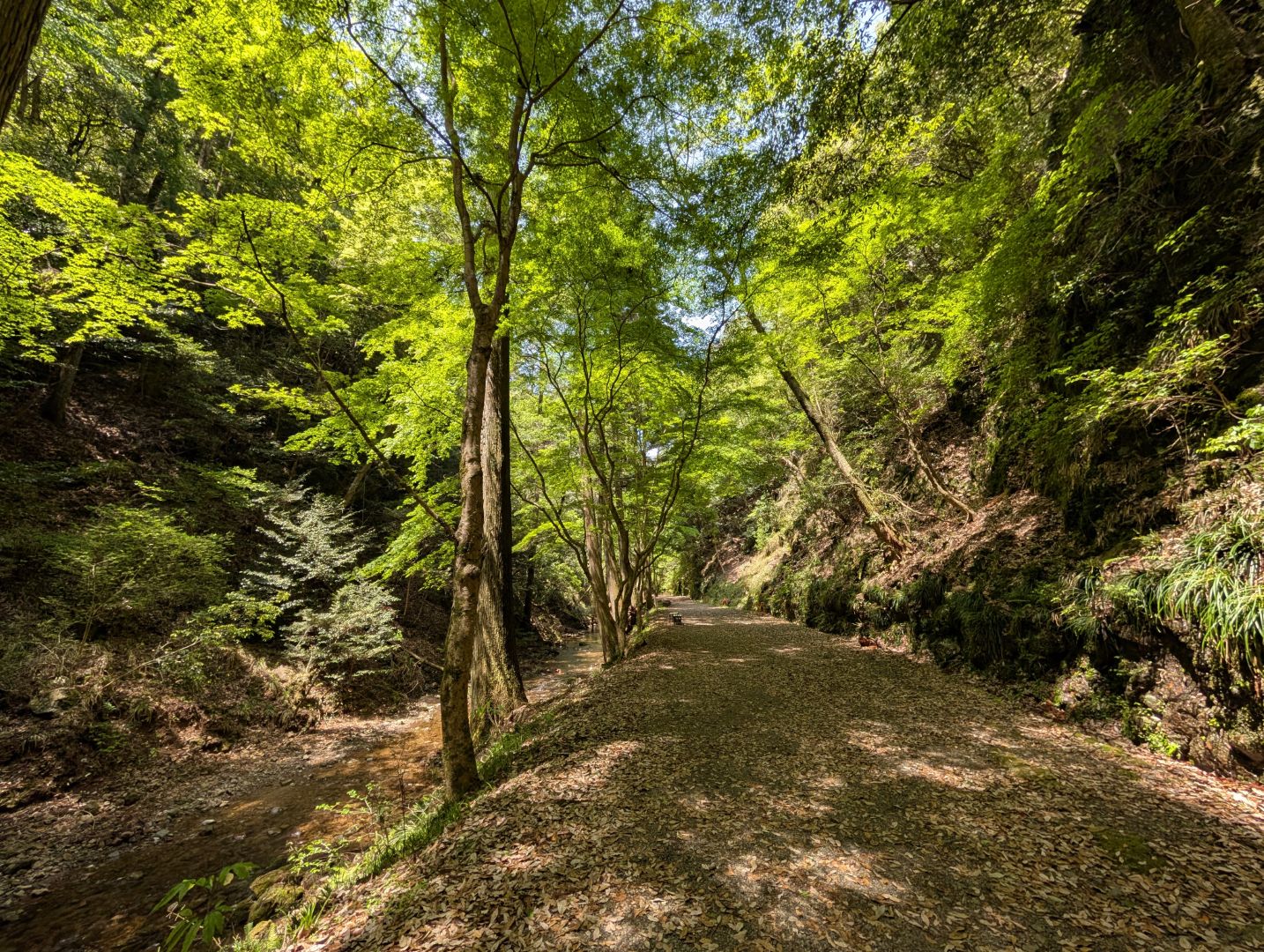
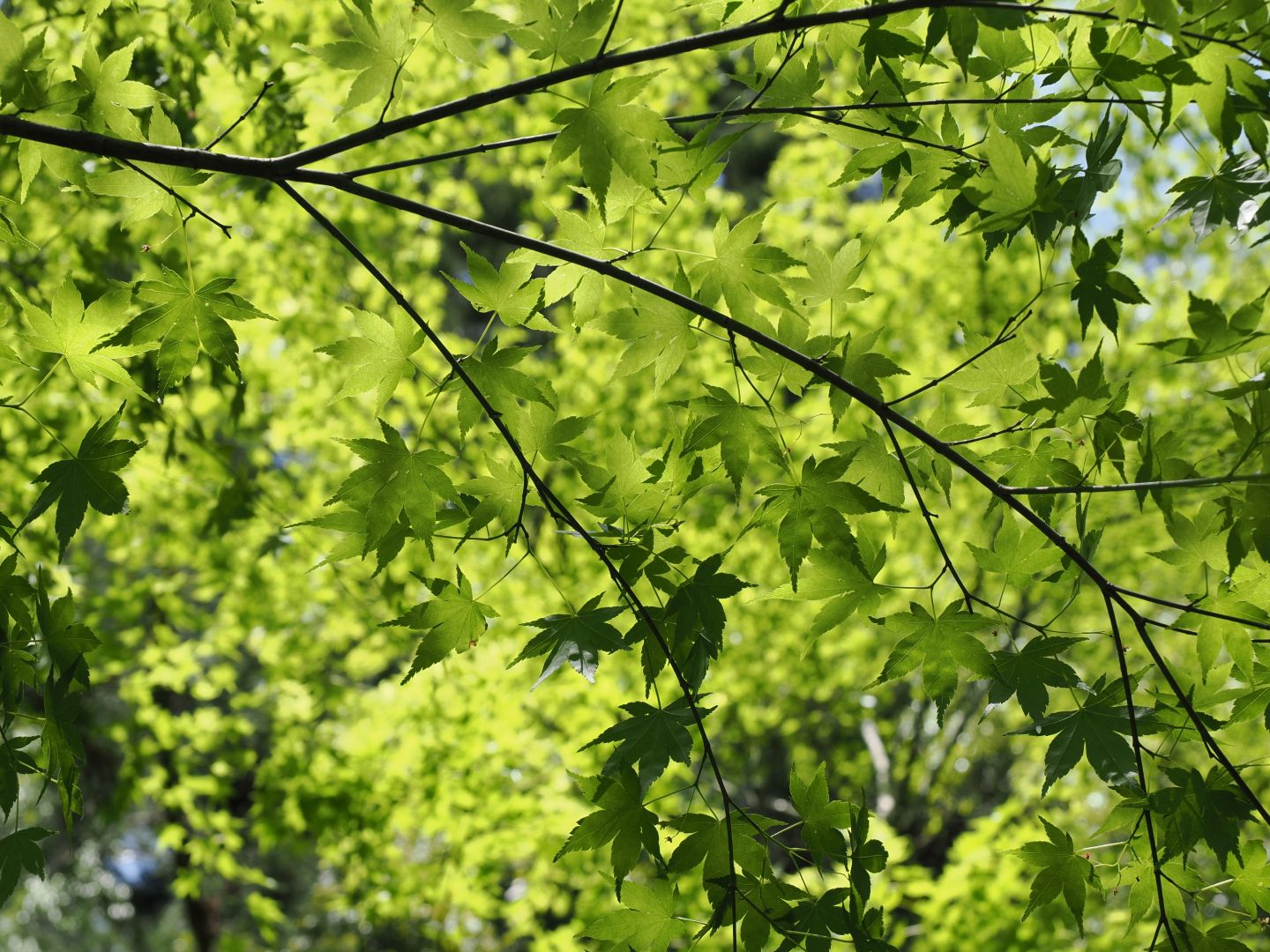
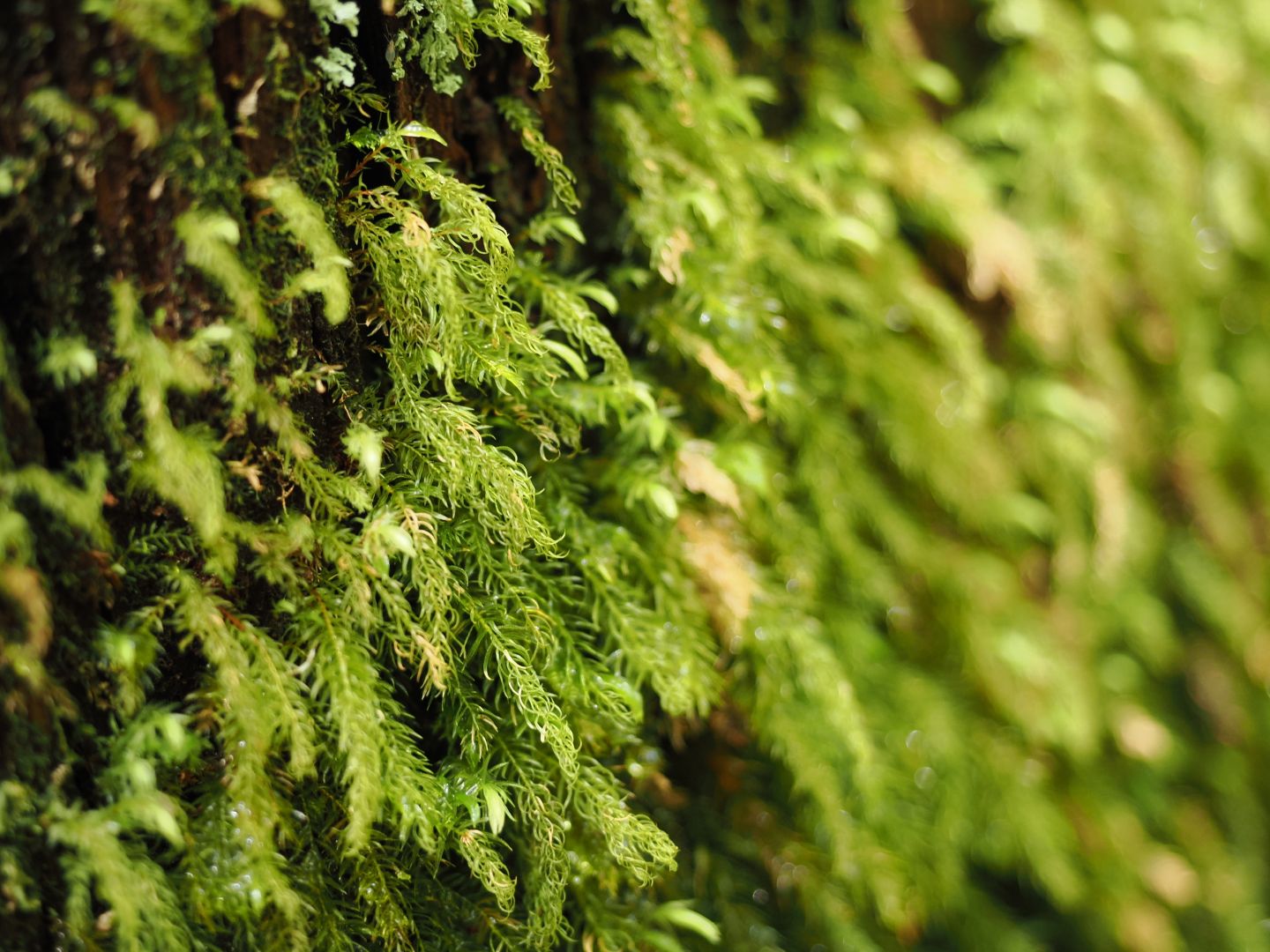
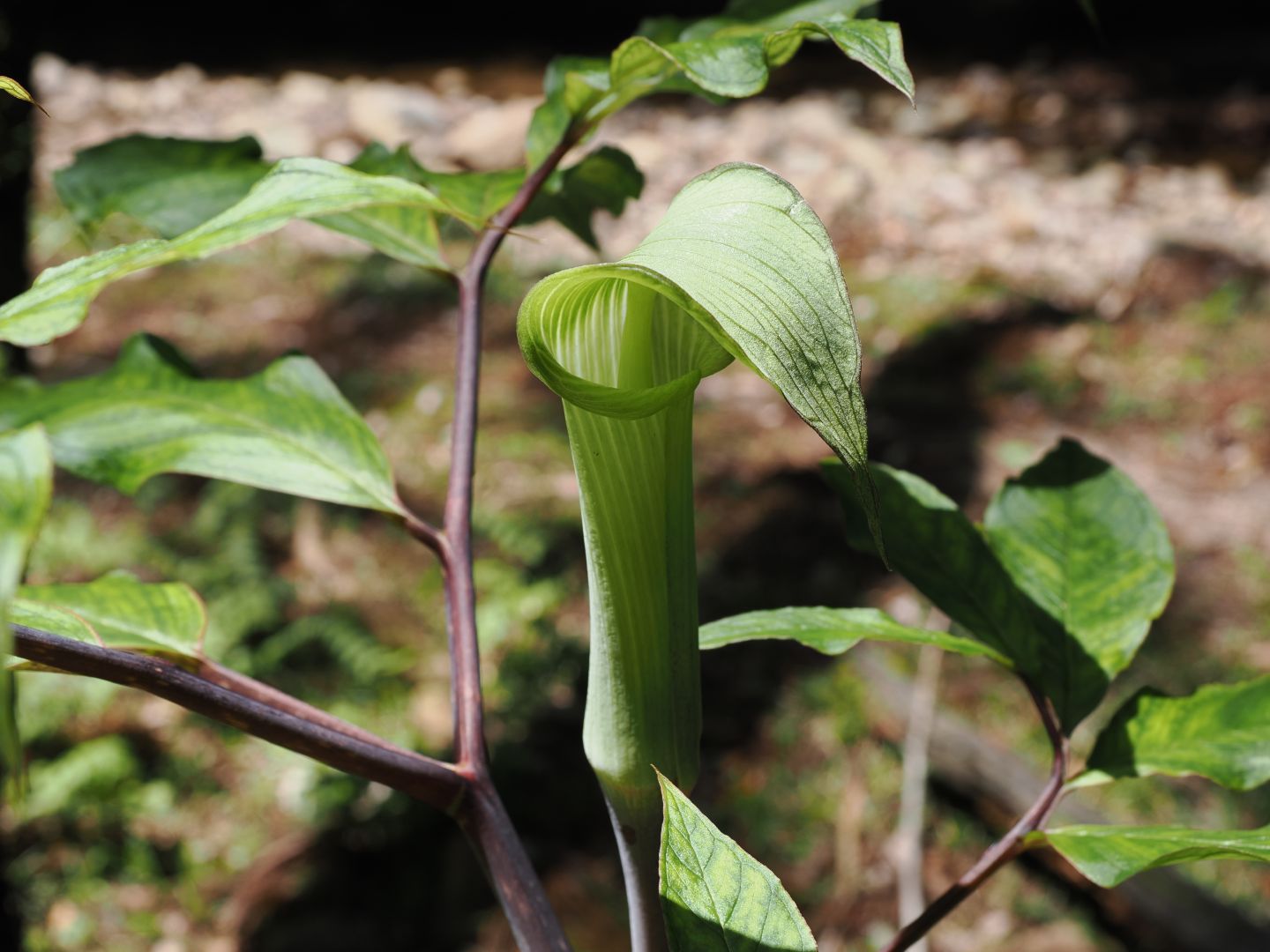
The Tokai Nature Trail, completed in 1974, was a pioneer among Japan’s long-distance nature trails, stretching an impressive 1734 km. I once read about it in a “TRAILHEAD” magazine feature on long trails, and I also remembered seeing signs for it recently around Horaiji-san and Yotsuya’s Senmaida rice terraces, making me think that long-trail hiking sounds quite interesting. Atera no Nanataki Falls is actually part of this trail, and that 15-minute walk through the fresh greenery was absolutely delightful.
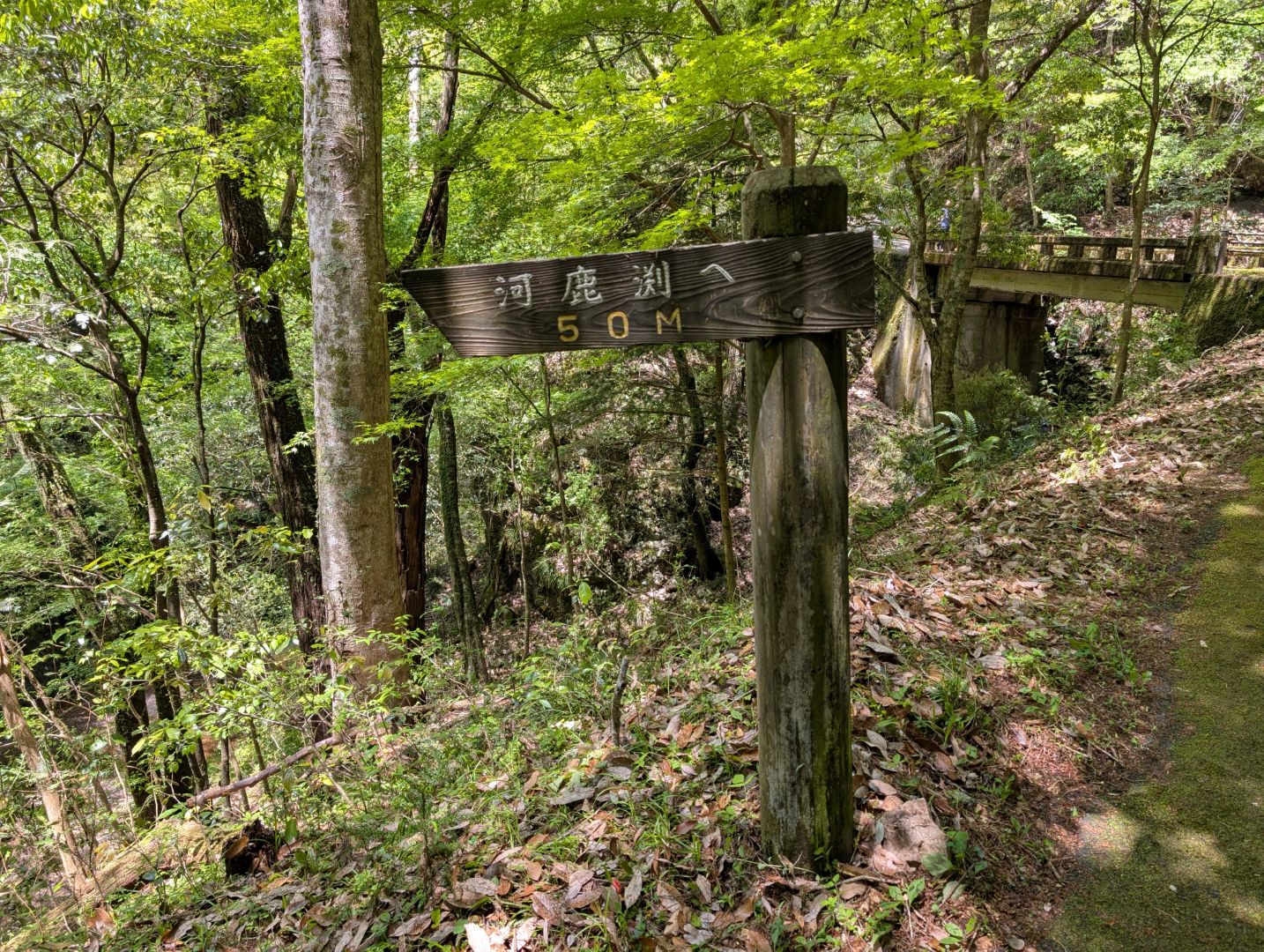
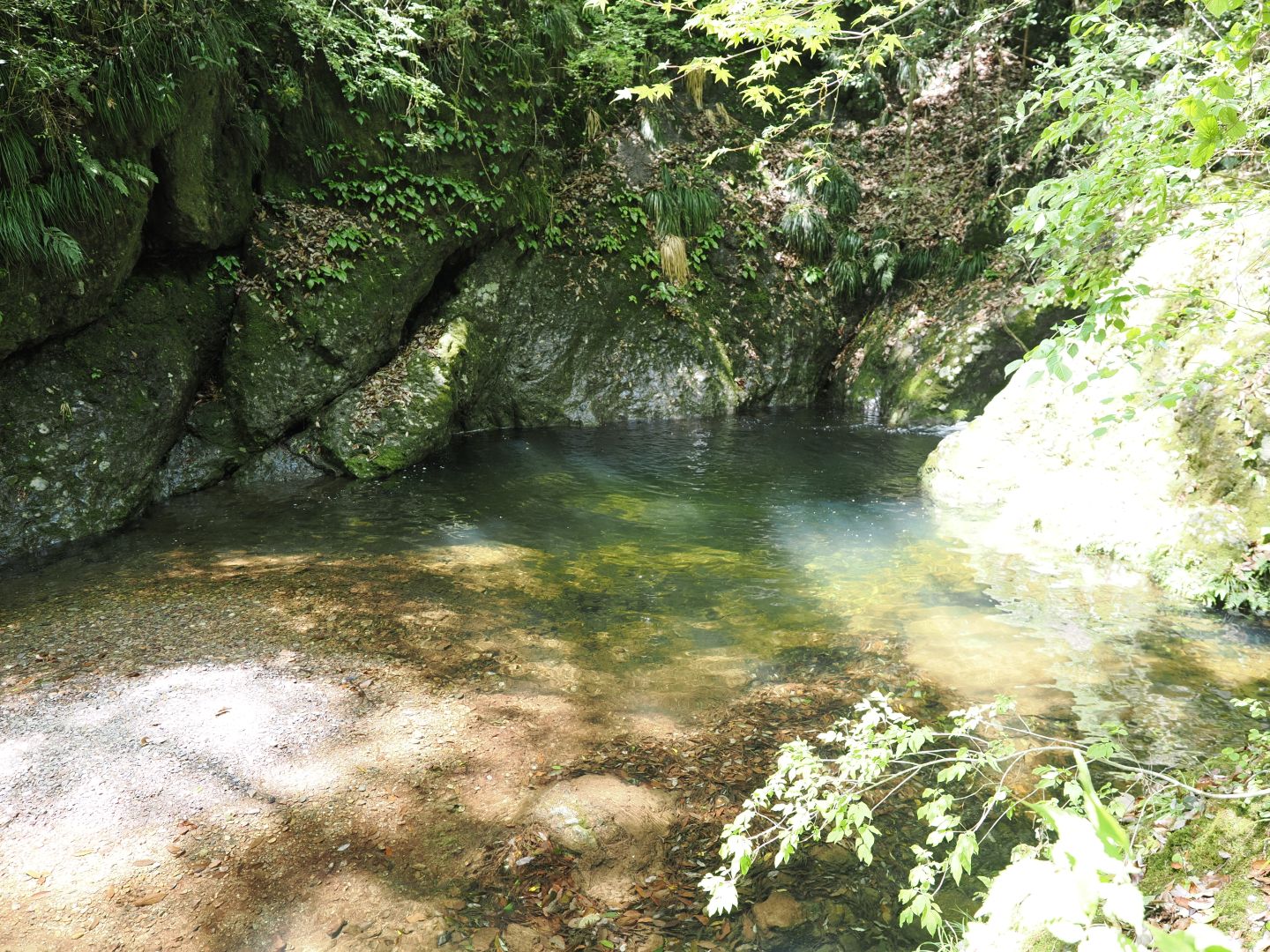
Along the walking path is Kajikabuchi Gorge. As the name suggests (Kajika refers to a type of frog), I was hoping to hear the beautiful croaking of Kajika frogs, but unfortunately, I didn’t on this day. It’s a shame, though; you can see this stunning gorge by just descending about 50 meters, yet none of the people walking the path bothered to go down. I couldn’t help but think what a waste!
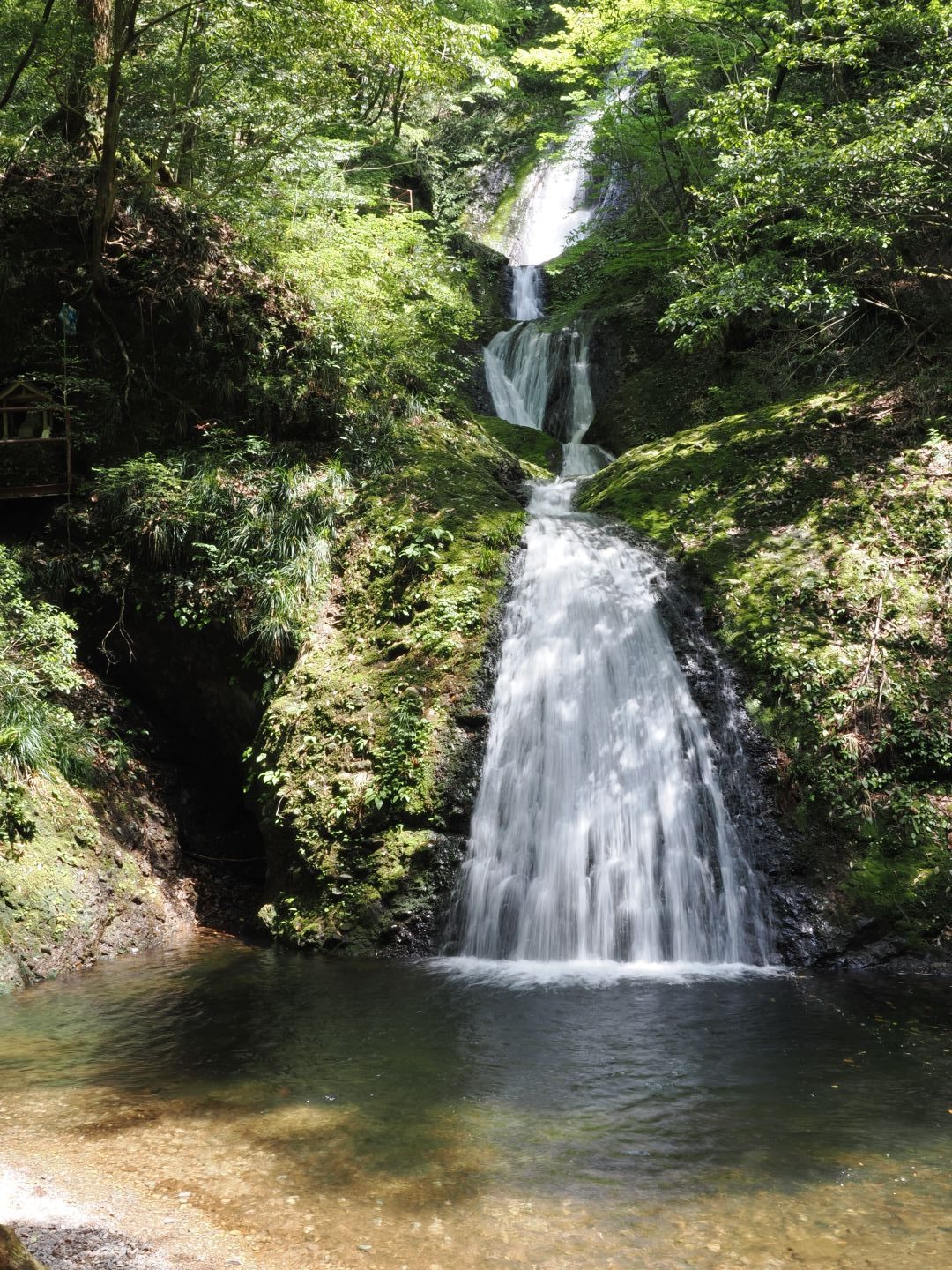
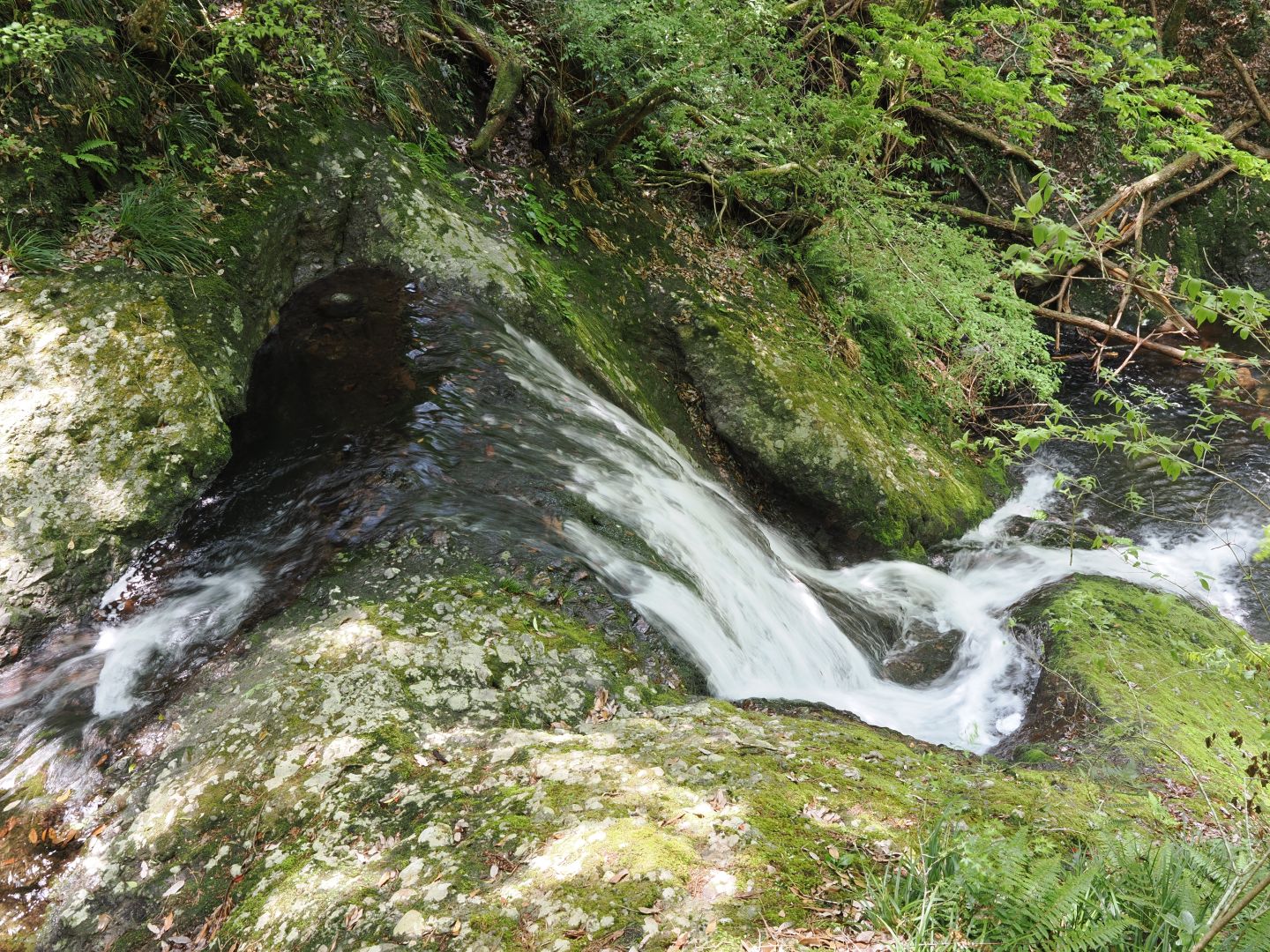
Beyond the walking path, Atera no Nanataki Falls appeared in an open area. From below, it looks like a four-tiered waterfall, and to the left of the falls, there are stairs leading up, allowing you to view the falls from the side. Due to the influence of the Median Tectonic Line nearby, several fault lines cross the gorge directly. The activity of these faults weakened certain sections, leading to erosion and the formation of plunge pools, which eventually resulted in the seven-tiered series of waterfalls we see today. It was designated a National Place of Scenic Beauty and Natural Monument in 1934, and further recognized as one of Japan’s Top 100 Waterfalls in 1990.
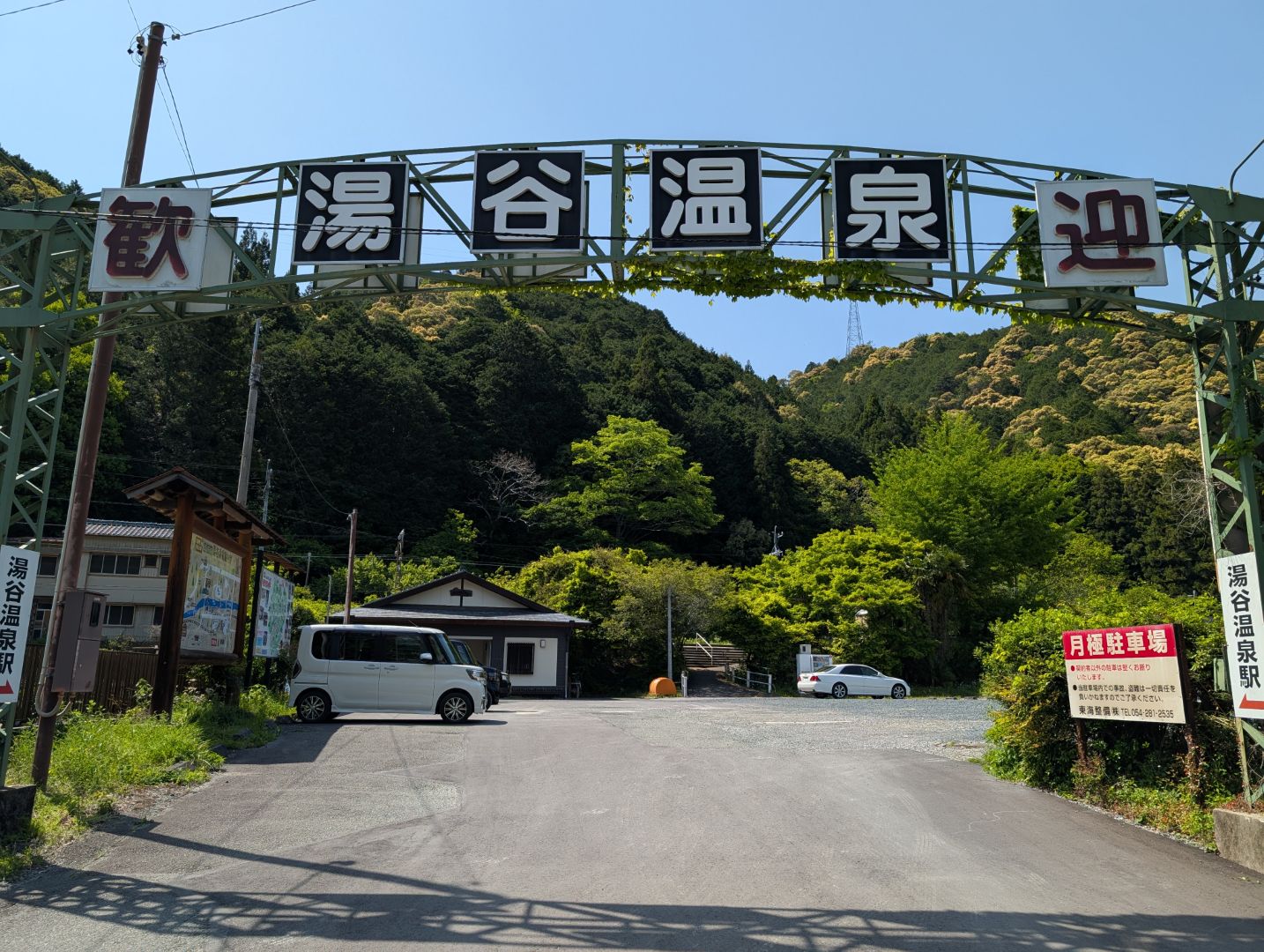
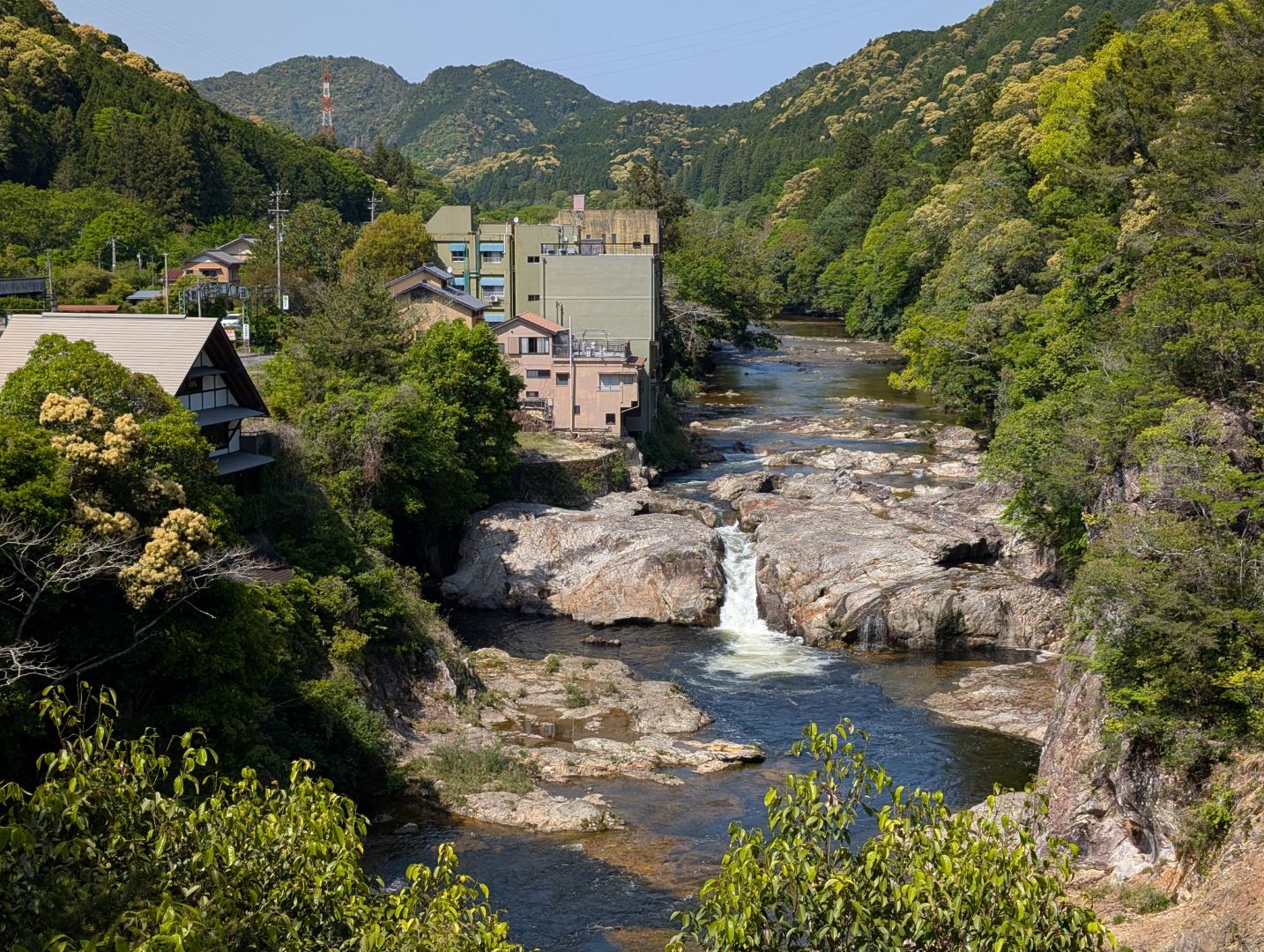
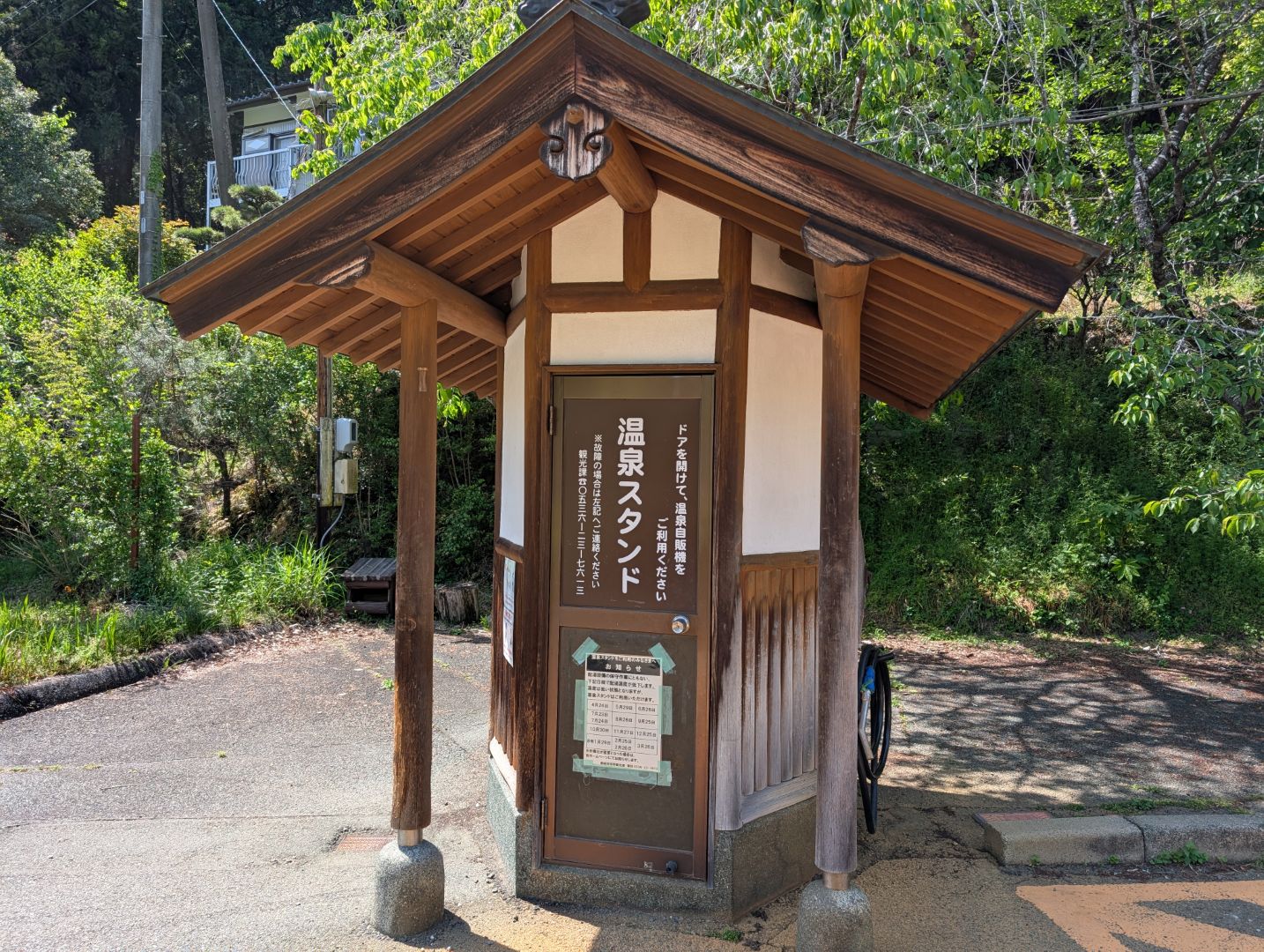
Since I came all the way to Okumikawa, I decided to head to Yuyadani Onsen, a place I’d wanted to visit for a while. I was really looking forward to enjoying its brown chloride springs, but unfortunately, Sensankaku, which used to offer day trips to the hot springs, had closed down. Hazu Bekkan, which looked like it had a nice atmosphere, did offer day-use hot springs with meals, but it turned out you needed a reservation – such a bummer!
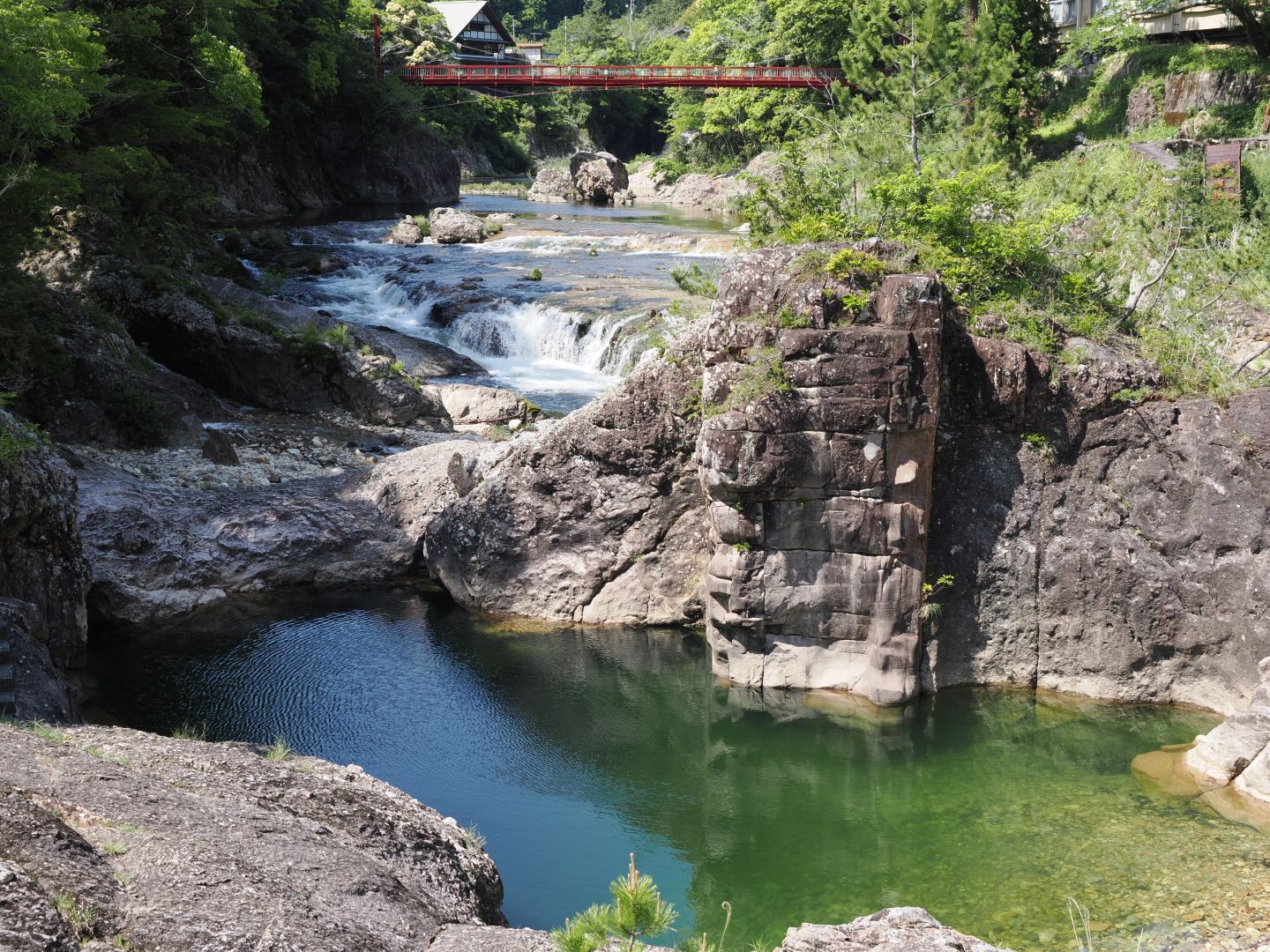
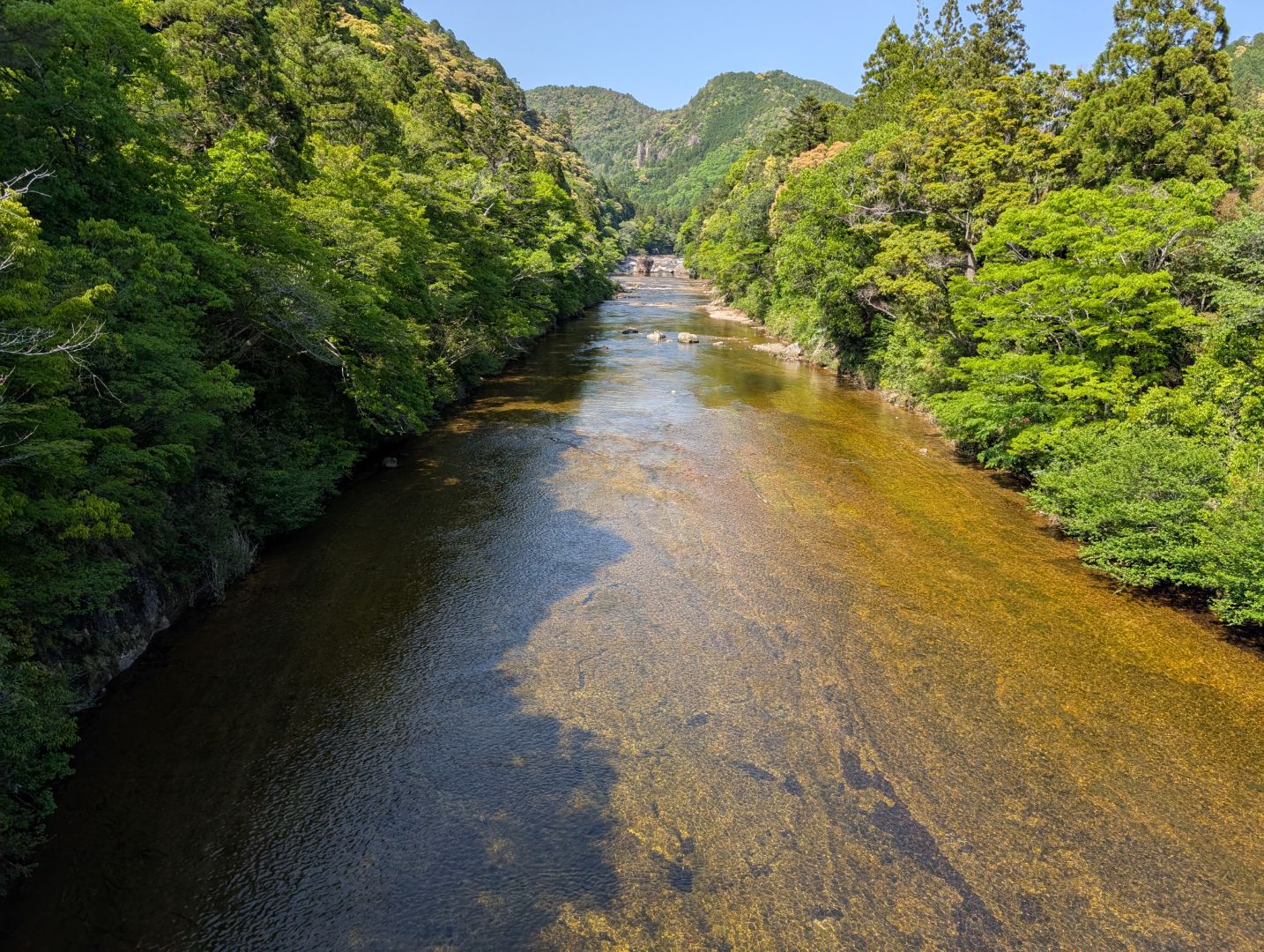
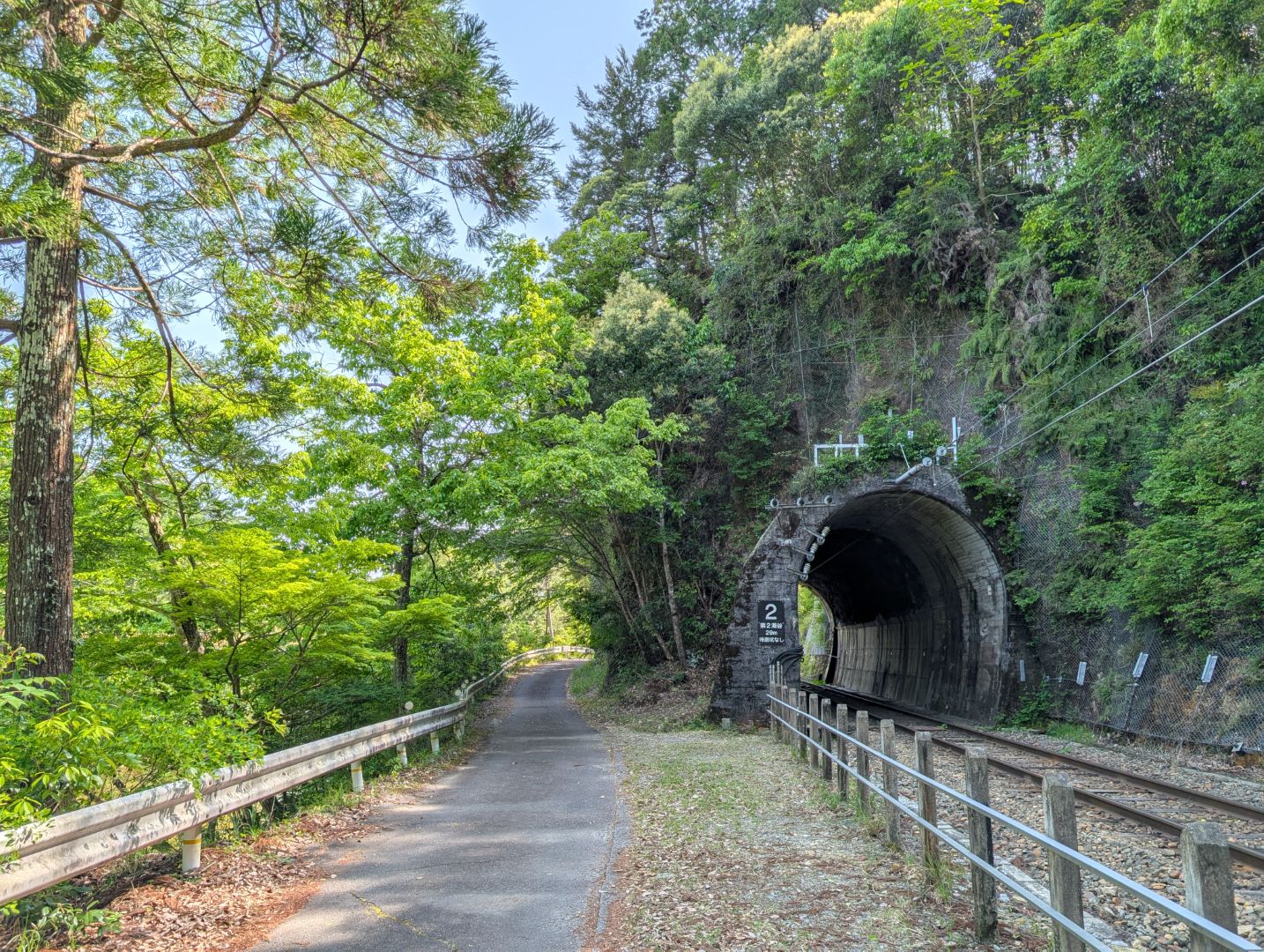

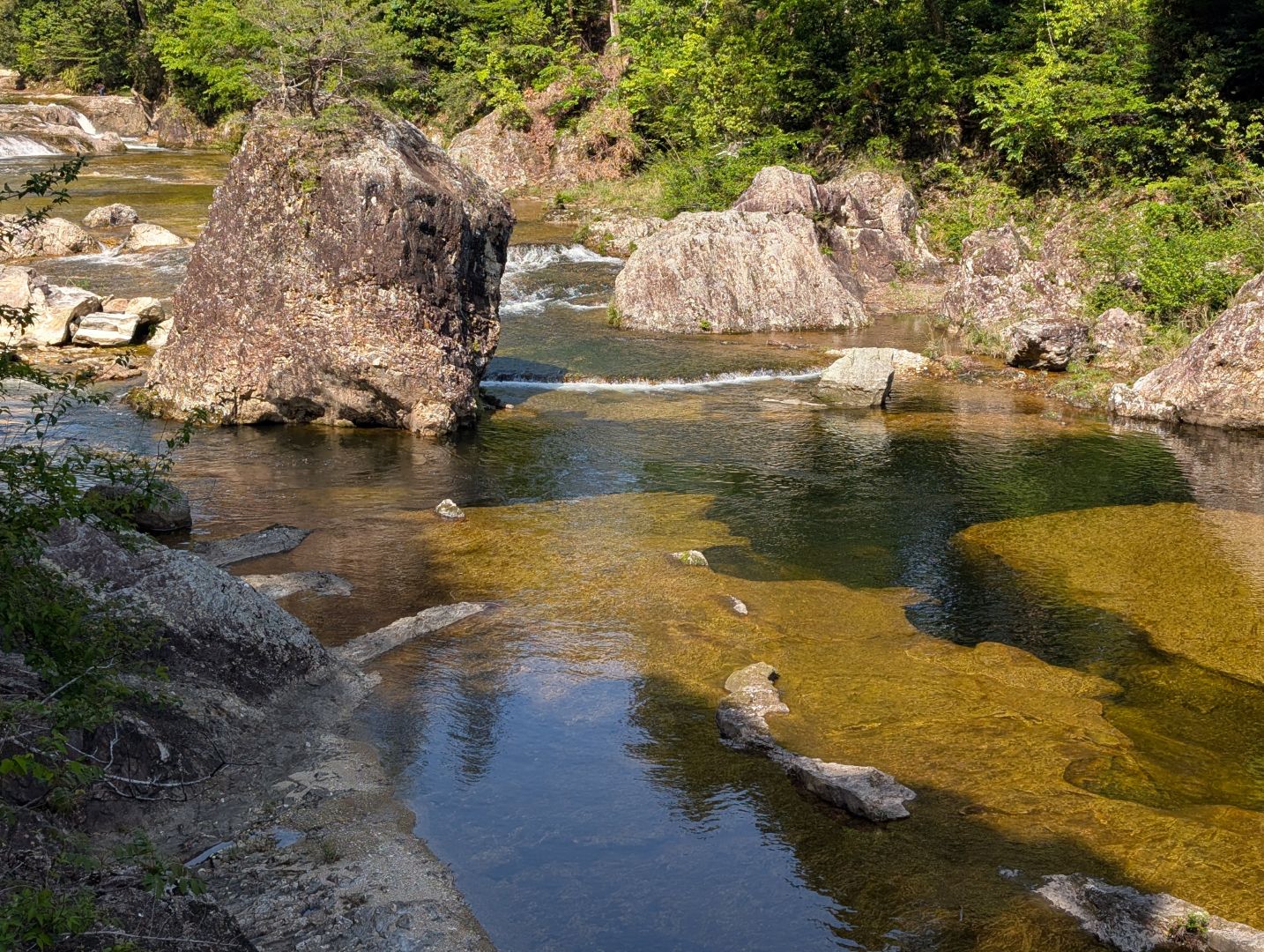
I had my eBike packed in the car today, so I decided to park at Yuyadani Onsen and go for a ride, poring over my map. I found a road called Mochizuki Kaido along the Ure River, which looked perfect for cycling. It seemed like I could even reach the entrance to Chiiwa Gorge, where I’d been before, and also head towards Toei Town, so I just started pedaling. The path along the Ure River offers a unique landscape, with water flowing over exposed, large rocks. It’s a narrow road, almost too challenging for cars, making it ideal for cycling. There were hand-carved-like tunnels and sections running right alongside the Iida Line, making it a varied and enjoyable route.
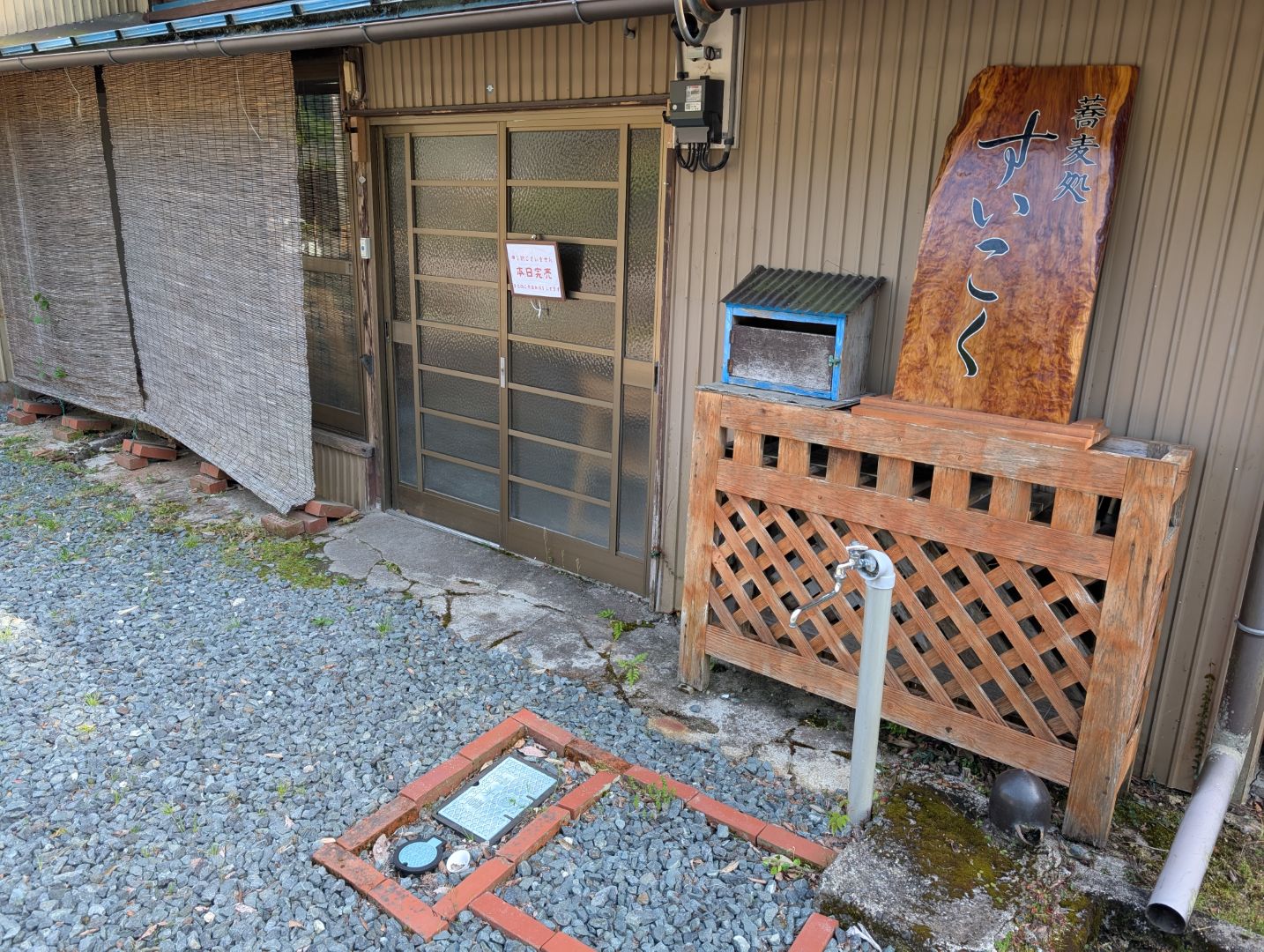
After riding for a while, I suddenly realized I hadn’t eaten lunch yet. Although it was a bit late, I searched for a good place and found a highly-rated soba restaurant in Toei. It was quite a climb up the mountain, but I pushed hard and finally arrived, only to find they were completely sold out… Just then, someone who seemed to be the owner was outside, and when I talked to them, they mentioned they often sell out quite early. Oh well, soba restaurant business hours can be tricky, right?

コメント