The Chaos Remains, But DX is Advancing at an Incredible Pace
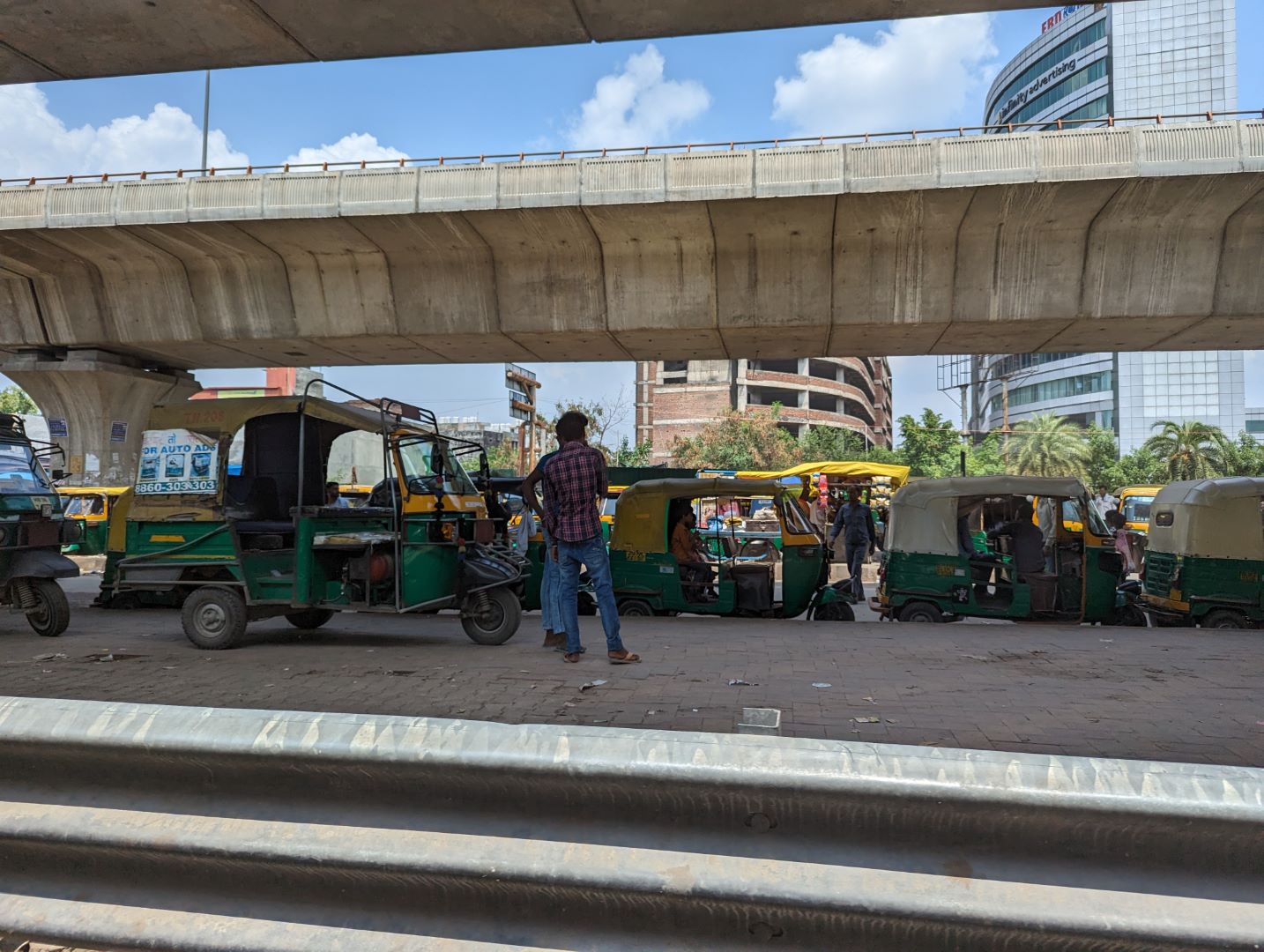
About five years ago, when I first went to Chennai on a business trip, I still vividly remember being so overwhelmed by the sheer chaos of everything that all I could do was laugh. Late at night, Chennai Airport was inexplicably packed with a tremendous number of people waiting to pick up arrivals. And if you’d requested a hotel pick-up, there’d be several people holding signs with your name. Cars would be speeding furiously down bumpy roads, honking their horns, and you’d see people, cows, and even cars driving against traffic – it was such an overwhelming chaos that my brain couldn’t process it. But even then, the wave of digitalization had certainly reached some areas. For instance, the system for ordering and paying for meals at the company cafeteria was already app-based, and I remember being quite impressed by that.
Talking to the locals, it seems India’s digital transformation (DX) probably followed a progression something like this.
- Introduction of Aadhaar, the national ID system, in 2009
- The “Jan Dhan Yojana” (National Mission for Financial Inclusion) project in 2014
- The introduction of Aadhaar made opening bank accounts significantly easier.
- Demonetization of high-denomination banknotes in 2016
- Perhaps due to the demonetization and the promotion of bank deposits, account ownership rose to 80% around 2017.
- Advancement of mobile-based cashless payments enabling small transactions (driven by increased account ownership and mobile penetration)
- Suppression of bribes and fraudulent benefit receipts.
- Even small payments at street vendors are now largely via QR code (cash payments are often disliked). Most payments are linked to mobile payment systems. For example, highway toll payments are made automatically with FASTag: cars simply have an IC tag, which is read by an IC tag reader at the gate, linked to the mobile app, and the payment is processed. Apartment complex management is also handled via mobile apps, from unlocking common areas for guests to requesting repairs for communal facilities and matching with gig workers for payment – all via mobile.
I’ve heard about the massive confusion during the demonetization of high-denomination notes, but it’s amazing how India can relentlessly push these changes forward, and also how powerful the citizens are in adapting to them.
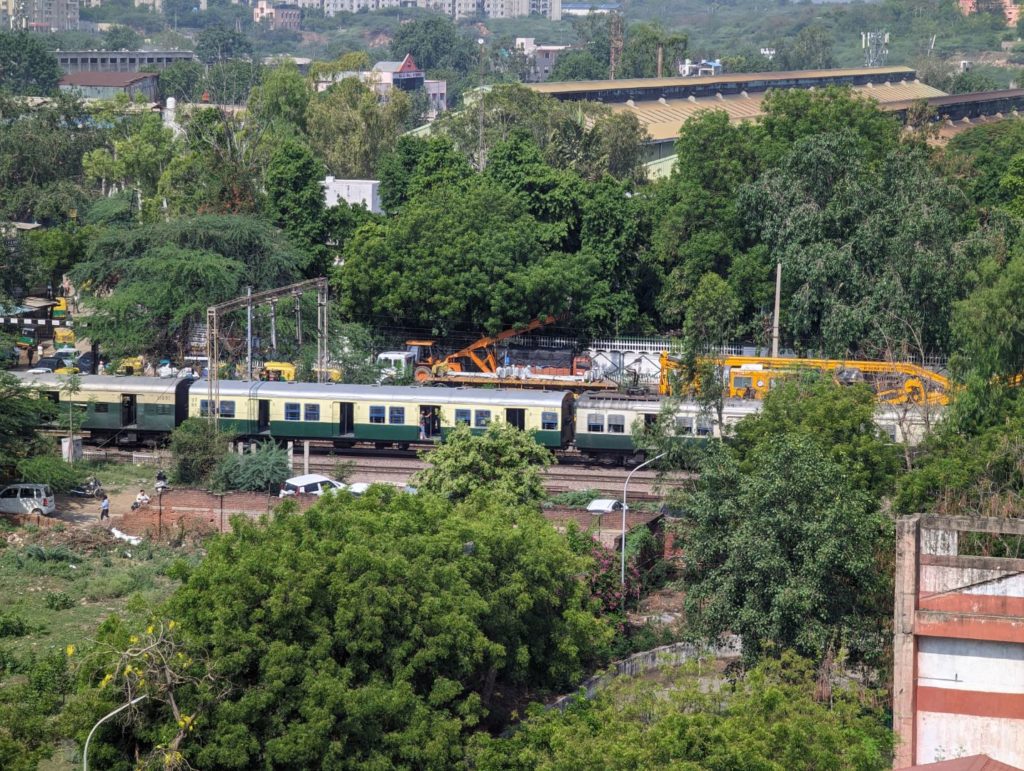
But on the other hand, you can still see scenes on local trains during rush hour where people are hanging off trains with their doors and windows wide open (I heard you can see it from the company window, but I didn’t get the chance this time… a shame). While the chaotic feeling on the streets has improved quite a bit, it’s still, well, chaotic in some ways. This gap is what makes India so fascinating, and it’s truly amazing how it’s consistently changing every time you visit. There’s so much to learn from India’s transformations.
In that sense, India is also electrifying its mobility at an insane speed. Most of the auto-rickshaws I saw on this trip were ICE (Internal Combustion Engine) vehicles, but they’re saying they’ll all be EVs by 2025, and the manufacturing of ICE auto-rickshaws will soon be banned. This wave is also hitting two-wheelers, and I think they’ll change incredibly fast. Because the market size is absolutely massive, the impact of these changes on the world is bound to be huge, and I can’t take my eyes off it.
A Glimpse at the Office
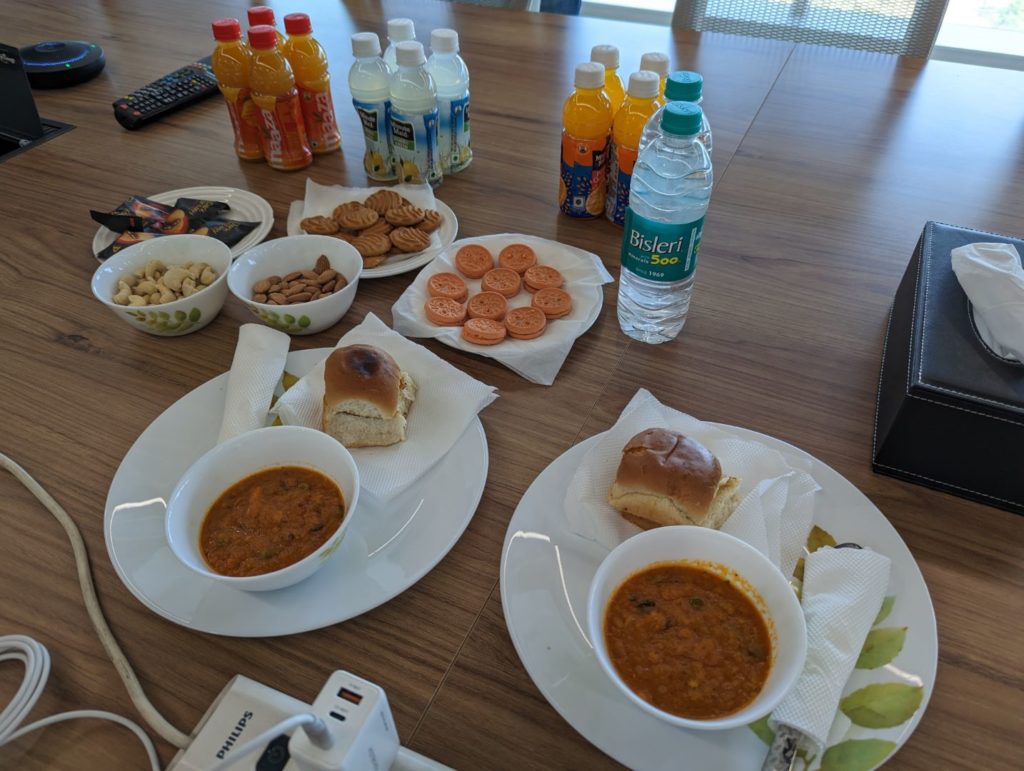
Perhaps it’s also typical of India that what’s offered as a “light snack” in the morning is quite heavy. It’s always something curry-like. No matter how many times I go, the spices and oil always mess with my stomach.
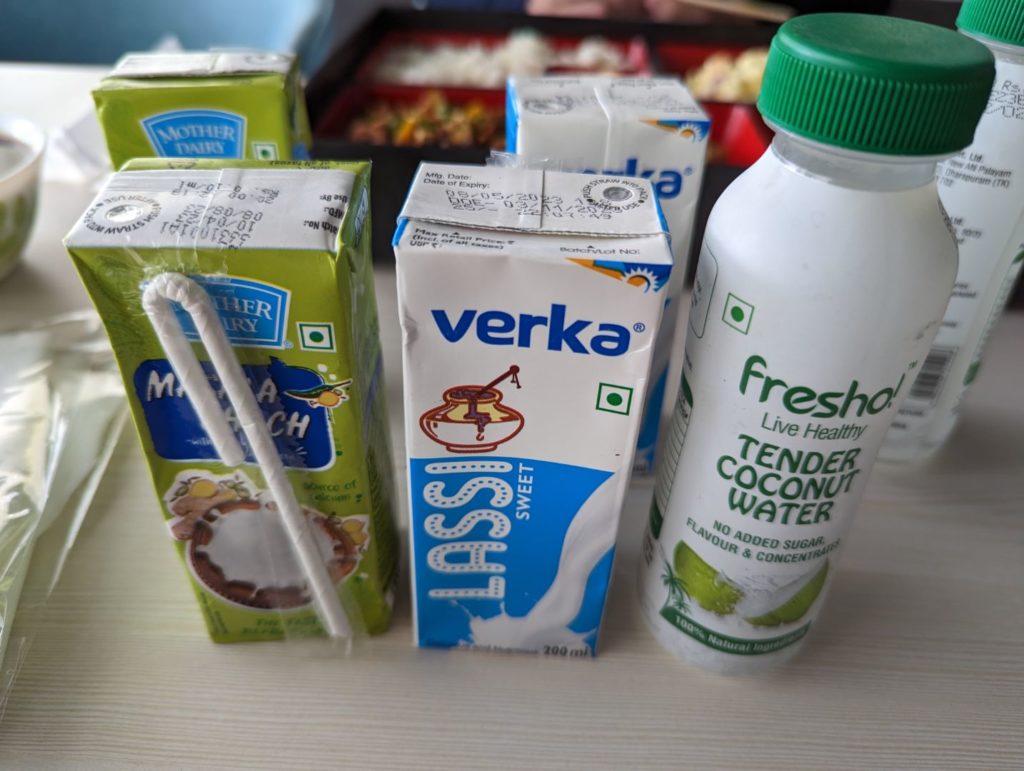
For lunch, they sometimes serve Japanese bento boxes, which actually surprised me by how normal it was. It seems they do it because I’m Japanese, but the locals always have curry. I wish they’d try various things; maybe they’re surprisingly conservative when it comes to food? The Tetra Pak lassi is delicious, but the coconut water on the right side was a bit meh… It wasn’t very sweet, had a slight sliminess, and while not exactly fishy, its lukewarm temperature and unique flavor just didn’t work for me (lol).
nasscom gcc conclave 2023
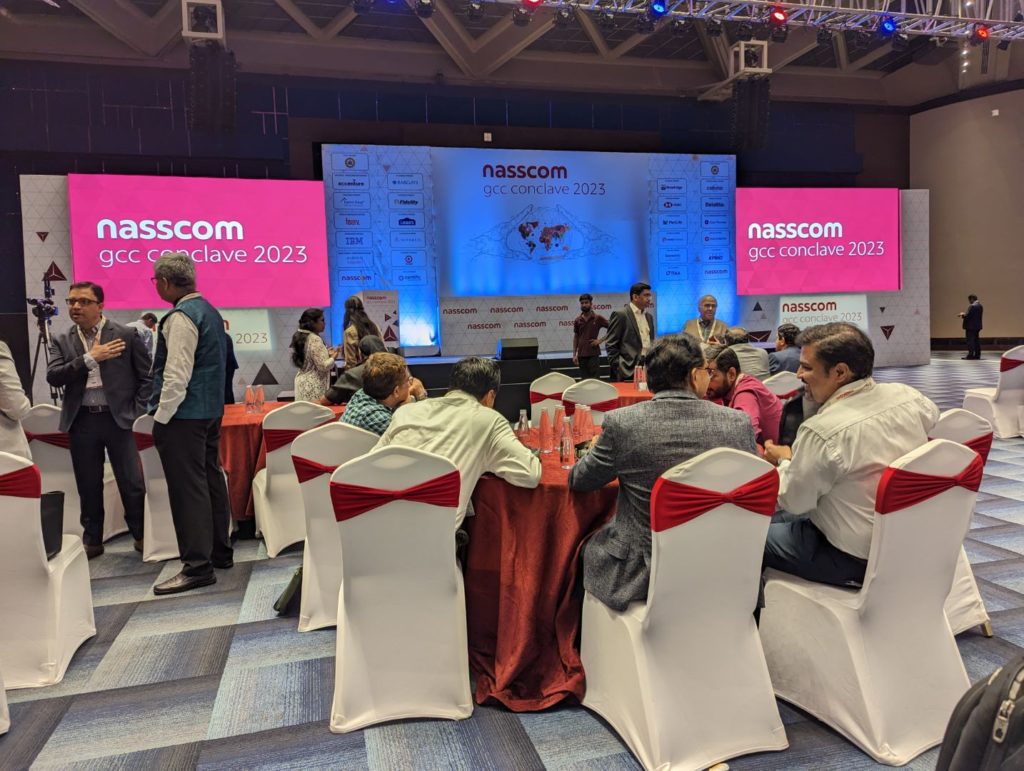
One of the purposes of my business trip to India was to attend the “gcc conclave 2023” held by nasscom, an IT industry association, in Bangalore. “GCC” stands for “global capability center,” and India has become a key player in global IT development and operations. The conclave aimed to further promote its utilization, covering various topics from case studies of challenges faced by headquarters and in India, their solutions, to teaming, HR, and cultural aspects. It was quite interesting.
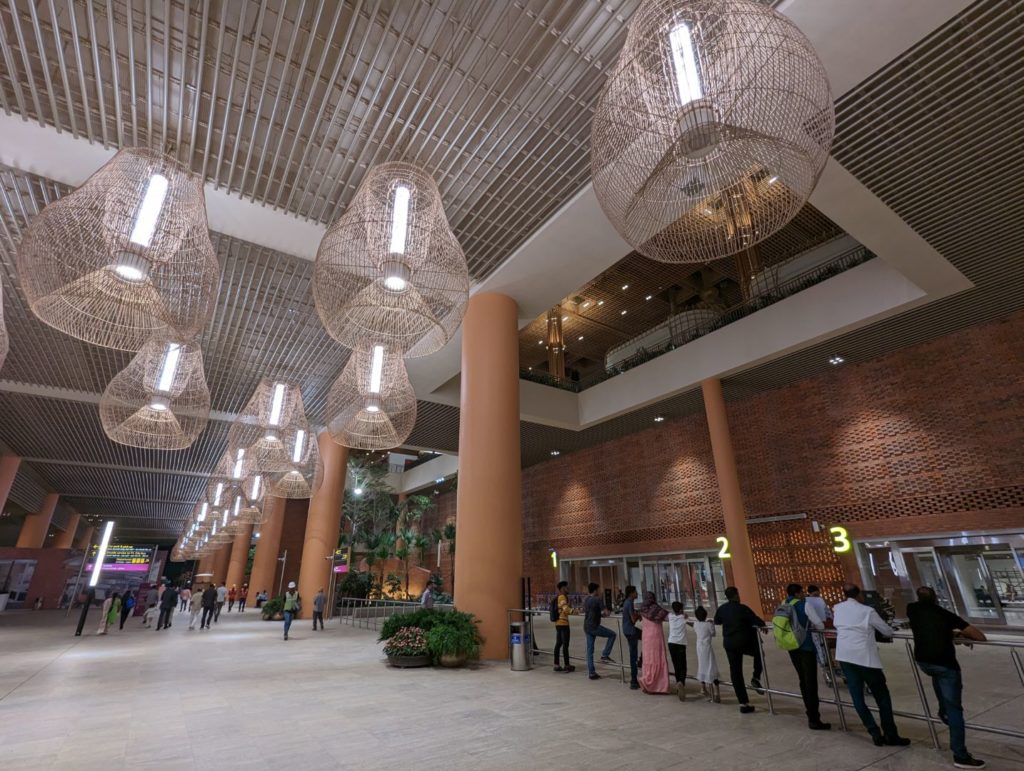
Speaking of Bangalore, the domestic terminal has been newly renovated this year, and I was surprised by how incredibly big and clean it is!
It seems more stylish souvenirs have appeared…
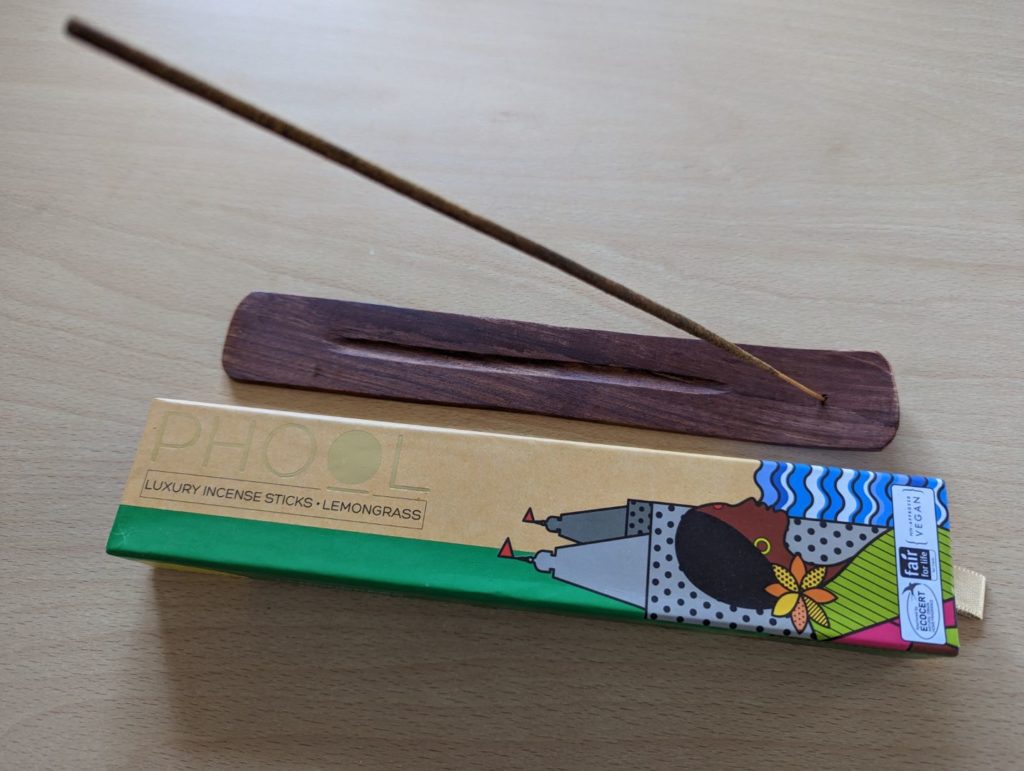
This time, I bought some lemongrass-scented incense sticks, and they’re quite stylish, making them seem like good small souvenirs. Before, for more expensive gifts, there might have been saris, but other than that, options felt limited to things like tea or elephant figurines. Now, I feel like I’m seeing more interesting items in the airport souvenir shops.


コメント