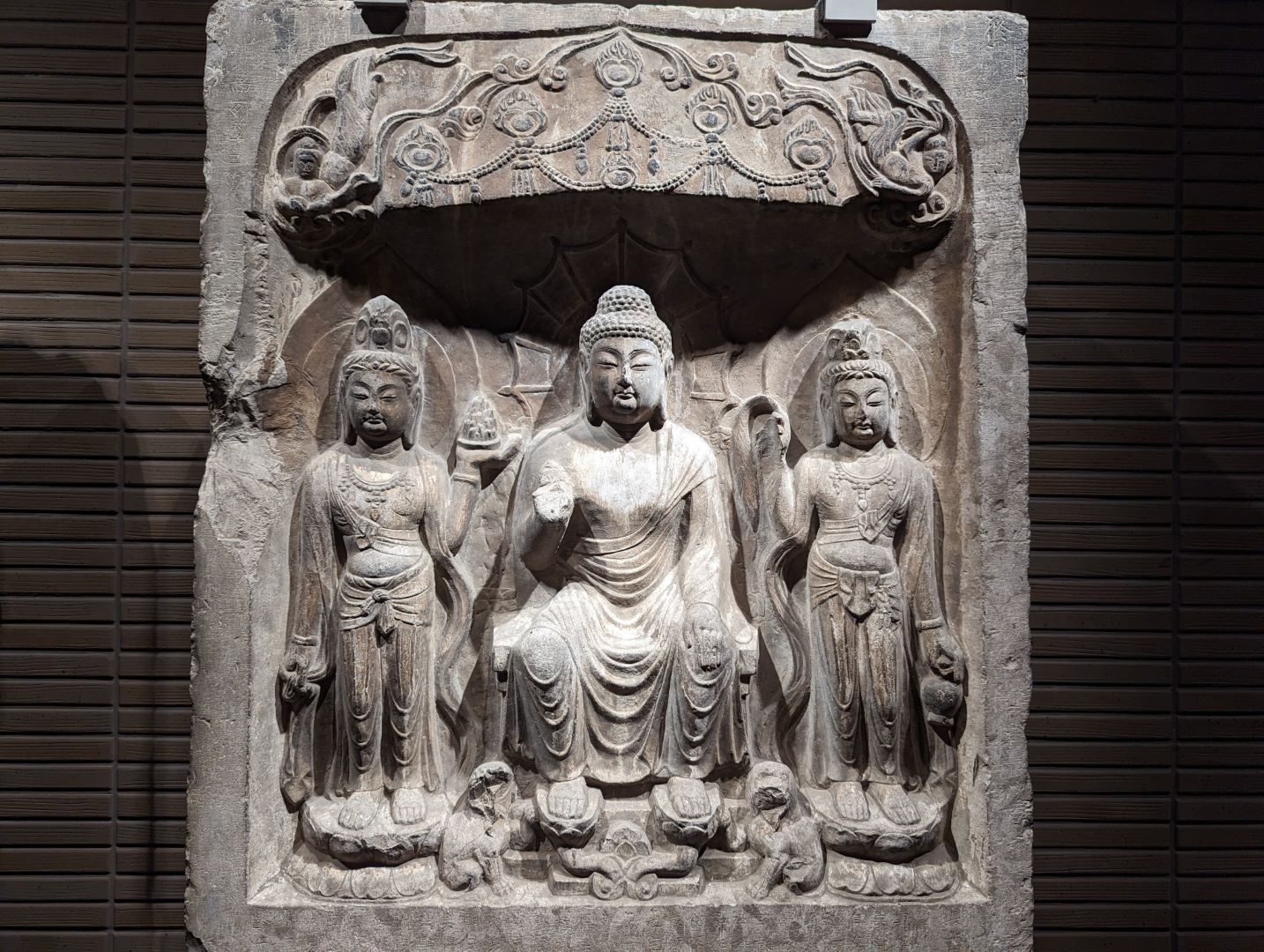
After visiting Koishikawa Botanical Garden, I was wondering what to do next when I suddenly remembered I wanted to see the Toyokan (Asian Gallery) at the Tokyo National Museum. It wasn’t too far, so I decided to take a leisurely stroll. Turns out, I could pass through the Yanaka area and also stop by Geidai (Tokyo University of the Arts), where the Gogeisai — re:stArt — festival was happening. I figured it would be fun, so I quickly left the botanical garden.
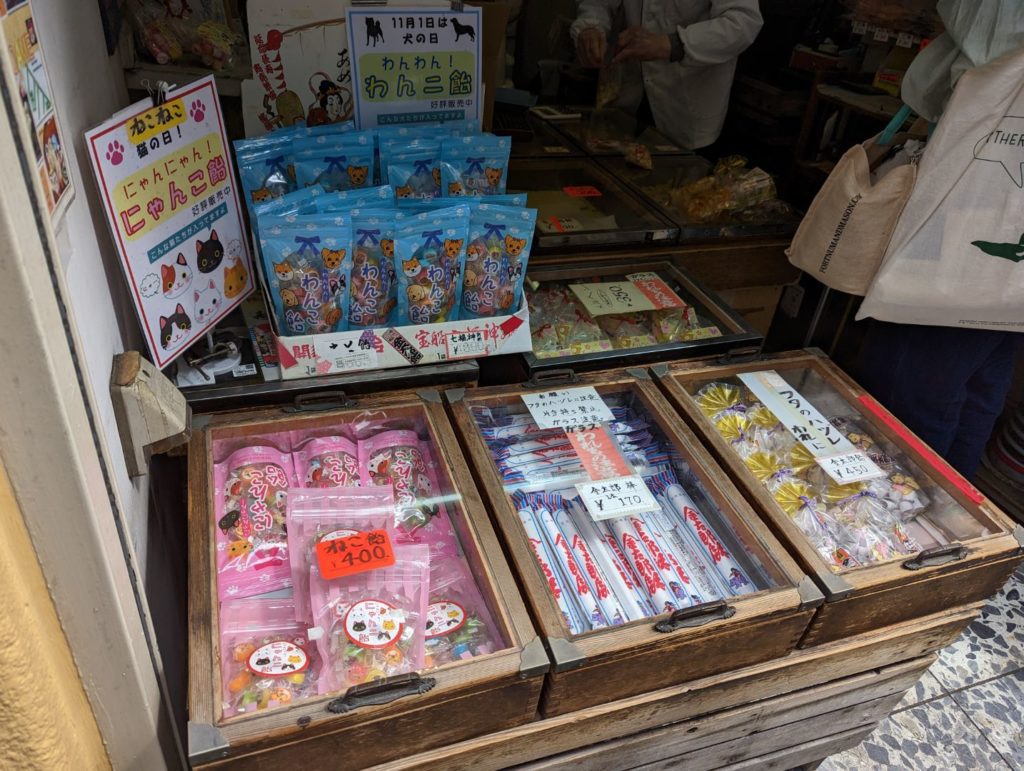
On the way, I found a Kintaro-ame candy shop. I wonder if this is the original one? Besides the typical Kintaro-ame, they also had dog-shaped (wanko-ame) and cat-shaped (neko-ame) candies, which really caught my eye.
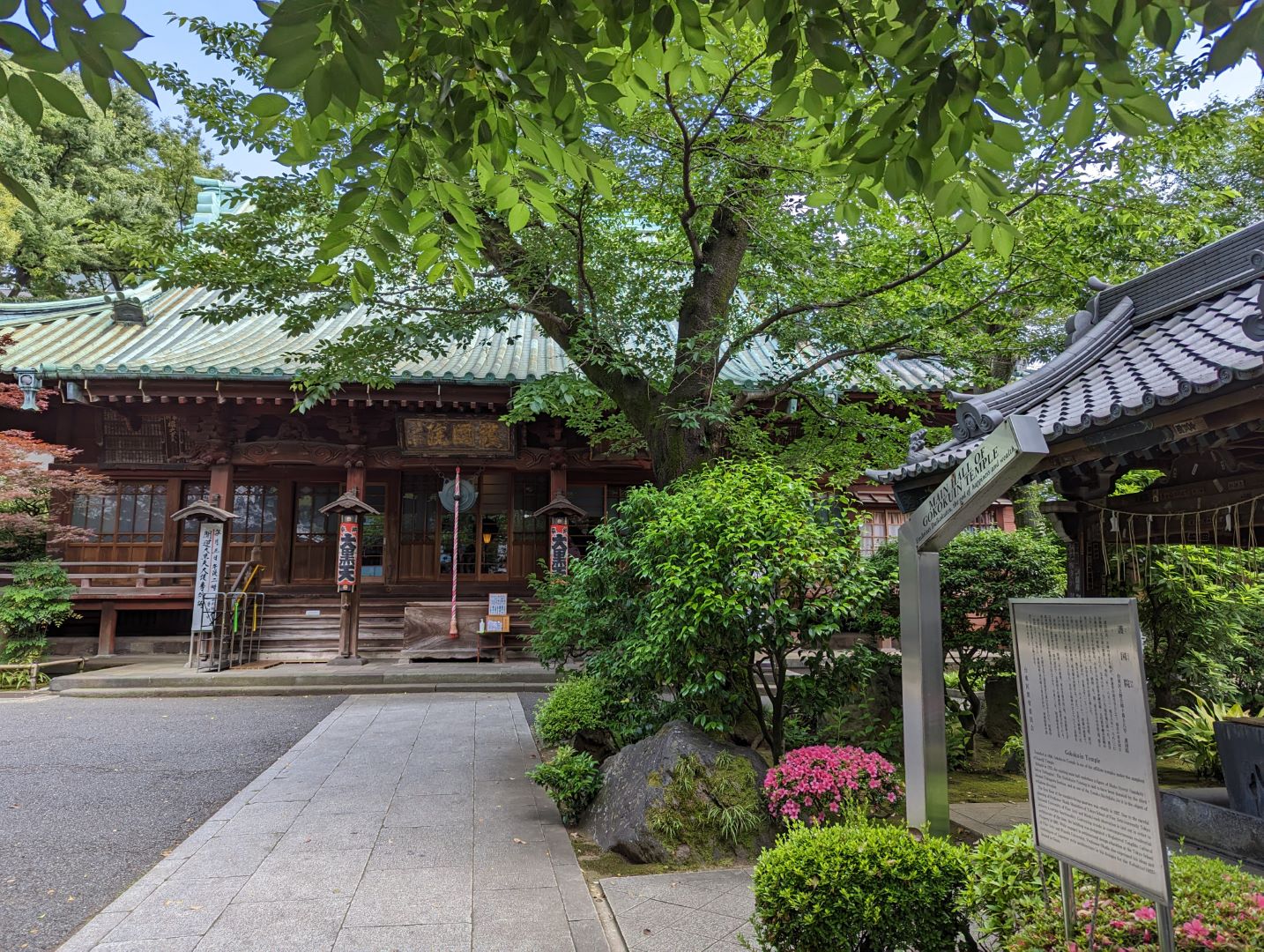

The temples around this area have such a nice atmosphere.
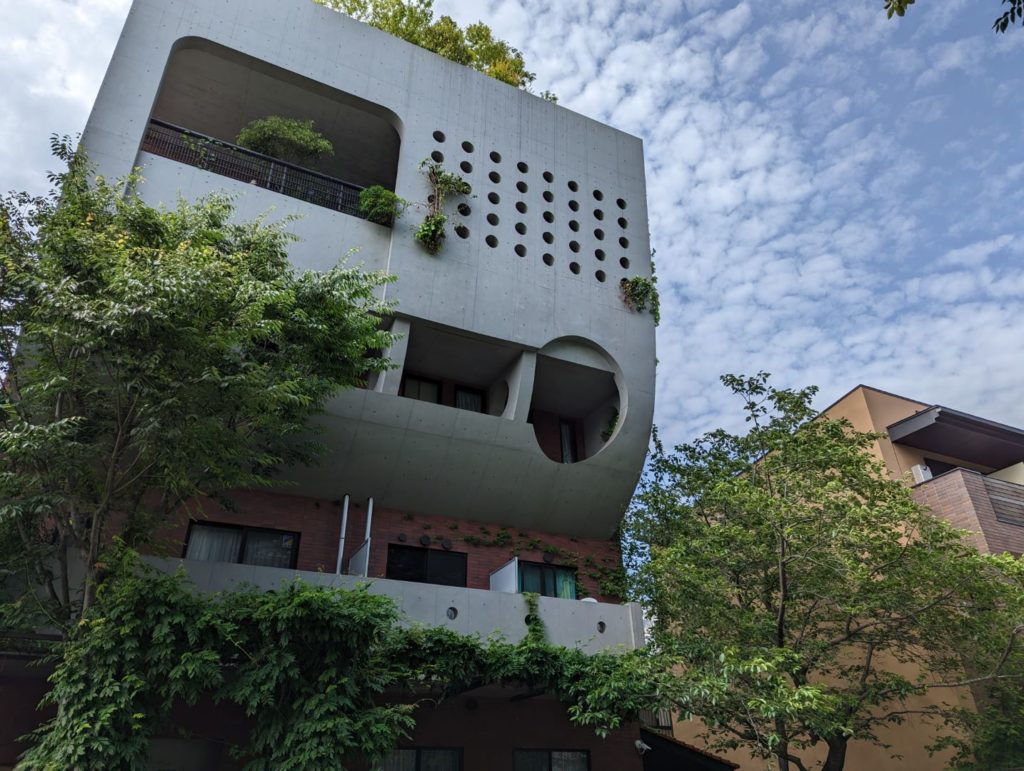
There were also some intriguing buildings scattered around.

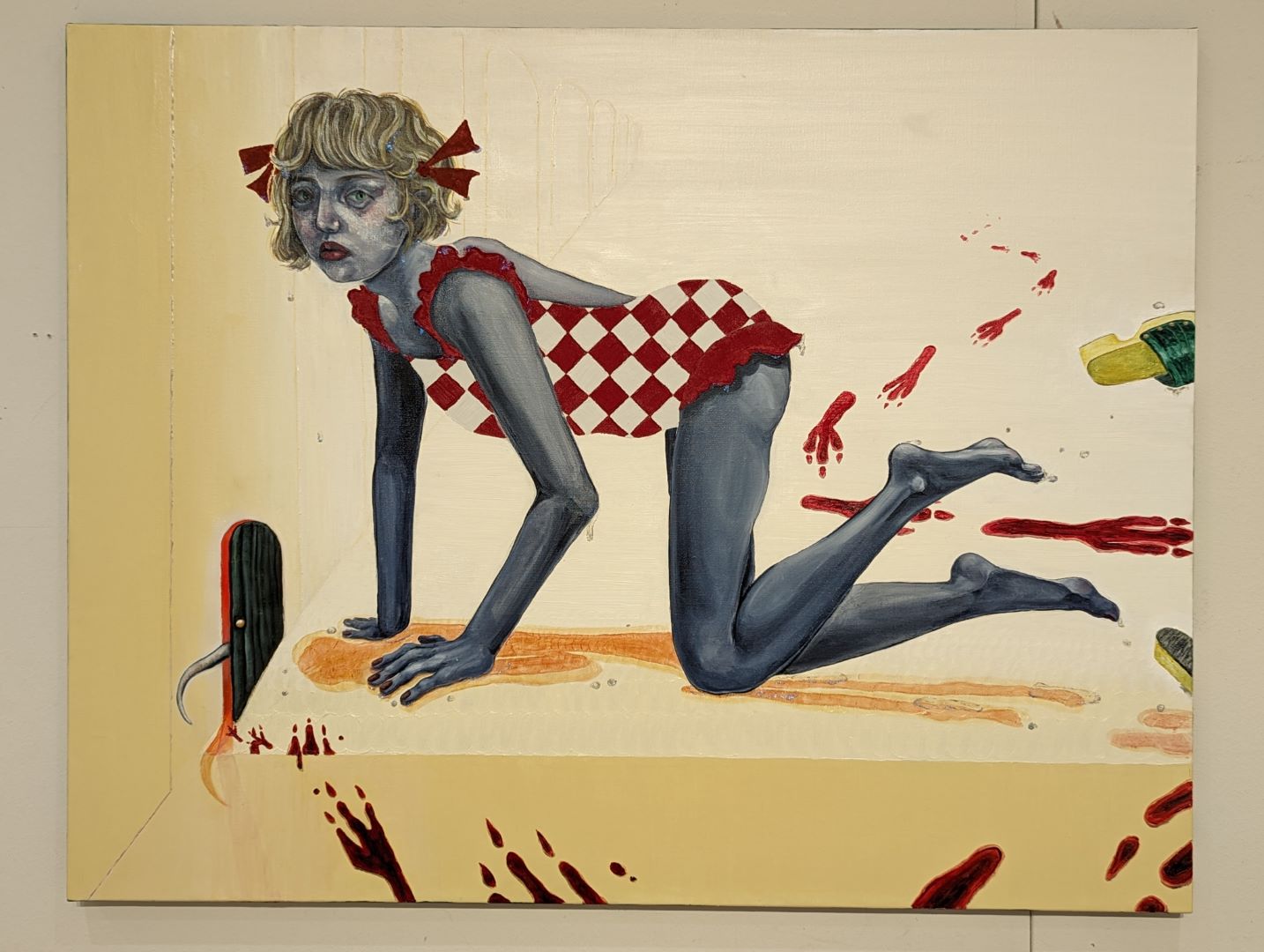
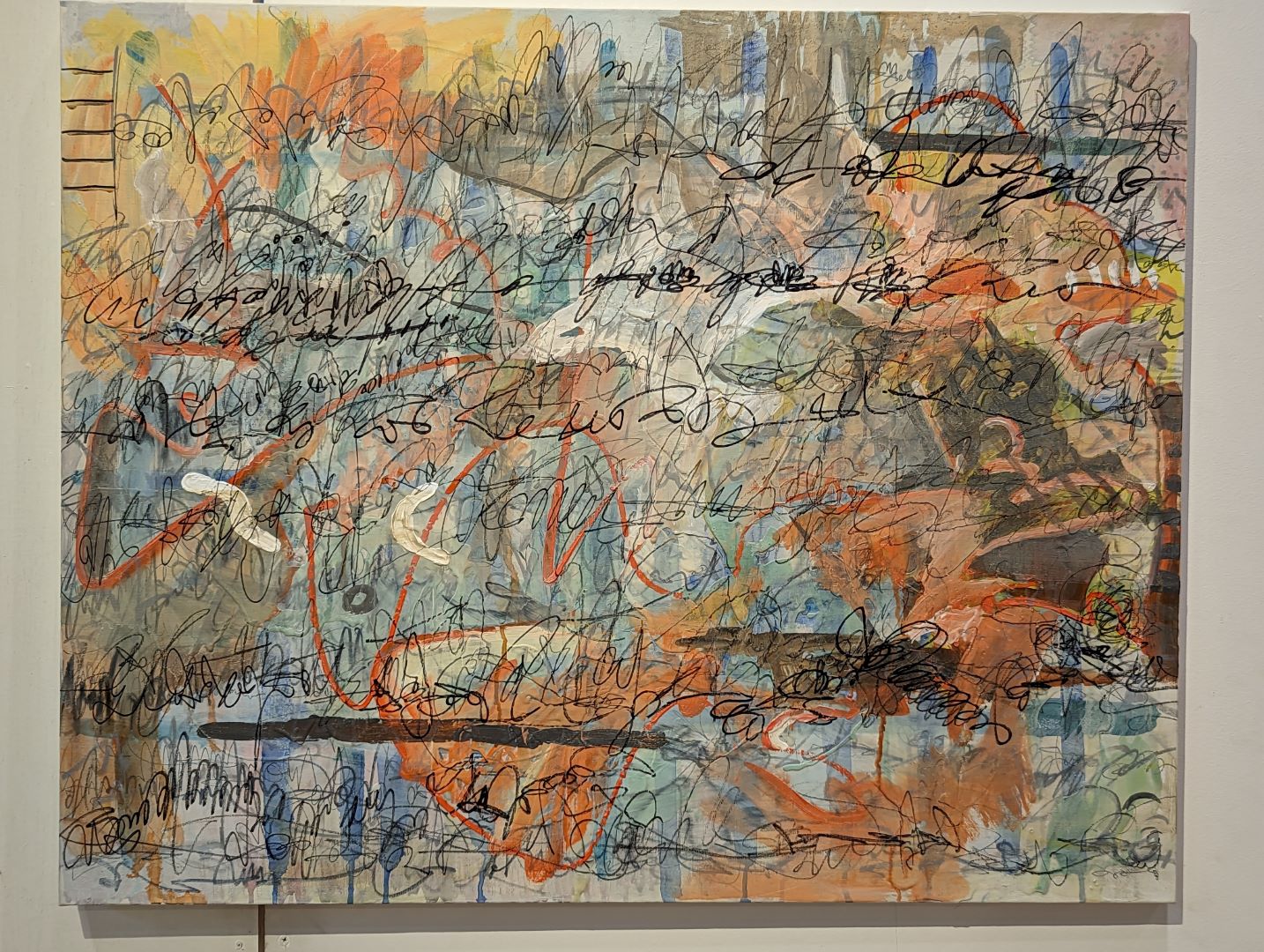
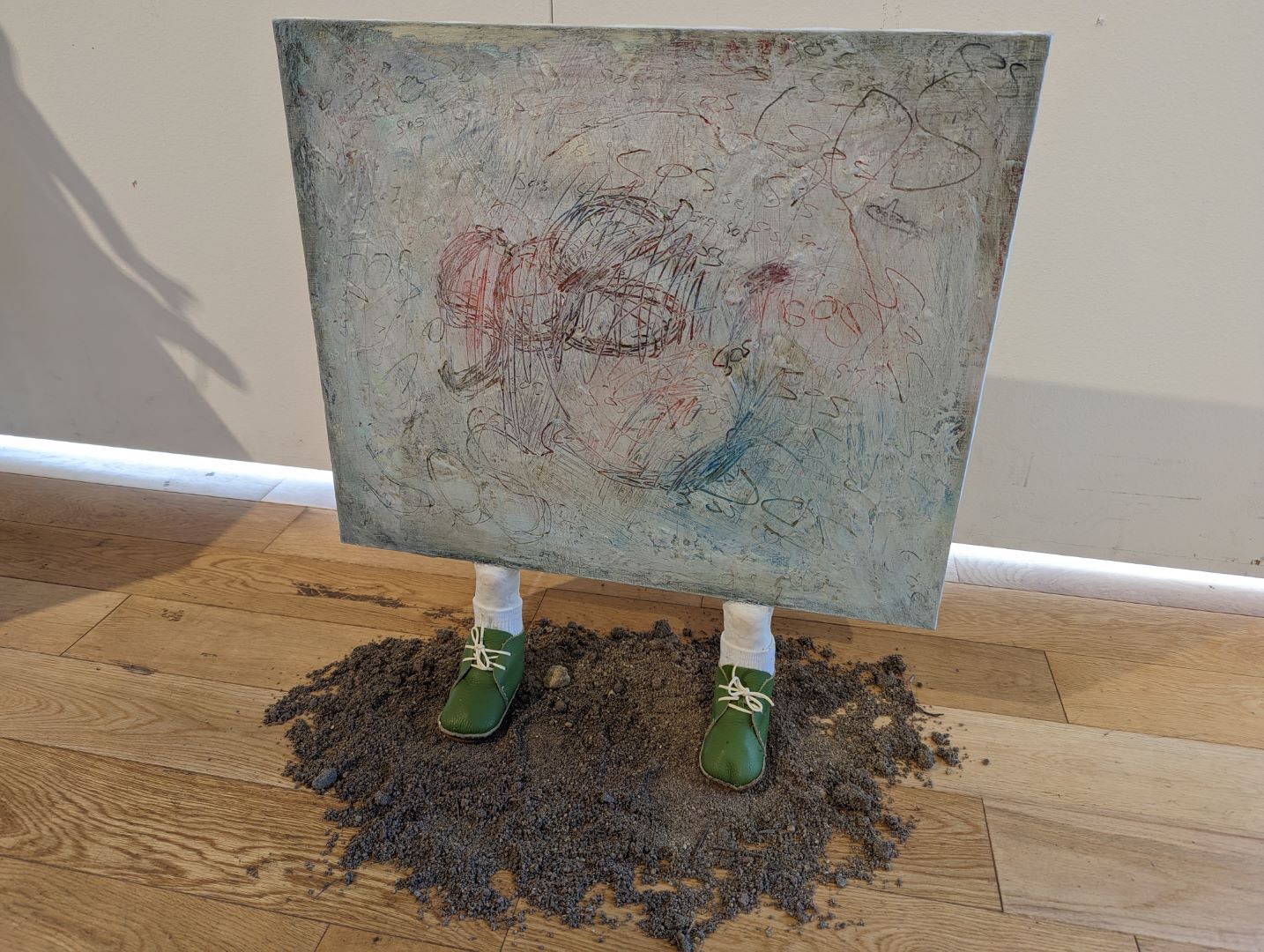
It was right before closing, so I couldn’t really take my time to look around, but thanks to the Gogeisai festival, I got to step onto the campus of Tokyo University of the Arts for the very first time. You don’t get opportunities like that very often! The only downside was that I couldn’t get into any of the music concerts. I think I’ll make sure to check the times more carefully for the autumn arts festival and come back then.
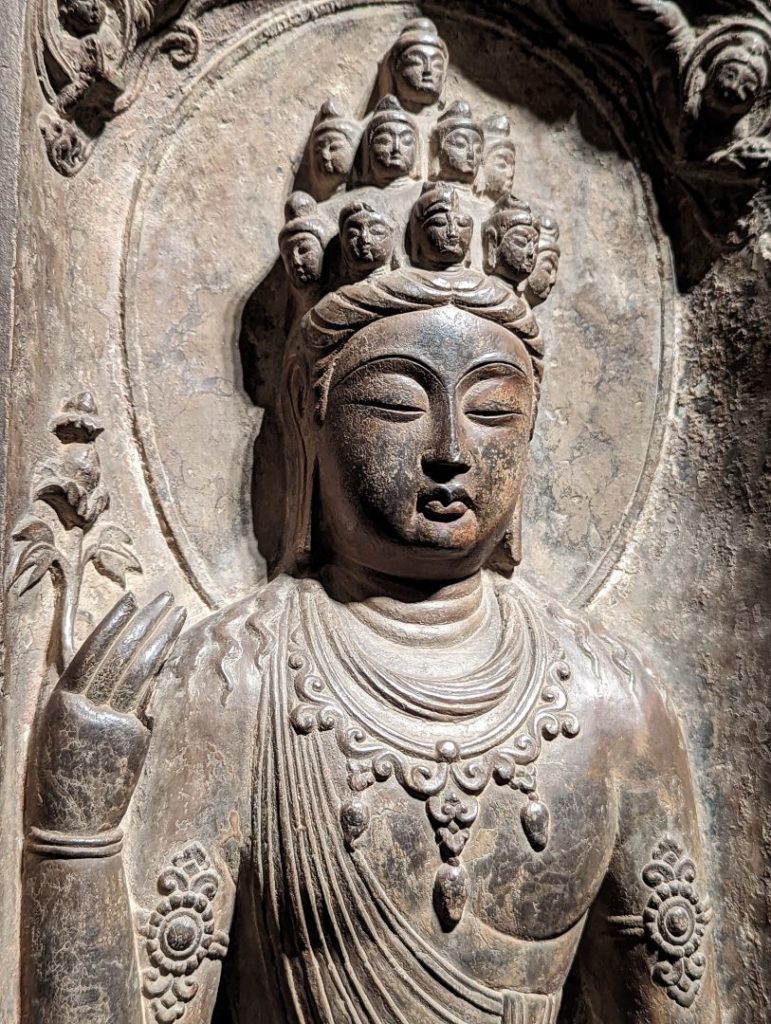
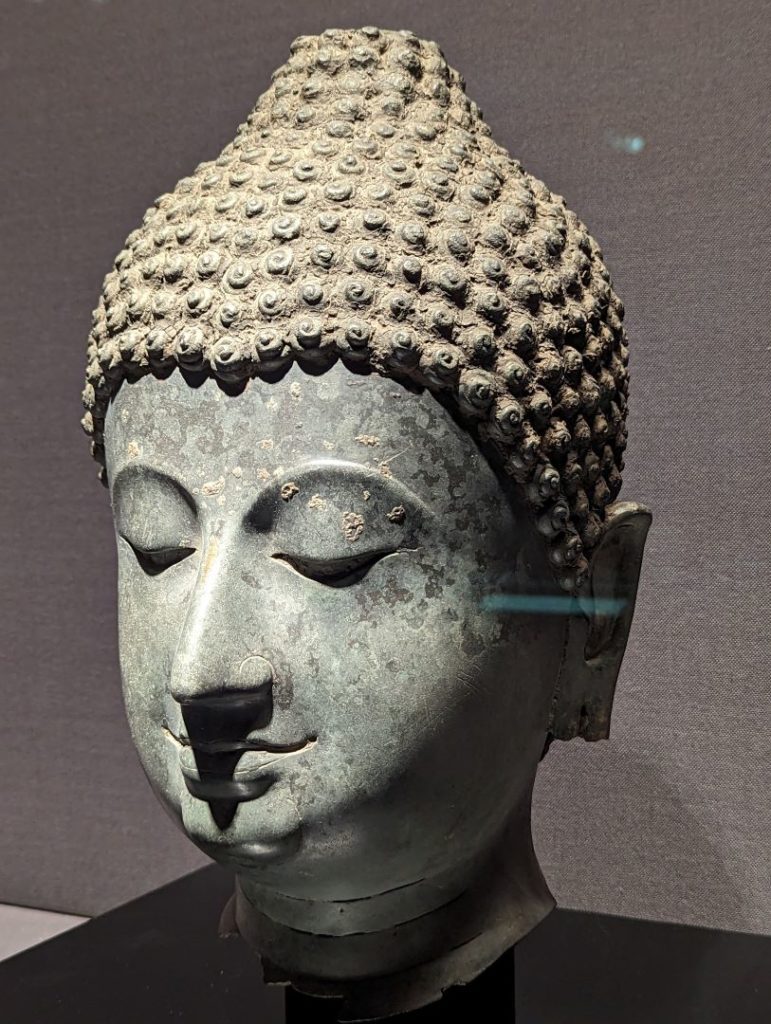
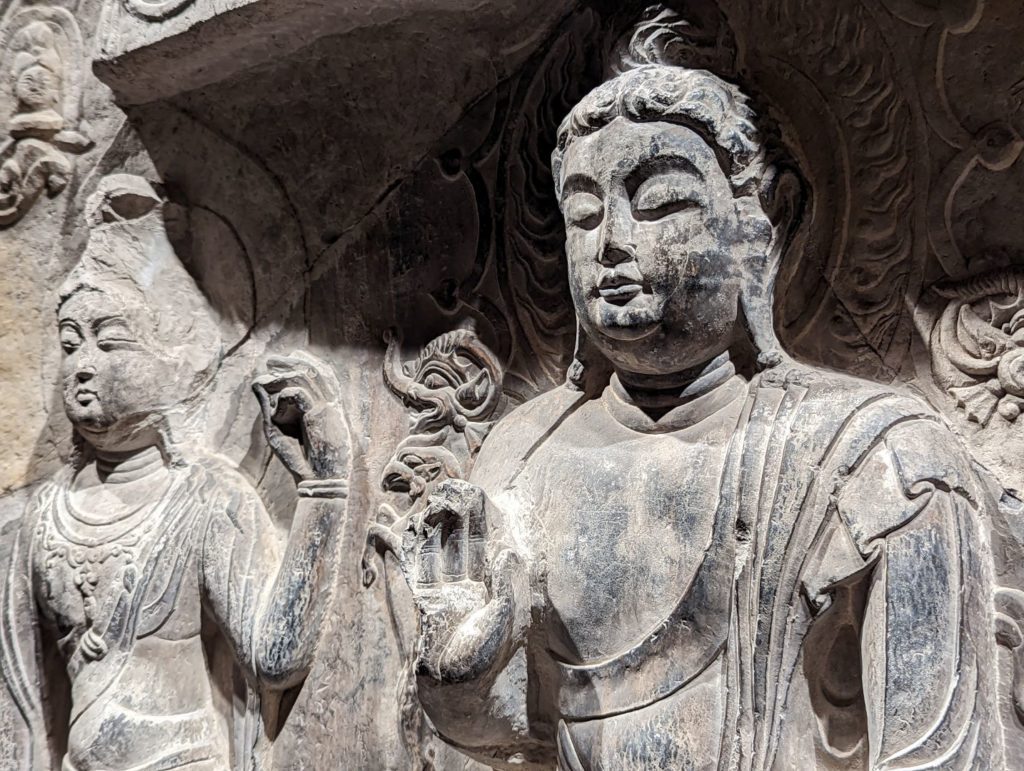
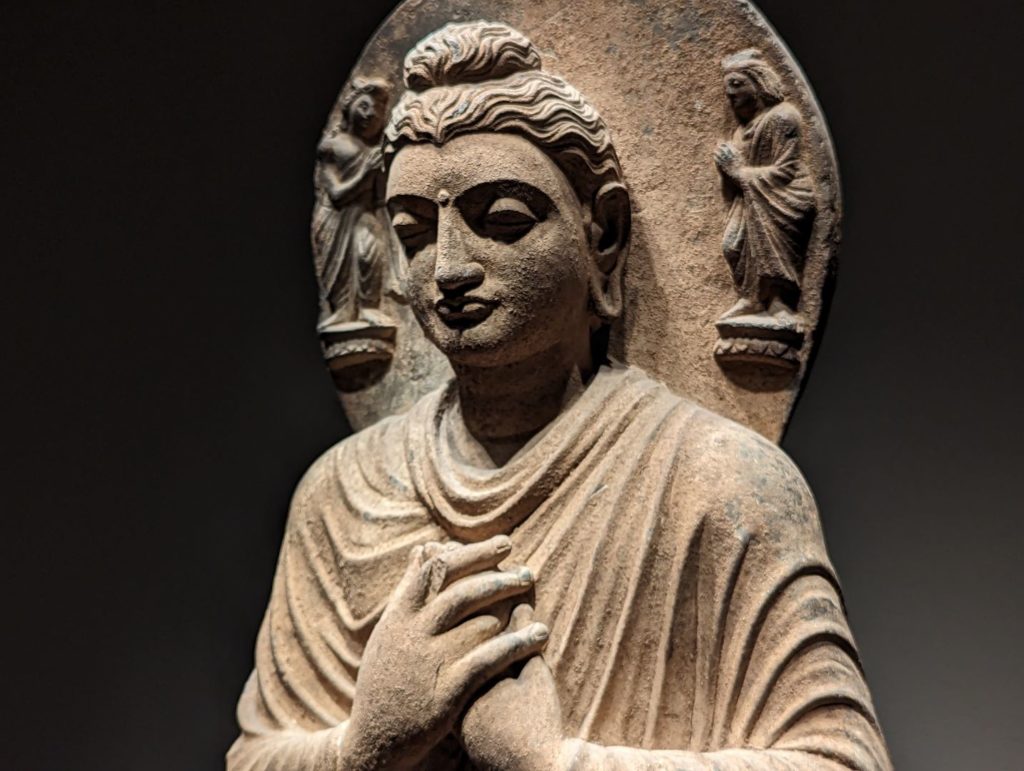
I usually go to almost every special exhibition at the Tokyo National Museum, which means I hardly ever pay attention to the permanent collections. But this time, I made my first visit to the permanent exhibition in the Toyokan (Asian Gallery). What I really wanted to see were the Chinese Buddhist statues on the 1st floor. The first image on the top left is the “Important Cultural Property: Eleven-headed Kannon Shrine (Baoqing Temple, Xi’an, Shaanxi Province, China; Tang Dynasty, 8th century)” which I had been so curious about after seeing it in photos. Both its expression and its graceful standing posture are truly magnificent. Plus, there was hardly anyone else there, so I could really take my time to admire it. What I found interesting was how different the expressions were compared to the Indian Gandhara Buddhist statues and Thai Buddhist statues displayed on the 2nd floor. I guess the ones in Japan came from China.

In the same Toyokan, there were also exhibitions of books, including some written in Tensho script. These kinds of characters always catch my eye, partly because of my old job, and Tensho, in particular, I find incredibly beautiful. All in all, it was a day filled with so much input!

コメント